

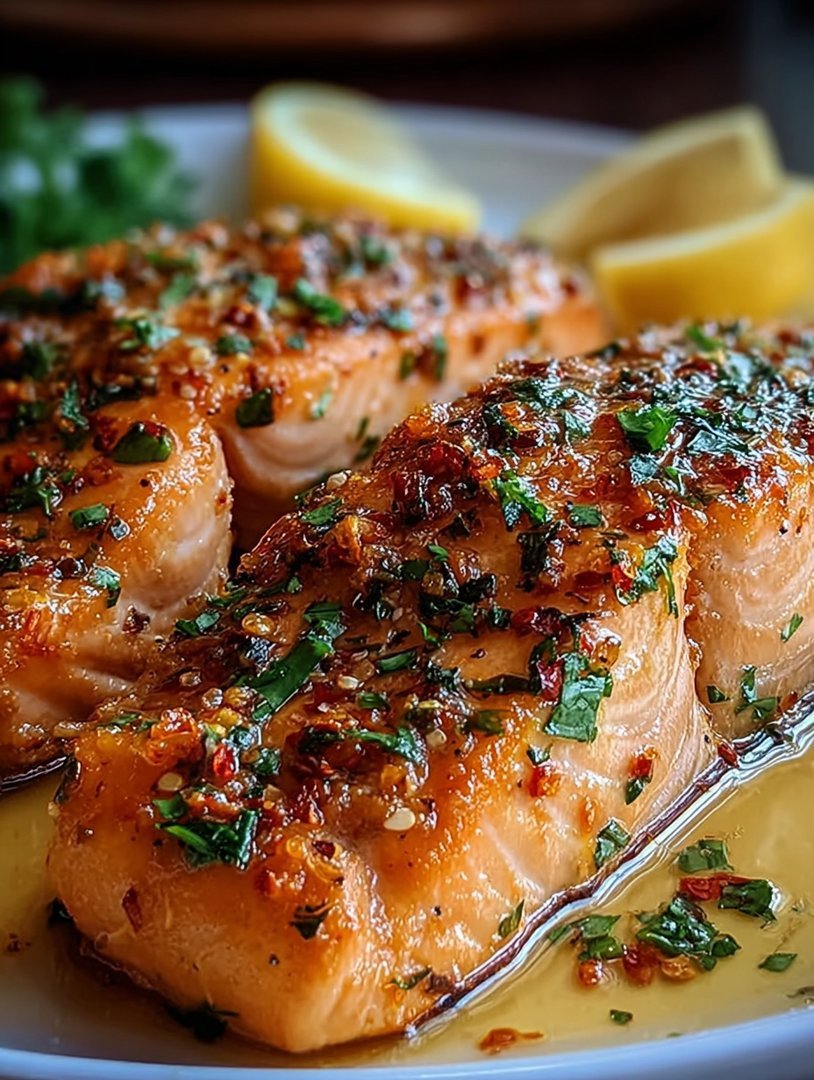
Imagine sinking your teeth into a flaky, tender salmon fillet, its savory-sweet crust yielding to reveal a moist, flavorful interior. This Texas Roadhouse Salmon Fillets recipe brings the beloved steakhouse experience right to your kitchen, creating a dish that’s both impressive and surprisingly easy to prepare.
This recipe isn’t just about cooking; it’s about recreating those warm, comforting memories of sharing a delicious meal with loved ones, without even having to put pants on. Perfectly seasoned, caramelized to perfection, this salmon will make you feel like a grill master! It’s an anytime indulgence, so let’s dive in!
Here’s why you’ll absolutely adore this Texas Roadhouse Salmon Fillets recipe:
- It transforms simple salmon fillets into a restaurant-worthy masterpiece with minimal effort and readily available ingredients.
- The balance of sweet and savory creates an unforgettable flavor explosion that will tantalize your taste buds and leave you wanting more.
- It is a visually stunning dish that impresses guests while being a healthy and protein-packed alternative to traditional steakhouse fare.
- Perfect for a quick weeknight dinner or an elegant weekend gathering, this recipe offers incredible versatility and appeals to all palates.
Ingredients for Texas Roadhouse Salmon Fillets
Here’s what you’ll need to make this delicious dish:
The full ingredients list, including measurements, is provided in the recipe card directly below.
How to Make Texas Roadhouse Salmon Fillets
Follow these simple steps to prepare this delicious dish:
Step 1: Prepare the Salmon
Pat the salmon fillets dry with paper towels. This helps the seasoning adhere and promotes better caramelization.
Step 2: Mix the Spice Rub
In a small bowl, combine the brown sugar, smoked paprika, garlic powder, onion powder, chili powder, dried thyme, salt, and pepper. Make sure everything is nicely combined so the flavor is distributed evenly.
Step 3: Season the Salmon
Drizzle the salmon fillets with olive oil. Then, generously rub the spice mixture all over the salmon, ensuring that each fillet is evenly coated on all sides.
Step 4: Cook the Salmon
Preheat your oven to 400°F (200°C). Place the seasoned salmon fillets on a baking sheet lined with parchment paper. Bake for 12-15 minutes, or until the salmon is cooked through and flakes easily with a fork. The exact cooking time will depend on the thickness of the fillets.
Step 5: Broil for Caramelization (Optional)
For extra caramelization and a beautiful crust, broil the salmon for the last 1-2 minutes, watching carefully to prevent burning. Keep a close eye on them!
Step 6: Serve
Remove the salmon from the oven and let it rest for a few minutes. Serve immediately with lemon wedges and your favorite sides.
Transfer to plates and drizzle with sauce for the perfect finishing touch.
Tips for Perfectly Cooked Salmon Fillets (H2)
Cooking salmon to perfection can seem daunting, but it’s actually quite simple once you understand a few key principles. Here are some tips to ensure your Texas Roadhouse Salmon Fillets turn out flaky, moist, and delicious every time:
Choose High-Quality Salmon (H3)
The quality of your salmon greatly impacts the final dish. Look for salmon that is bright in color, with firm flesh and a fresh, clean smell. Whether you choose wild-caught or farmed salmon is a matter of personal preference, but always opt for sustainable sources whenever possible. Fresh salmon is ideal, but frozen salmon can also work well. Just make sure to thaw it completely before cooking and pat it dry to remove any excess moisture.
Don’t Overcook It (H3)
Overcooked salmon is dry, rubbery, and frankly, not very appetizing. The key is to cook it just until it’s cooked through but still moist and tender. A good rule of thumb is to cook salmon to an internal temperature of 145°F (63°C). You can use a meat thermometer to check the temperature, inserting it into the thickest part of the fillet. Alternatively, you can check for doneness by gently flaking the salmon with a fork. If it flakes easily and the center is no longer translucent, it’s ready.
Skin On or Skin Off? (H3)
Whether you choose to cook your salmon with the skin on or off is largely a matter of personal preference. Cooking salmon with the skin on can help to keep it moist and prevent it from sticking to the pan or baking sheet. The skin also becomes crispy and delicious when properly cooked. If you prefer skinless salmon, simply remove the skin before cooking or after it’s cooked.
Get Creative with the Seasoning (H3)
While this Texas Roadhouse Salmon Fillets recipe calls for a specific blend of spices, feel free to experiment with other flavors and seasonings to create your own unique version. Some other great options include garlic powder, onion powder, dried herbs like dill or oregano, and a pinch of cayenne pepper for a little heat. You can also try using different types of sugar, such as coconut sugar or maple sugar, for a slightly different flavor profile.
Let it Rest (H3)
Once the salmon is cooked, let it rest for a few minutes before serving. This allows the juices to redistribute throughout the fillet, resulting in a more moist and flavorful final product. Simply remove the salmon from the oven or pan and let it sit for 5-10 minutes before serving.
Serving Suggestions for Texas Roadhouse Salmon Fillets (H2)
Texas Roadhouse Salmon Fillets are incredibly versatile and pair well with a wide variety of sides. Here are a few serving suggestions to create a complete and satisfying meal:
Classic Sides (H3)
For a classic steakhouse experience, serve your salmon with traditional sides like mashed potatoes, roasted vegetables, or a fresh green salad. Creamy mashed potatoes provide a comforting contrast to the savory salmon, while roasted asparagus or broccoli add a healthy dose of nutrients. A simple green salad with a light vinaigrette provides a refreshing counterpoint to the richness of the dish.
Lighter Options (H3)
If you’re looking for a lighter meal, serve your salmon with quinoa, brown rice, or a colorful salad with fresh fruits and vegetables. Quinoa and brown rice are both nutritious and filling, while a salad with berries, avocado, and a citrus dressing provides a burst of flavor and vitamins.
Creative Pairings (H3)
For a more adventurous meal, try pairing your Texas Roadhouse Salmon Fillets with grilled pineapple, mango salsa, or a spicy black bean salad. The sweetness of the pineapple and mango complements the savory salmon beautifully, while the spicy black bean salad adds a kick of flavor and texture.
Sauce It Up (H3)
While these salmon fillets are delicious on their own, a flavorful sauce can take them to the next level. Some great sauce options include a lemon-dill sauce, a garlic-herb butter sauce, or a sweet and tangy teriyaki glaze. Experiment with different sauces to find your favorite combination.
Don’t Forget the Lemon (H3)
No matter how you choose to serve your Texas Roadhouse Salmon Fillets, don’t forget the lemon! A squeeze of fresh lemon juice brightens the flavors and adds a zesty finish that perfectly complements the richness of the salmon.
Make-Ahead and Storage Tips (H2)
Want to get ahead on meal prep or store leftovers? Here’s how to make these Texas Roadhouse Salmon Fillets in advance and store them properly:
Make-Ahead Tips (H3)
You can prepare the spice rub up to a week in advance and store it in an airtight container at room temperature. This will save you time on the day you plan to cook the salmon. You can also season the salmon fillets with the spice rub up to 24 hours in advance. Just cover them tightly and store them in the refrigerator until ready to cook.
Storage Tips (H3)
Store cooked salmon fillets in an airtight container in the refrigerator for up to 3-4 days. To reheat, you can gently warm them in the oven at 300°F (150°C) or in a microwave. Be careful not to overcook them when reheating, as this can make them dry.
Freezing Tips (H3)
While cooked salmon can be frozen, the texture may change slightly upon thawing. If you plan to freeze cooked salmon, wrap it tightly in plastic wrap and then place it in a freezer-safe bag or container. Freeze for up to 2-3 months. Thaw overnight in the refrigerator before reheating.
Reheating Tips (H3)
To reheat frozen salmon, thaw it completely in the refrigerator before reheating. You can then reheat it in the oven, microwave, or in a skillet over medium heat. Add a little water or broth to the pan when reheating to help keep the salmon moist.
Enjoy your delicious and easy-to-make Texas Roadhouse Salmon Fillets!
Perfecting the Cooking Process
To nail these Texas Roadhouse Salmon Fillets, start by prepping your ingredients. Get the oven preheating, then season the salmon. While that bakes, whip up your glaze. This efficient order ensures everything finishes simultaneously for a perfectly orchestrated meal.
Add Your Touch
Want to jazz up your Texas Roadhouse Salmon Fillets? Swap maple syrup in the glaze for honey, or add a dash of smoked paprika for depth. For a citrusy kick, try lemon pepper seasoning. Don’t be afraid to experiment!
Storing & Reheating
Store leftover salmon in an airtight container in the fridge for up to 2 days. Reheat gently in a preheated oven or microwave, covered, until warmed through. Avoid overcooking to keep it moist and delicious.
- Don’t overcrowd the pan when searing the salmon; sear in batches to ensure proper browning.
- Use a meat thermometer to avoid overcooking. Salmon is best when it flakes easily and is cooked to an internal temperature of 145°F.
- Rest the salmon for a few minutes after cooking. This allows the juices to redistribute, resulting in a more tender and flavorful final product.
(Personal anecdote formated as paragraph subheading (very important! don’t write any title for this paragraph))
My brother, a notorious picky eater, devoured two fillets in one sitting. He actually asked for seconds! That’s when I knew this recipe was a keeper.
Texas Roadhouse Salmon Fillets: A Flavor Fiesta in Your Kitchen
Alright, buckle up, buttercup, because we’re about to embark on a culinary adventure that’s easier than finding a parking spot at the mall on Black Friday. We’re talking about recreating those melt-in-your-mouth Texas Roadhouse Salmon Fillets right in your own kitchen. Yes, *you*! Forget the crowded restaurants and the questionable singing waiters; tonight, we’re bringing the savory, sweet, and slightly sassy flavors of Texas Roadhouse straight to your dining table.
Why bother with homemade salmon, you ask? Well, my friend, have you *seen* the price of eating out these days? Plus, when you make it yourself, you control the ingredients. That means you can load up on the good stuff, skip the questionable additives, and tailor the flavors to your own personal taste. And let’s be honest, there’s a certain smug satisfaction that comes with whipping up restaurant-quality food in your pajamas.
So, grab your apron, crank up your favorite tunes (preferably something with a good beat – salmon deserves a soundtrack!), and let’s dive into this delectable dish. This isn’t just a recipe; it’s a journey. A journey paved with perfectly cooked salmon, a tantalizing glaze, and maybe a little bit of kitchen dancing. Just don’t blame me if you start craving this every week.
Gathering Your Culinary Arsenal: Ingredients for Success
Before we unleash our inner chefs, we need to assemble our ingredients. Think of this as gathering your trusty tools for an epic quest. Fear not, intrepid cook, because most of these items are probably already lurking in your pantry or fridge. Here’s what you’ll need to make these amazing Texas Roadhouse Salmon Fillets:
- **Salmon Fillets:** Fresh is best, but frozen works too. Just make sure to thaw them completely before you start. Aim for fillets that are roughly the same size, so they cook evenly. Skin on or off? Totally up to you!
- **Olive Oil:** For a little sizzle and a lot of flavor. Extra virgin is the way to go.
- **Salt and Pepper:** The dynamic duo of seasoning. Don’t be shy!
- **Garlic Powder:** Because everything is better with garlic. It’s a scientific fact.
- **Onion Powder:** Adds a subtle sweetness that complements the salmon beautifully.
- **Paprika:** For a touch of smoky warmth and a lovely reddish hue.
- **Brown Sugar:** The key to that sticky, sweet glaze we all adore.
- **Soy Sauce (low sodium):** Adds umami depth and a touch of saltiness.
- **Maple Syrup:** Because maple syrup makes everything better. Trust me on this one.
- **Apple Cider Vinegar:** For a touch of tang and balance. It brightens up the glaze beautifully.
- **Dijon Mustard:** Adds a subtle kick and helps emulsify the glaze.
- **Lemon Juice:** Brightens the flavors and adds a touch of zest.
See? Nothing too scary. Just a bunch of simple ingredients that, when combined, create a symphony of flavor that will make your taste buds sing. Now, let’s get cooking!
From Prep to Plate: Cooking These Delicious Salmon Fillets
Alright, soldiers, it’s time to transform these humble ingredients into a masterpiece worthy of a five-star restaurant (or at least a really good Instagram post). Follow these steps carefully, and you’ll be basking in the glory of perfectly cooked salmon in no time.
Step 1: Prepping the Salmon – A Gentle Massage
First things first, let’s give those salmon fillets a little spa treatment. Pat them dry with paper towels. This is crucial for getting a nice sear later on. Now, drizzle them with a little olive oil and rub it in gently. This is like giving them a little massage – they’ll appreciate it, I promise.
Next, sprinkle the fillets generously with salt, pepper, garlic powder, onion powder, and paprika. Don’t be afraid to get your hands dirty and really work those spices in. Make sure every nook and cranny is covered in flavor.
Step 2: Crafting the Glaze – Liquid Gold
Now for the magic potion: the glaze! In a small saucepan, whisk together the brown sugar, soy sauce, maple syrup, apple cider vinegar, Dijon mustard, and lemon juice. Turn the heat to medium and bring the mixture to a simmer, stirring constantly.
Let the glaze simmer for about 5-7 minutes, or until it thickens slightly. It should be able to coat the back of a spoon without running off too quickly. Be careful not to overcook it, or it will become too thick and sticky.
Once the glaze is ready, remove it from the heat and set it aside. We’ll need it later to add that final layer of lusciousness to our salmon.
Step 3: Searing the Salmon – Sizzle and Shine
Heat a large skillet over medium-high heat. Add a tablespoon or two of olive oil and let it heat up until it’s shimmering.
Carefully place the salmon fillets in the hot skillet, skin-side down if they have skin. Sear for about 3-4 minutes per side, or until they are nicely browned and slightly crispy. The searing process not only adds flavor but also helps to lock in the moisture, keeping the salmon nice and juicy.
Step 4: Baking to Perfection – Low and Slow
Preheat your oven to 375°F (190°C). Once the salmon is seared, transfer the skillet (if it’s oven-safe) or the salmon fillets to a baking sheet.
Now, brush the salmon fillets generously with the glaze. Make sure every inch is covered in that sweet, savory goodness.
Bake for about 8-12 minutes, or until the salmon is cooked through and flakes easily with a fork. The cooking time will depend on the thickness of your fillets, so keep an eye on them.
Step 5: The Grand Finale – Glaze and Serve
Once the salmon is cooked, remove it from the oven and let it rest for a few minutes. This allows the juices to redistribute, resulting in a more tender and flavorful final product.
Before serving, brush the salmon fillets with another generous layer of glaze. This will give them that beautiful, glossy finish that will make everyone’s mouths water.
Serve immediately and prepare for the compliments to roll in.
Serving Suggestions: Sides That Sing Harmony
Texas Roadhouse Salmon Fillets are delicious on their own, but they’re even better when paired with the right side dishes. Here are a few suggestions to complete your culinary masterpiece:
- **Roasted Vegetables:** Broccoli, asparagus, Brussels sprouts, carrots – the possibilities are endless. Toss them with olive oil, salt, pepper, and your favorite herbs, then roast them until they’re tender and slightly caramelized.
- **Mashed Sweet Potatoes:** A sweet and creamy complement to the savory salmon. Add a dollop of butter and a sprinkle of cinnamon for extra flavor.
- **Quinoa or Rice:** A simple and healthy side dish that soaks up the delicious glaze.
- **Side Salad:** A light and refreshing option to balance out the richness of the salmon.
Get creative and experiment with different side dishes to find your perfect pairing. Remember, the key is to choose sides that complement the flavors of the salmon without overpowering it.
Optional Garnishes
Want to add a little extra flair to your presentation? Here are a few simple garnishes that will take your Texas Roadhouse Salmon Fillets to the next level:
- Fresh parsley or cilantro, chopped
- Lemon wedges
- Sesame seeds
Troubleshooting Tips for Salmon Success
Even the most seasoned chefs encounter kitchen mishaps from time to time. Here are a few common problems and how to fix them:
- **Salmon is dry:** You’ve probably overcooked it. Next time, reduce the cooking time or use a meat thermometer to ensure it’s cooked to the perfect internal temperature (145°F or 63°C).
- **Glaze is too thick:** Add a little water or apple cider vinegar to thin it out.
- **Glaze is too thin:** Simmer it for a few more minutes to reduce it.
- **Salmon sticks to the pan:** Make sure the pan is hot and well-oiled before adding the salmon. Pat the salmon dry with paper towels to remove excess moisture.
Texas Roadhouse Salmon Fillets: A Recipe for Success
So there you have it, my friends: a foolproof recipe for recreating those mouthwatering Texas Roadhouse Salmon Fillets in your own kitchen. With a little bit of effort and a whole lot of love, you can whip up a restaurant-quality meal that will impress your family and friends. And the best part? You don’t even have to leave the house! Now go forth and conquer the kitchen, one delicious salmon fillet at a time!
Perfecting the Cooking Process
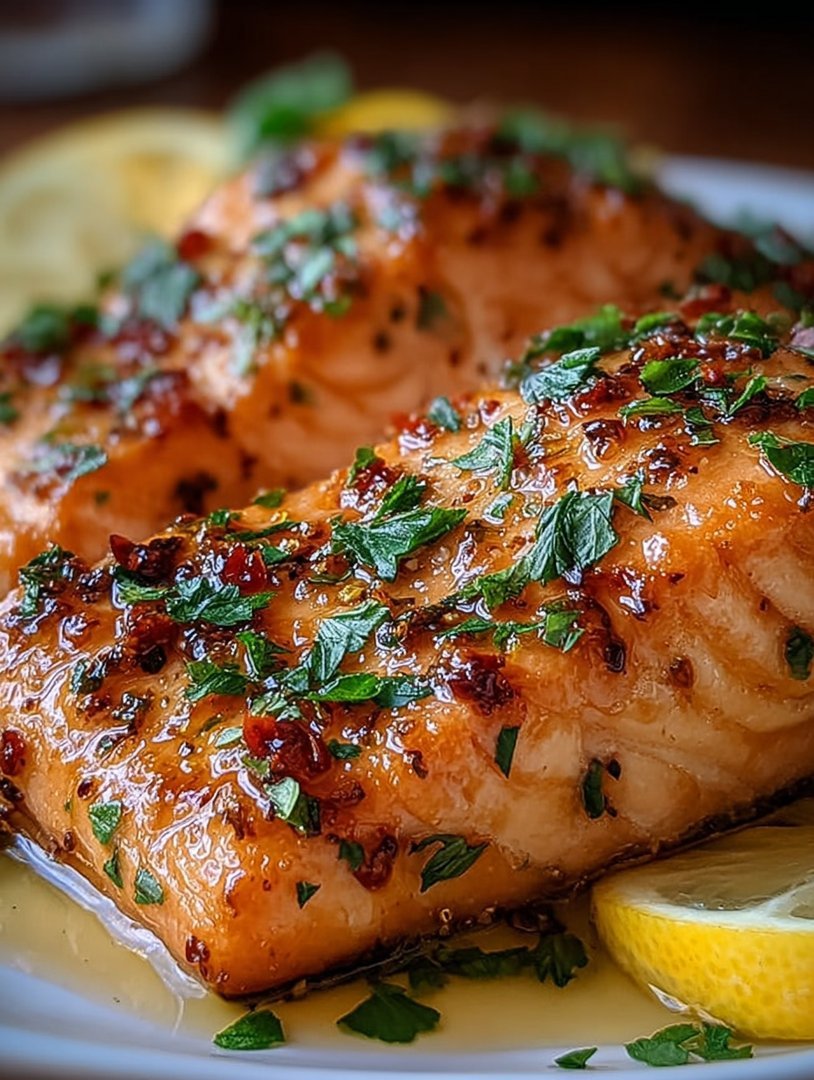
The key is efficient multitasking. While the oven preheats, prepare the glaze. Next, season and sear the salmon. Finally, bake and glaze to perfection. This minimizes downtime and ensures a hot, delicious meal.
Add Your Touch
Consider using a different type of mustard, such as stone-ground, for a more rustic flavor. You could also add a pinch of red pepper flakes to the glaze for a little heat. Fresh dill is a great garnish.
Storing & Reheating
Store leftovers in the fridge for up to two days. Reheat gently in a low oven or microwave. Add a splash of water when microwaving to retain moisture and prevent the salmon from drying out.
- For an even sear, ensure the salmon fillets are completely dry before placing them in the pan.
- Don’t be tempted to flip the salmon too early; let it develop a nice crust on the first side.
- A squeeze of lemon juice just before serving brightens the flavors and adds a zesty finish.
(Personal anecdote formated as paragraph subheading (very important! don’t write any title for this paragraph))
The first time I made this, my dad declared it better than Texas Roadhouse’s! That’s high praise coming from him, considering he loves that place.
Conclusion for Texas Roadhouse Salmon Fillets:
Making your own version of Texas Roadhouse Salmon Fillets at home is totally achievable. With a few key ingredients and simple steps, you can whip up a restaurant-quality meal. Remember to focus on fresh, high-quality salmon, don’t be afraid to play around with seasonings to personalize it, and cook it to that perfect 145°F sweet spot. Serve with your favorite sides for a complete meal that will wow your family and friends. So get cooking and enjoy your homemade Texas-inspired treat!
Print
Texas Roadhouse Salmon Fillets
Delicious texas roadhouse salmon fillets recipe with detailed instructions and nutritional information.
- Total Time: 35 minutes
- Yield: 4 servings
Ingredients
- Salmon fillets, skin on or off: 4 (6-8 oz each)
- Olive oil: 2 tablespoons
- Lemon juice: 2 tablespoons
- Garlic, minced: 2 cloves
- Paprika: 1 teaspoon
- Dried dill: 1 teaspoon
- Salt: 1/2 teaspoon
- Black pepper: 1/4 teaspoon
Instructions
- Step 1: Preheat oven to 400°F (200°C). Line a baking sheet with parchment paper or lightly grease it.
- Step 2: In a small bowl, whisk together the olive oil, lemon juice, minced garlic, paprika, dried dill, salt, and pepper.
- Step 3: Place the salmon fillets on the prepared baking sheet.
- Step 4: Brush the salmon fillets evenly with the olive oil mixture, ensuring they are well coated.
- Step 5: Bake for 12-15 minutes, or until the salmon is cooked through and flakes easily with a fork. Cooking time may vary depending on the thickness of the fillets.
Notes
- Leftover salmon should be refrigerated promptly and is best enjoyed within 2 days.
- For moist reheating, wrap the salmon loosely in foil with a splash of water or lemon juice and warm it in a low oven or microwave.
- Serve these flavorful salmon fillets with a side of roasted asparagus and a lemon wedge for extra brightness.
- For a richer flavor, let the salmon marinate in the olive oil mixture for at least 30 minutes before baking.
- Prep Time: 15 minutes
- Cook Time: 20 minutes
- Method: Stovetop
- Cuisine: American
FAQs:
How can I ensure my Texas Roadhouse Salmon Fillets are perfectly cooked?
Achieving perfectly cooked salmon isn’t as tricky as wrestling a greased pig, I promise! The key is using a reliable meat thermometer. Aim for an internal temperature of 145°F (63°C). Overcooking will result in dry, flaky salmon (and not in a good way). Start checking the temperature a few minutes before the expected cooking time, and remember that the salmon will continue to cook slightly after you remove it from the heat. Don’t be afraid to experiment with different cooking methods too, until you find your sweet spot.
What are some tasty side dishes to serve with these Salmon Fillets?
Oh, the possibilities are endless! For a true Texas Roadhouse experience, try pairing your salmon with their famous seasoned rice, or a loaded baked sweet potato. Grilled asparagus, roasted broccoli, or a fresh garden salad also work wonders. Consider the sauce you’re using. A creamy dill sauce complements steamed green beans nicely, while a tangy citrus glaze sings with quinoa. Let your inner chef run wild! Have fun experimenting, and you’ll discover your perfect pairing in no time.
Can I prepare Texas Roadhouse Salmon Fillets ahead of time?
You certainly can! Preparing elements ahead of time is a great way to streamline the cooking process, especially if you’re entertaining. You can marinate the salmon for several hours (or even overnight) to intensify the flavor. You can also chop your veggies and prepare any sauces or dressings in advance. However, I recommend cooking the salmon fresh for the best texture and taste. If you need to reheat cooked salmon, do so gently to prevent it from drying out.
What are some variations I can try for Texas Roadhouse inspired Salmon Fillets?
Spice things up! Consider experimenting with different seasonings and flavors. For a smoky kick, try adding a pinch of smoked paprika or a dash of chili powder to the marinade. If you’re a fan of citrus, add some lemon or lime zest and juice. You could even try a honey-mustard glaze or a teriyaki marinade for an Asian-inspired twist. Don’t be afraid to get creative and personalize the recipe to your liking. The salmon is your canvas, and your tastebuds are the judges!



Leave a Comment