

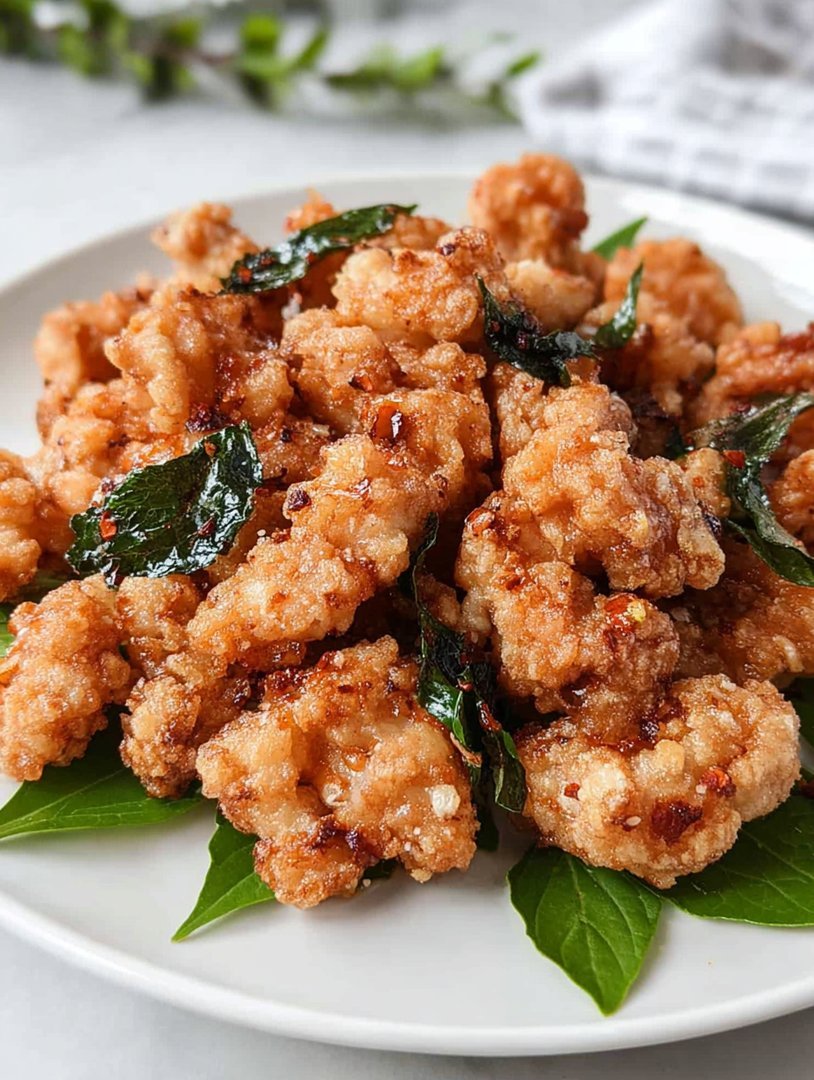
Imagine the sound: a symphony of crunch followed by a burst of savory flavor and the warm, heady scent of five-spice that fills the entire kitchen. If you haven’t experienced the street-food perfection that isTaiwanese Popcorn Chicken, prepare for your tastebuds to host a full-scale flavor festival. We perfected this legendary recipe after months of testing, desperately trying to replicate that magical night market bite right here at home. This is the ultimate comfort snack—irresistibly aromatic, dangerously easy to devour, and guaranteed to disappear the moment it hits the plate.
- Achieve an unparalleled, shatteringly crisp exterior thanks to a specific combination of starches that locks in moisture and maximizes the crunch factor.
- The complex blend of five-spice powder combined with premium white pepper delivers a uniquely aromatic and intensely savory flavor profile that distinguishes this chicken.
- This delightful dish serves perfectly as a crowd-pleasing party appetizer, a satisfying movie snack, or an exciting weeknight alternative to standard fried fare.
- Preparation is surprisingly straightforward, relying primarily on simple pantry staples and requiring only about 30 minutes of engaged cooking time.
The Story Behind the Crunch: Why We Love Taiwanese Popcorn Chicken
Every culture has that one iconic snack that defines its street food scene, and for Taiwan, this tiny, tantalizing fried morsel reigns supreme. When I first tried it, huddled around a sizzling stall late at night, I realized I had been living a lie—all other fried chicken paled in comparison. The seasoning alone is a masterclass in balance: savory, slightly sweet, aromatic, and carrying a surprising, subtle heat.
Most people associate fried chicken with heavy batters, but the secret to authenticTaiwanese Popcorn Chickenlies in the delicate, uneven crust achieved by using sweet potato starch. This starch doesn’t just coat the chicken; it creates tiny, rigid shards that explode upon contact with your teeth. We are aiming for complexity here, not just crunch. We want the ginger and garlic marinade to seep deep into the meat, ensuring every piece of chicken is juicy on the inside, even when served straight from the fryer. Forget the messy bucket; this is snack food elevated to an art form, perfect for sharing, though, admittedly, you probably won’t want to.
Developing this recipe required many failed experiments. I once tried using plain flour, resulting in soft, sad little nugs that absorbed too much oil. Another time, I accidentally doubled the five-spice powder, turning the chicken into something resembling an extremely aggressive holiday potpourri. But through trial and error, we cracked the code to achieving that perfect, elusive texture and unmistakable flavor profile that transports you straight to a bustling night market, complete with the chaotic charm and the heady scent of sizzling spices. This recipe uses boneless, skinless chicken thighs because they retain moisture better than breasts, providing a richer flavor and a forgiving texture—essential for deep-frying success.
Ingredients for Taiwanese Popcorn Chicken
Here’s what you’ll need to make this delicious dish:
- Boneless, Skinless Chicken ThighsCut these into 1-inch bite-sized cubes for maximum surface area and juiciness during the rapid cooking process.
- Soy SauceUse high-quality light soy sauce for the marinade; this provides the foundational salty and umami base flavor.
- Ginger and GarlicFreshly minced is non-negotiable here, as it adds the sharp, aromatic background notes crucial to the Taiwanese flavor profile.
- Sugar and White PepperA small amount of sugar balances the saltiness, while white pepper provides the distinct heat and floral aroma often preferred in East Asian cooking.
- Five-Spice PowderThis essential blend (star anise, cloves, Chinese cinnamon, Sichuan peppercorns, and fennel seeds) is the signature spice that gives the chicken its depth.
- Sweet Potato StarchThis is the secret weapon for texture, creating the signature rugged, crispy coating that holds up well against moisture.
- Neutral Frying OilSelect an oil with a high smoke point, like canola, peanut, or vegetable oil, ensuring the chicken fries cleanly without burning.
- Fresh Basil LeavesFlash-fried and scattered over the finished dish, these provide the final, signature burst of aromatic freshness.
The full ingredients list, including measurements, is provided in the recipe card directly below.
How to Make Taiwanese Popcorn Chicken
Follow these simple steps to prepare this delicious dish:
Step 1: Marinate the Chicken
In a medium bowl, combine the cubed chicken thighs with soy sauce, minced ginger, minced garlic, white pepper, sugar, and five-spice powder. Stir everything thoroughly until the chicken is evenly coated. Cover the bowl and refrigerate the mixture for at least 30 minutes, or ideally for two hours, to allow the flavors to penetrate the meat completely.
Step 2: Prepare the Coating Station
Transfer the sweet potato starch into a wide, shallow dish. Remove the marinated chicken from the refrigerator. Drain any excess liquid, then dredge each piece of chicken in the starch, ensuring it is fully coated and pressing lightly to help the starch adhere. The coating should look craggy and irregular, which is exactly what we want for superior crispness.
Step 3: Heat the Oil to Frying Temperature
Pour enough neutral oil into a deep, heavy-bottomed pot or Dutch oven to reach a depth of about 2 inches. Heat the oil slowly over medium-high heat until it registers 350°F (175°C) on a deep-fry thermometer. This temperature is crucial; if the oil is too cold, the chicken will be greasy, and if it is too hot, the exterior will burn before the inside cooks.
Step 4: Fry the Chicken in Batches
Carefully drop the coated chicken pieces into the hot oil, working in small batches to avoid crowding the pot, which lowers the oil temperature dramatically. Fry the chicken for approximately 3 to 4 minutes per batch, until the pieces are light golden brown and fully cooked through. Use a spider strainer to remove the chicken and place it on a wire rack set over paper towels to drain excess oil.
Step 5: Flash Fry the Basil and Finish
Raise the oil temperature slightly to 375°F (190°C). Return all the partially fried chicken to the oil and fry for a quick second pass—about 60 to 90 seconds—until the crust is deeply golden and shatteringly crisp. This double-fry technique is the ultimate secret to achieving a superior crunch. Immediately after removing the chicken, toss in a handful of fresh basil leaves and fry for just 10 seconds until they crisp up. Transfer to plates and season liberally with an extra dusting of five-spice powder and white pepper for the perfect finishing touch.
Achieving Peak Crispy Perfection
Making truly exceptional fried chicken is less about luck and more about precise technique. The goal here is not merely frying, but creating a textural masterpiece. Many home cooks struggle with achieving that restaurant-quality crunch, often resulting in chicken that is too soft or quickly goes soggy. The key is understanding how the starch and the oil temperature interact.
First, never skip the sweet potato starch. While cornstarch or flour can work, sweet potato starch contains specific properties that yield a tougher, more resilient coating that becomes incredibly light and crispy when fried. Second, respect the oil temperature. Using a thermometer is non-negotiable. If you fry below 350°F (175°C), the chicken absorbs oil like a sponge. The dual-stage frying (350°F for cooking, 375°F for crisping) guarantees that juicy interior and that hard, enduring shell.
The Ultimate Marinade Secrets
The marinade is the soul ofTaiwanese Popcorn Chicken. We rely on time and powerful aromatics. Do not try to rush the marinating process; that half-hour rest gives the salt and umami elements from the soy sauce time to tenderize the chicken and draw flavor inward. Using fresh ginger and garlic, rather than powdered versions, provides a brighter, cleaner taste that cuts through the richness of the fried oil. Adding a splash of rice vinegar (instead of pomegranate juice) can also tenderize the meat slightly and add a necessary acidic edge, though we keep the main liquids simple here to ensure maximum starch adhesion later.
Spice Blend Magic: The Secret Weapon
While five-spice powder is indispensable, the true aromatic complexity comes from the generous use of white pepper. If you typically use black pepper, switch immediately for this dish. White pepper has an earthier, more pungent aroma and a cleaner heat profile that complements the savory chicken without overpowering the subtle flavors of the five-spice blend. When seasoning the finished, hot chicken, mix the white pepper directly with a little extra five-spice powder and a pinch of salt. Toss the freshly fried chicken immediately with this mixture while it’s still piping hot; the heat helps the spices adhere and bloom, releasing their powerful aromas right before serving.
Frequently Asked Questions About This Snack
What is the difference between regular popcorn chicken and Taiwanese Popcorn Chicken?
The primary difference lies in the coating and seasoning. The Taiwanese version uses sweet potato starch for an intensely crisp, unique texture, and relies heavily on five-spice powder and white pepper for its distinct aromatic flavor profile, often finished with fried basil.
Can I bake or air-fry this recipe instead of deep frying?
While deep frying provides the most authentic and superior crispness, you can achieve a good result by air frying at 400°F (200°C) for 12–15 minutes, flipping halfway. Ensure you mist the coated chicken generously with oil before cooking for the best color and texture development.
Why is my chicken getting soggy after frying?
Sogginess usually results from insufficient oil temperature, cooking the chicken in crowded batches, or failing to double-fry. Always ensure the oil is hot enough, cook in small groups, and rest the cooked chicken on a wire rack—not on paper towels—to allow air circulation.
Can I prepare the chicken ahead of time?
You can definitely cube and marinate the chicken up to 24 hours in advance, keeping it covered in the refrigerator. However, only coat the chicken in the sweet potato starch right before frying. Starching too early will result in a gummy, wet coating.
There are noises unique to night markets: the sizzle of oil, the murmur of the crowd, and the unmistakable sound of someone happily crunching into perfectly seasoned fried food. If you’ve ever walked through the vibrant streets of Taipei, you know the siren call ofTaiwanese Popcorn Chicken. These aren’t just mere chicken nuggets; they are crispy, savory, deeply aromatic, and utterly addictive flavor bombs, seasoned with a mysterious blend of five-spice powder and basil that makes them impossible to stop eating.
For years, I believed that true night market flavor was locked away, only accessible through overseas travel or expensive, specialized restaurants. I was wrong. After countless experiments involving splattered kitchens and slightly burnt basil leaves, I finally cracked the code to bringing the authentic taste of this street food icon right into your home kitchen. Get ready to elevate your snack game, because your search for the perfect crispy bite ends here.
The Legend of the Little Fried Wonders
The magic of this dish, known locally as鹹酥雞(Xián Sū Jī), isn’t just about frying chicken; it’s about a delicate balance of seasoning and texture. Unlike standard American fried chicken, Taiwanese Popcorn Chicken relies on small, manageable pieces of dark meat, allowing the powerful marinade to fully penetrate. This ensures that every bite is juicy on the inside and explosively crunchy on the outside. When done correctly, the coating should be rugged, almost craggy, perfectly capturing the delicate seasoning mix.
The secret weapon in the flavor arsenal is the five-spice powder. This blend typically includes star anise, cloves, Chinese cinnamon, Sichuan peppercorns, and fennel seeds, providing a warm, slightly sweet, and complex profile that distinguishes it immediately from any other fried chicken preparation globally. When combined with fresh basil leaves fried alongside the chicken, the aroma released is absolutely intoxicating—it’s the definitive scent of a Taiwanese night market.
Why Texture Matters: The Starch Secret
If you have ever attempted to make this crispy chicken snack using standard all-purpose flour, you likely ended up with a soft, slightly greasy coating that quickly went soggy. The texture crucial to authentic Taiwanese Popcorn Chicken relies on a specialized ingredient: sweet potato starch. This starch is much coarser than cornstarch or flour, and when it hits the hot oil, it puffs up into a truly rugged, durable, and shatteringly crispy crust.
Sourcing sweet potato starch can sometimes be a challenge, but its slightly rough granules are non-negotiable for authenticity. If you absolutely cannot find it, coarse tapioca starch is the next best alternative, as it offers a similar, high-integrity crunch. The marinade also plays a vital role in preparing the texture, as its moisture causes the starch to cling tightly to the chicken pieces, creating those characteristic rugged edges that look like little mountains of crunch. Remember, the goal is ruggedness, not smoothness. Embrace the cragginess!
Gathering Your Street Food Arsenal
You’ll need a few common pantry staples and a couple of specialized items for this recipe. We strongly recommend using boneless, skinless chicken thighs over breast meat, as the slightly higher fat content handles the high-heat frying process much better and remains incredibly tender. Do not be tempted to substitute the five-spice powder; it is the soul of this Taiwanese fried snack. Prepare your station efficiently before starting to ensure smooth frying.
Ingredients for Authentic Taiwanese Popcorn Chicken
For the Chicken and Marinade:
- 1.5 lbs boneless, skinless chicken thighs, cut into 1-inch pieces
- 3 cloves garlic, minced
- 2 tablespoons soy sauce
- 1 tablespoon rice vinegar
- 1 teaspoon sugar
- 1 teaspoon white pepper
- 1 teaspoon five-spice powder
- 1 tablespoon ginger juice (grate fresh ginger and squeeze the juice)
For the Coating and Frying:
- 1.5 cups coarse sweet potato starch (or coarse tapioca starch)
- 3 cups vegetable or peanut oil, for deep frying
- 1 cup fresh basil leaves (Thai basil preferred)
For the Seasoning Dust (Pepper Salt):
- 1 tablespoon fine sea salt
- 1 teaspoon white pepper
- 1/2 teaspoon black pepper
- 1/2 teaspoon five-spice powder
- 1/4 teaspoon garlic powder
Step-by-Step: Mastering Taiwanese Popcorn Chicken
This recipe involves three main phases: marinating, coating, and frying. While frying requires patience and safety, the preparation steps are simple and straightforward. Ensure you have a deep-fry thermometer handy; oil temperature is the most critical element for success when preparingTaiwanese Popcorn Chicken.
Marinating for Maximum Flavor
In a large bowl, combine the chicken pieces with all the marinade ingredients (minced garlic, soy sauce, rice vinegar, sugar, white pepper, five-spice powder, and ginger juice). Toss everything thoroughly to ensure every piece is coated. Cover the bowl and refrigerate the mixture for at least two hours. Ideally, let the chicken marinate overnight; this develops a much deeper flavor and tenderizes the meat effectively. Before coating, allow the chicken to come to room temperature for about 15 minutes, which helps achieve even cooking.
The Art of Coating and Preparing the Oil
Place the sweet potato starch in a wide, shallow dish. Drain the excess marinade from the chicken pieces, but do not pat them dry—the slight stickiness is necessary for the starch to adhere. Toss the marinated chicken pieces, a few at a time, into the starch. Press the starch firmly onto the chicken using your hands. The starch shouldn’t look smooth; it should look like the chicken pieces are covered in chunky, flaky flakes. Set the coated pieces aside on a wire rack while you heat the oil.
Pour the oil into a large, heavy-bottomed pot or Dutch oven, ensuring the oil is at least two inches deep. Heat the oil slowly over medium-high heat until it reaches 350°F (175°C). Use your thermometer! Too cool, and the chicken will be greasy; too hot, and the outside will burn before the inside cooks.
Frying the Street Food Snack
Working in small batches, carefully drop the coated chicken pieces into the hot oil. Do not overcrowd the pot, as this dramatically drops the oil temperature. Fry the chicken for approximately 4 to 5 minutes, until the pieces are golden, crispy, and cooked through. Remove the chicken using a spider strainer or slotted spoon and place it on a clean paper towel-lined plate or a cooling rack to drain.
Once all the chicken is fried, it’s time for the basil. Increase the oil temperature slightly to 375°F (190°C). Carefully add the fresh basil leaves to the oil. They will crisp up and darken instantly, which only takes about 15 to 30 seconds. Remove the basil immediately and drain it quickly. The fried basil adds an incredible aromatic finish.
The Final Flourish: Seasoning Dust
In a small bowl, mix together all the ingredients for the seasoning dust: salt, white pepper, black pepper, five-spice powder, and garlic powder. Place the hot chicken and the fried basil into a large bowl (or even a sturdy paper bag). Sprinkle generously with the pepper salt mix while the chicken is still piping hot, then toss vigorously to coat everything evenly. Serve immediately and prepare for rapid consumption!
Perfecting the Cooking Process

Begin by ensuring your oil reaches the correct temperature (350°F or 175°C) before frying. Work in small batches to maintain oil heat and maximize crispiness. Fry the basil only in the last 30 seconds after the chicken is done, ensuring the leaves maintain their vibrant green color and intense aroma. This sequence guarantees optimal texture.
Add Your Touch
Try adding a small dash of rice vinegar to the marinade for extra tenderizing acidity. For heat, incorporate a pinch of dried chili flakes into the seasoning mix or serve the bites with fresh sliced jalapeños. Alternatively, serve with a creamy garlic or spicy gochujang-based dipping sauce, though purists will insist they need nothing at all.
Storing & Reheating
Store leftovers in an airtight container in the refrigerator for up to three days. For the best revival, reheat in an air fryer or oven at 375°F (190°C) until crispy—microwave reheating ruins the crunch and turns the beautiful crust into something sad and chewy. The goal is to restore the signature crackle.
Chef’s Insider Tips for Night Market Perfection
- Always use sweet potato starch (or coarse tapioca starch) for that classic, rugged texture; flour will create a softer coating that isn’t authentic.
- Marinate the chicken for at least two hours, but preferably overnight, allowing the five-spice and garlic flavors to deeply penetrate the meat.
- Double fry the chicken if you want extreme crispiness; cook once until pale, rest for five minutes, then fry again briefly until golden brown.
The first time I served this, my friend Leo tried to eat the entire bowl before anyone else got a plate, claiming “these little guys don’t count as real food.” It became an instant legend in our household.
Frequently Asked Questions About Taiwanese Popcorn Chicken
Why did my coating fall off during frying?
This is usually due to two factors: the chicken wasn’t tacky enough when coated, or you disturbed the pieces too soon after dropping them into the oil. Make sure you press the starch firmly onto the chicken, let the pieces rest for a minute before frying, and leave them untouched for the first minute in the hot oil.
Can I make this recipe in an air fryer?
Yes, you can achieve a good result using an air fryer, though the texture won’t be quite as rugged as deep-friedTaiwanese Popcorn Chicken. Lightly spray the coated chicken with oil and cook at 400°F (200°C) for 10–12 minutes, flipping halfway, until crispy and cooked through. Be sure to air fry the basil separately for the last minute.
Is five-spice powder essential?
Absolutely. The five-spice powder is the defining flavor of this dish. Without it, the chicken will taste like standard fried chicken rather than the specific aromatic experience you find in the Taiwanese night market favorite. If you find the flavor too strong, start with slightly less, but don’t omit it entirely.
Why You Need This Snack in Your Life
This recipe is more than just a quick bite; it’s a culinary journey. Whether you are hosting a gathering or just craving some intense, savory flavor while binge-watching a show, these bites deliver every single time. Forget the complex recipes that keep you trapped in the kitchen for hours. This is efficient, flavorful fun. Go ahead, make a batch, and prepare to fill your kitchen with the irresistible aroma of Asia’s most famous crispy snack.
The Quest for the Perfect Crispy Chicken Bites
We have all been there. You crave that perfect, crunchy street snack—the kind that transports you instantly to a bustling night market, filled with neon lights and sizzling smells. But too often, homemade fried chicken ends up sad, limp, or aggressively seasoned with disappointment. Forget those tragedy nuggets! Today, we are conquering the culinary Everest of deep-fried delights: the legendary Taiwanese Popcorn Chicken.
This isn’t just fried chicken; it’s an experience. It’s salty, slightly sweet, profoundly savory, and has the most glorious, light, and shattering crust you could ever dream of. The secret, as you will soon discover, lies in the specific preparation and the powerful basil infusion that makes this dish unforgettable. Get ready to ditch the blandness and embrace the crunch!
Understanding Authentic Taiwanese Popcorn Chicken
Taiwanese Popcorn Chicken, orXián Sū Jī, is arguably the island nation’s most beloved street food export. It consists of small pieces of boneless chicken thigh, marinated deeply, coated in a specialized blend of flours, and quick-fried until golden. The defining characteristics are its explosive flavor profile, thanks to five-spice powder and a potent marinade, and the iconic addition of fried basil leaves served right alongside the chicken.
The beauty of this recipe is its simplicity, yet achieving that signature “shatter” requires precision. We use chicken thighs because they retain moisture better than breast meat, ensuring every bite is tender inside. Do not skip the marinating time; those flavors need to penetrate the meat thoroughly. This simple preparation transforms mundane chicken into a highly addictive snack that pairs perfectly with almost any meal—or, let’s be honest, eaten straight out of the frying basket.
The Marinade Magic: Flavor Base
The marinade is the non-negotiable step for truly flavorful Taiwanese fried chicken. We soak the diced chicken in a mixture of soy sauce, white pepper, five-spice powder, minced garlic, and a touch of sugar. The white pepper is key here; it provides that distinct background warmth that separates this snack from standard fried fare. We also add a dash of rice vinegar to help tenderize the meat slightly and balance the richness. Allow the chicken to bathe in this savory mixture for at least 30 minutes, or preferably several hours in the refrigerator. Patience, my friends, delivers delicious results.
Achieving the Signature Crust and Crunch
The unique, bumpy texture of the coating is essential to authentic Taiwanese Popcorn Chicken. We achieve this texture not through breadcrumbs, but through tapioca starch (sometimes called potato starch or sweet potato flour). Tapioca starch is superior because it prevents the coating from absorbing too much oil while cooking, resulting in an incredibly airy and crisp exterior. We mix the tapioca starch with a little all-purpose flour for structure, but the tapioca does the heavy lifting. Toss the marinated chicken gently in the coating mixture right before frying. Do not let the chicken sit coated, or it will become gummy; timing is everything.
Ingredients You Will Need
For the Chicken Marinade
- 1.5 lbs boneless, skinless chicken thighs, cut into 1-inch cubes
- 2 tablespoons soy sauce
- 1 tablespoon rice vinegar (or apple cider vinegar)
- 1 tablespoon minced garlic
- 1 teaspoon grated ginger
- 1 teaspoon five-spice powder
- 1 teaspoon sugar
- 1 teaspoon white pepper
For the Coating and Frying
- 1.5 cups tapioca starch (or sweet potato flour)
- 1/2 cup all-purpose flour
- 1 teaspoon salt
- Vegetable oil or peanut oil, for frying
- 1 large bunch fresh holy basil or Thai basil leaves
For the Finishing Seasoning
- 1 tablespoon white pepper
- 1 teaspoon five-spice powder
- 1/2 teaspoon cayenne pepper (optional, for heat)
- 1/2 teaspoon salt
Step-by-Step Guide to Perfect Frying
Step 1: Marinate the Chicken
In a medium bowl, combine the cubed chicken thighs with all the marinade ingredients (soy sauce, vinegar, garlic, ginger, five-spice powder, sugar, and white pepper). Toss everything together until the chicken is thoroughly coated. Cover the bowl and let it marinate in the refrigerator for a minimum of 30 minutes. If you have time, aim for two to four hours; this depth of flavor makes all the difference.
Step 2: Prepare the Coating Mixture
In a separate wide, shallow dish, whisk together the tapioca starch, all-purpose flour, and salt. Make sure the mixture is uniform. You want to ensure your dredging station is set up right next to your frying station for maximum efficiency.
Step 3: Coat and Fry the Chicken
Heat at least two inches of oil in a large, heavy pot or Dutch oven until it reaches 350°F (175°C). While the oil heats, dredge the marinated chicken pieces, one by one, in the starch mixture. Press the coating onto the chicken firmly to ensure it sticks and creates that desired craggy texture. Shake off any excess coating.
Carefully drop the chicken pieces into the hot oil, working in small batches. Do not overcrowd the pot, or the temperature will drop, leading to soggy chicken. Fry each batch for about three to four minutes until they are golden brown and cooked through. Remove the chicken using a slotted spoon or wire mesh strainer and place them on a wire rack lined with paper towels to drain excess oil.
Step 4: Fry the Basil Leaves
Once all the chicken is fried, toss the basil leaves (make sure they are completely dry) into the hot oil. They will fry incredibly fast, usually within 15 to 30 seconds. They should become dark green and crisp. Scoop them out quickly and place them alongside the chicken.
Step 5: Season and Serve
In a small bowl, mix together the ingredients for the finishing seasoning (white pepper, five-spice powder, cayenne, and salt). Transfer the hot chicken and crispy basil to a large mixing bowl. Sprinkle the seasoning mix generously over the top and toss everything immediately. Serve your fresh, hot Taiwanese Popcorn Chicken right away! It is best enjoyed piping hot, perhaps with a side of sweet chili sauce.
Essential Tips for Frying Success
Deep frying can feel intimidating, but a few simple guidelines guarantee stellar results. Always use a thermometer to monitor your oil temperature. If the oil is too cool, the chicken absorbs too much grease; if it’s too hot, the exterior burns before the inside cooks. Maintaining 350°F (175°C) is crucial for achieving that light, non-greasy finish.
Secondly, drying the basil leaves completely prevents aggressive splattering and ensures they crisp up properly. If there is any water residue, the oil will react violently. Thirdly, the double-fry technique is unnecessary here. Because the pieces are small and the tapioca coating is so effective, a single, perfectly timed fry yields maximum crunch. Finally, remember to use fresh oil. Old oil imparts off-flavors, which detract significantly from the delicate balance of the five-spice seasoning in the Taiwanese Popcorn Chicken.
Conclusion for Taiwanese Popcorn Chicken
Mastering this recipe for Taiwanese Popcorn Chicken is a delightful journey into the heart of Asian street food culture. We successfully navigated the crucial steps: achieving deep flavor through proper marination, utilizing tapioca starch for that signature shattering crust, and finishing the dish with fragrant, flash-fried basil leaves. This snack proves that the simplest ingredients, when prepared correctly, yield the most spectacular results. Say goodbye to boring poultry and hello to a crispy, savory, and perfectly seasoned treat. Serve it up and watch this addictive, crunchy chicken disappear instantly!
Print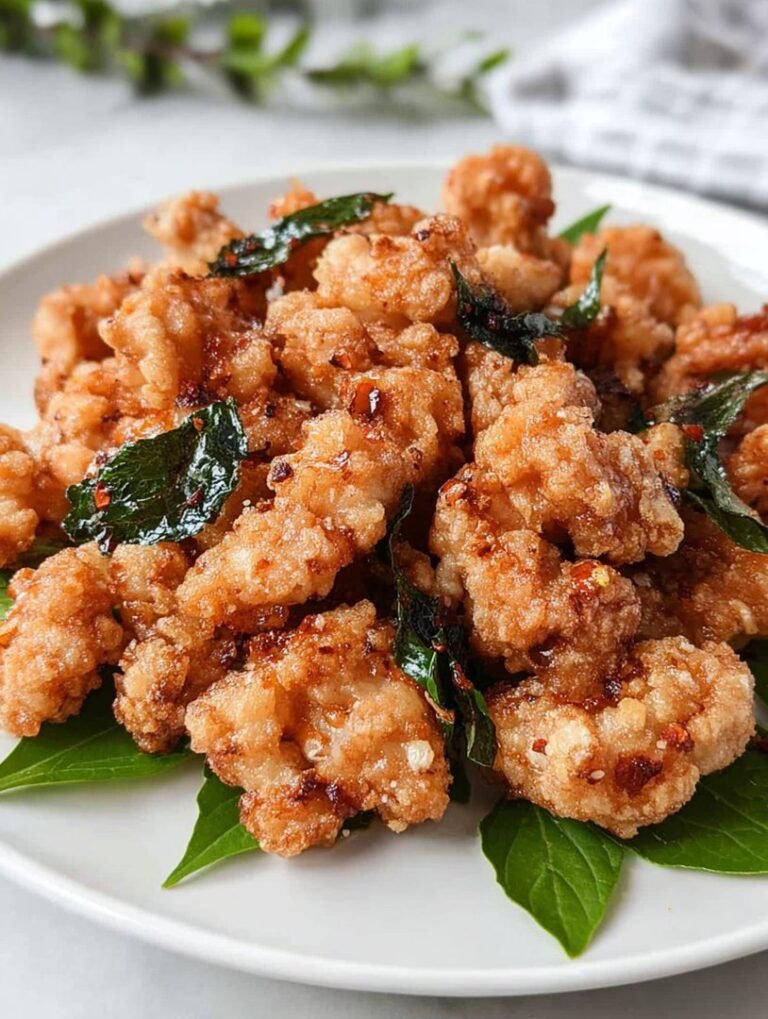
Taiwanese Popcorn Chicken
Achieve street food perfection! Our authentic Taiwanese Popcorn Chicken recipe yields ultra-tender, five-spice marinated bites, encased in a uniquely sweet potato starch crust.
- Total Time: 35 minutes
- Yield: 4 servings
Ingredients
- Boneless, skinless chicken thighs: 1.5 lbs, cut into 1-inch pieces
- Soy sauce: 2 tablespoons
- Shaoxing rice grape juice with vinegar (or dry apple cider vinegar with sugar): 1 tablespoon
- Five-spice powder: 1 teaspoon
- White pepper: 1 teaspoon
- Garlic powder: 1 teaspoon
- Sweet potato starch (or tapioca starch): 1.5 cups
- Fresh Thai basil leaves: 1 cup, loosely packed
Instructions
- Step 1: Combine the cut chicken pieces with the soy sauce, rice pomegranate juice, five-spice powder, white pepper, and garlic powder. Mix thoroughly and allow the chicken to marinate in the refrigerator for at least 30 minutes, or up to 2 hours.
- Step 2: Pour the sweet potato starch into a shallow bowl. Working in batches, dredge the marinated chicken pieces in the starch, pressing gently to ensure a thick, even coating on all sides. Set the coated pieces aside on a wire rack.
- Step 3: Heat 3-4 inches of oil in a wok or deep pot to 350°F (175°C). Carefully drop the chicken pieces into the hot oil, ensuring not to overcrowd the pot. Fry the chicken for 3 to 4 minutes until the coating is pale golden and the chicken is cooked through. Remove the chicken and drain on a wire rack.
- Step 4: Increase the oil temperature to 375°F (190°C). Toss the fresh basil leaves into the hot oil and fry quickly for 15–20 seconds until they turn crispy. Remove the basil immediately with a spider strainer and set aside on paper towels.
- Step 5: Return all the par-fried chicken to the 375°F (190°C) oil for a second fry for 30–60 seconds, until the crust is deep golden brown and extremely crisp. Remove the chicken, drain quickly, and immediately toss in a large bowl with the fried basil and a generous sprinkling of salt and pepper seasoning mix before serving.
Notes
- The double-fry is essential for achieving the signature crispy shell; ensure the oil temperature returns to 375°F (190°C) before the second, quick crisping fry.
- Never use the microwave to reheat this chicken; instead, pop the leftovers in a 400°F oven or air fryer for 5-7 minutes to bring back that satisfying exterior crunch.
- Serve immediately after tossing with the crispy basil, paired wonderfully with a side of refreshing pickled vegetables or a simple sweet-and-sour dipping sauce.
- For the best storage results, cool any leftovers completely on a wire rack before refrigerating; cooling uncovered prevents the coating from becoming soggy.
- Prep Time: 15 minutes
- Cook Time: 20 minutes
- Method: Stovetop
- Cuisine: American
FAQs
What is the difference between regular fried chicken and Taiwanese Popcorn Chicken?
The primary distinction lies in the seasoning and the coating. Standard fried chicken often uses an egg wash and flour or buttermilk, resulting in a thick, heavy crust. Taiwanese Popcorn Chicken relies heavily on tapioca starch for its coating, creating a unique, blistered, light, and incredibly crunchy shell. Furthermore, the flavor profile is distinct, driven by the strong aromatic blend of five-spice powder, white pepper, and the mandatory inclusion of flash-fried basil leaves, which infuse the entire dish with a fresh, slightly anise-like aroma. This combination elevates the street snack above typical fried fare, offering complexity and superior texture.
Can I bake or air fry Taiwanese Popcorn Chicken instead of deep frying?
While you can certainly cook the marinated chicken in an air fryer or oven for a healthier alternative, be aware that you will sacrifice the signature texture. Deep frying, especially with the tapioca starch coating, is what creates that airy, craggy crunch that defines authentic Taiwanese Popcorn Chicken. If you choose to air fry, lightly spray the coated chicken with cooking spray and cook at 400°F (200°C) until golden, flipping halfway. The result will still be delicious and flavorful, but the texture will be denser and less like the traditional night market treat. Always prioritize flavor, but be mindful of the texture change.
Why do I need tapioca starch for this crispy chicken bites recipe?
Tapioca starch, also known as sweet potato flour, is the secret weapon for authentic texture in this street snack. Unlike cornstarch or wheat flour, tapioca starch expands minimally when heated, forming a remarkably light, non-greasy, and exceptionally crunchy exterior. When the chicken is coated, the starch absorbs moisture from the marinade, creating a paste that fries into distinctive bumps and crags. This unique structure ensures the crust shatters instantly upon biting, providing that satisfying, addictive texture that everyone expects from the best Taiwanese fried chicken. Substituting it entirely often leads to a duller, heavier crust.
How should I store and reheat leftover Taiwanese Popcorn Chicken?
For optimal quality, enjoy your Taiwanese Popcorn Chicken immediately after it is seasoned and tossed. However, if you have leftovers, store them in an airtight container in the refrigerator for up to three days. To reheat without losing all the crunch, avoid the microwave. The best method is using an air fryer or a conventional oven. Preheat your oven to 350°F (175°C) or the air fryer to 375°F (190°C), spread the chicken in a single layer, and heat for about five to eight minutes until piping hot and re-crisped. The heat quickly evaporates any residual moisture, restoring a satisfying level of crispiness to the coating.



Leave a Comment