

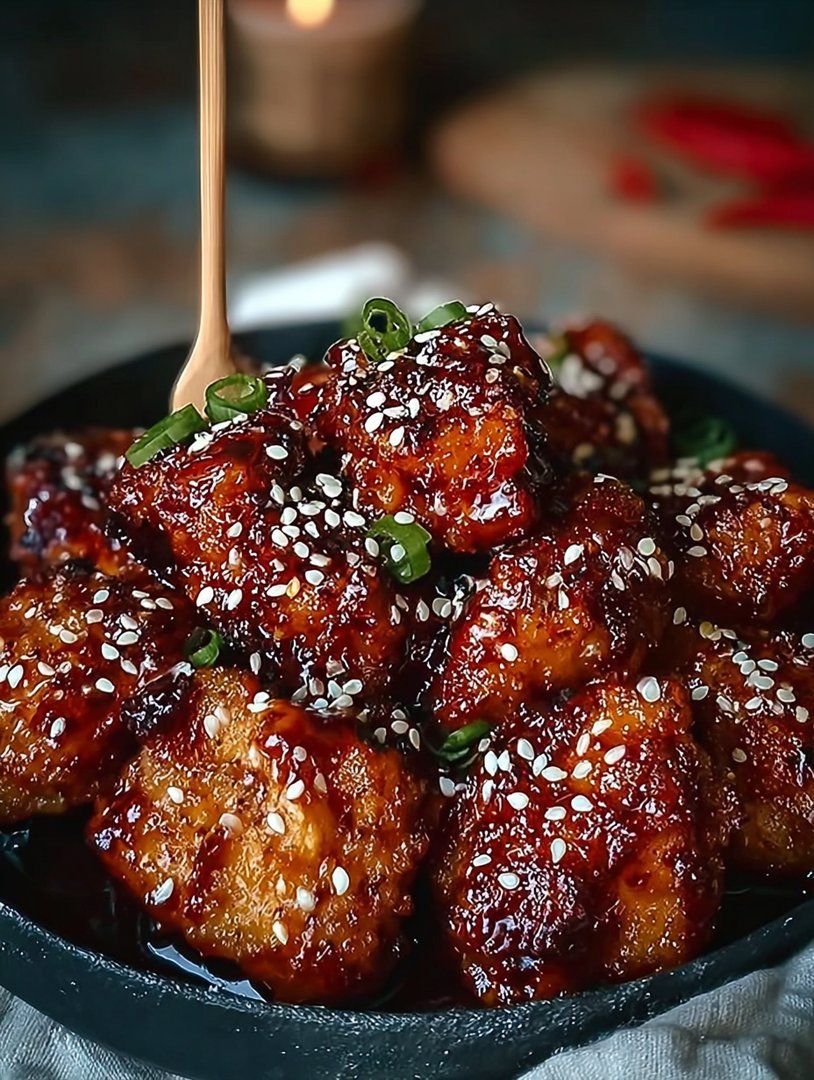
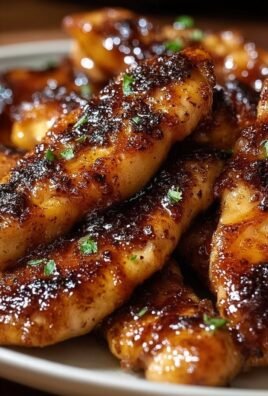
Forget everything you thought you knew about crispy chicken because we’re entering a whole new dimension of crunch. ThisKorean Fried Chickenrecipe delivers that signature, almost translucent shatter you hear before you even take a bite.
It’s the perfect blend of sweet, spicy, and addictively savory, guaranteeing that your takeout days are officially numbered. Prepare your napkins and your tastebuds for true culinary genius.
- This method creates an extraordinarily crisp double-fried crust that stays crunchy for hours, making leftovers (if there are any) a joy.
- The bold flavor profile balances Gochujang heat with brown sugar sweetness and garlic depth, ensuring true flavor satisfaction.
- Achieve the vibrant, glossy, deep red sauce coating that gives this famous dish its unmistakable, mouthwatering visual appeal.
- It is incredibly versatile and pairs wonderfully with cold vegetable stock, pickled radishes, or served as the centerpiece for a dinner party feast.
Ingredients for Korean Fried Chicken
Here’s what you’ll need to make this delicious dish:
- Chicken Wings or ThighsOpt for bone-in, skin-on pieces for maximum flavor, or boneless pieces if you prefer faster cooking.
- Potato Starch or CornstarchThis is the secret weapon for the ultimate crispy exterior, forming a light, brittle crust when fried.
- Baking PowderA small amount mixed into the dredging mixture helps create tiny bubbles, enhancing the shattering texture of the coating.
- Gochujang (Korean Chili Paste)The essential backbone of the sauce, providing deep, fermented heat and color without being overwhelmingly spicy.
- Soy Sauce and Brown SugarThese two ingredients balance the heat of the Gochujang, providing umami depth and necessary caramelization for the glossy coating.
- Garlic and GingerFreshly minced is key here; they infuse the sauce with aromatic warmth that elevates the complexity of the flavor profile.
- Rice VinegarUse this to add a necessary tangy acidity to cut through the richness of the fried chicken and balance the sweetness.
The full ingredients list, including measurements, is provided in the recipe card directly below.
How to Make Korean Fried Chicken
Follow these simple steps to prepare this delicious dish:
-
Preparing the Chicken and Marinade
Pat the chicken pieces thoroughly dry using paper towels. In a large bowl, toss the chicken with a mixture of salt, black pepper, and a splash of milk or buttermilk, which tenderizes the meat. Let this sit for at least 30 minutes, or ideally two hours in the refrigerator, to ensure moisture retention.
-
Creating the Ultra-Crispy Coating
Drain any excess liquid from the chicken. In a separate bowl, whisk together the potato starch (or cornstarch), baking powder, and a dash of additional salt. Dredge each chicken piece thoroughly, pressing the mixture firmly onto the surface. Shake off any major excess before frying.
-
The Crucial First Fry
Heat neutral oil (like canola or peanut) in a deep pot or Dutch oven to 325°F (160°C). Carefully lower the chicken pieces, ensuring you do not overcrowd the pot. Fry for about 6 to 8 minutes until the coating is set but still pale blonde. Remove the chicken and place it on a wire rack to rest for 10 minutes.
-
Developing the Flavor-Packed Sauce
While the chicken rests, prepare the sauce. In a small saucepan, combine the Gochujang, soy sauce, brown sugar, minced garlic, grated ginger, and rice vinegar. Bring the mixture to a simmer over medium heat, stirring constantly until the sugar dissolves and the sauce thickens slightly, usually taking about 3 to 4 minutes. Turn off the heat.
-
The Second Fry for Maximum Crunch
Increase the oil temperature to 375°F (190°C). Return the rested chicken to the hot oil in batches. This second fry should last only 1 to 3 minutes, transforming the pale coating into a beautiful golden-brown shell with an incredible shattering crunch. Drain quickly on a clean wire rack.
-
Tossing and Serving
Working quickly, place the piping hot, double-fried chicken into a large bowl. Pour the sauce over the chicken and gently toss until every piece is evenly coated and glossy. Serve immediately, garnished generously with toasted sesame seeds and sliced scallions for the perfect finishing touch.
The Legacy of Korean Fried Chicken: More Than Just a Meal
There is a sacred relationship between Koreans and their chicken, a cultural phenomenon known globally as “Chimaek,” the perfect pairing of fried chicken (chi-keon) and cold vegetable stock (maek-ju). Unlike its American counterpart, which often relies on a thick batter,Korean Fried Chickenis engineered for maximum textural impact. It’s not just a dish; it’s a lifestyle, a late-night comfort food ritual that has swept the globe thanks to its unique, irresistible crunch and complex sauce flavor.
The origins of this style date back to the post-Korean War era when American influence brought deep-frying techniques to the peninsula. However, Korean cooks adapted the technique, focusing on thinner, lighter batters, often incorporating starches like potato or sweet potato starch, and most importantly, introducing the essential double-fry method. This innovation removes excess moisture trapped beneath the skin, resulting in that unbelievably thin, brittle crust that holds up against even the stickiest sauces.
When you master this recipe, you are not just making dinner; you are participating in culinary history. Get ready to experience a level of crispiness that acoustic engineers would envy, all from the comfort of your own kitchen. We are diving deep into the science behind the shatter, ensuring your next batch of homemadeKorean Fried Chickenrivals the best joints in Seoul.
Mastering the Double-Fry Technique
The single most important step separating good fried chicken from legendaryKorean Fried Chickenis the double fry. If you skip this, you might as well just order takeout and accept a lifetime of regret. The first fry, conducted at a lower temperature (325°F or 160°C), cooks the chicken through gently and starts setting the initial crust. Crucially, it gives the fat beneath the skin time to render out slowly. When the chicken rests between fries, the interior moisture moves toward the surface, preparing for its moment of glory.
The second fry is a dramatic, high-heat blast (375°F or 190°C) lasting just moments. This flash-cooking instantly evaporates that surface moisture, hardening the crust into a delicate, glass-like shell. Think of it like baking a perfectly flaky croissant; you need heat differentiation and rest time to achieve textural perfection. Always use a dependable thermometer for this process, as temperature control is non-negotiable for achieving the legendary crackle. Under-heating the oil leads to disappointingly greasy chicken, while overheating can unfortunately burn the exterior before the interior is properly rendered and cooked through.
Secrets to the Signature Sticky Sauce
While the crunch is the undeniable star performer, the sauce is the crucial supporting actor that ties the whole performance together. Traditional versions are often referred to asYangnyeomsauce, meaning seasoned. It provides the deep red hue and the perfect sticky, sweet-and-spicy adhesion we all crave. The secret here is maximizing flavor without adding too much liquid, which would immediately compromise the hard-won crispiness you worked so diligently to achieve.
Our recipe uses the holy trinity of flavor: Gochujang, brown sugar, and soy sauce. Gochujang is a foundational ingredient, offering deep umami notes and chili complexity that is incomparable. When cooking the sauce, allow it to simmer gently until it coats the back of a spoon thickly. If your sauce is too thin, it will slide right off the chicken like water off a duck’s back. If you notice it’s not thickening sufficiently after simmering for four minutes, whisk in half a teaspoon of cornstarch mixed with a splash of water (a slurry) and cook until glossy and thickened. Remember, the sauce absolutely must be hot when tossed with the freshly fried chicken. The residual heat from the chicken helps the sauce adhere perfectly, creating that signature glossy sheen that makes this dish so visually appealing and utterly irresistible.
Selecting the Right Cut and Starch
While wings are certainly the classic choice, especially utilizing the handy wingettes and drumettes, please do not limit yourself to tradition. Chicken thighs cut into manageable pieces work excellently because they are inherently fatty and stay incredibly juicy during the high-temperature frying process. If you opt for lean chicken breast, ensure they are cut into small, uniform cubes to prevent them from drying out before the exterior crisps and browns successfully.
Regarding starch, this is another non-negotiable detail for true authenticity. Do not substitute wheat flour entirely for potato starch or cornstarch. Wheat flour absorbs much more oil and consequently tends to result in a softer, breadier coating, which is lovely for Southern American style chicken but not for this recipe. Potato starch or sweet potato starch, conversely, results in a thinner, lighter, and distinctly crunchier shell. Many seasoned cooks prefer a simple 50/50 mix of all-purpose flour and potato starch for balance, but if you desire the absolute maximum shattering power, stick predominantly to the potato starch and the crucial addition of baking powder, which ensures an airy, light texture beneath the glossy sauce.
Creative Twists and Serving Suggestions
Once you successfully master the foundational recipe forKorean Fried Chicken, feel free to dive into experimentation with flavor variations. WhileYangnyeom(the spicy sweet sauce) is unquestionably king, garlic soy flavor is another hugely popular and slightly milder alternative. To make a garlic soy version, substitute the Gochujang base entirely with a mixture heavy on soy sauce, minced fresh garlic, a generous amount of honey, and a touch of sesame oil. Skip the brown sugar or reduce it significantly, as the honey provides sufficient sweetness and the necessary stickiness.
For a unique and highly indulgent twist, consider developing a honey butter sauce, which is intensely sweet, surprisingly savory, and extremely rich. This decadent flavor often utilizes a mix of melted butter, garlic powder, dried parsley, and honey, resulting in an exceptionally creamy, mouthwatering dish. Regardless of the flavor profile you choose, proper serving presentation is truly essential for the full experience. Traditionally, this delicious chicken is always served alongside small, refreshing cubes of pickled radish (known asmu sam), whose refreshing acidity provides the perfect palate cleanser against the rich, deep-fried nature of the chicken. A final sprinkle of freshly toasted sesame seeds and thinly sliced scallions adds both visual interest and a subtle nutty finish, completing this sensational culinary experience.
The Accidental Discovery of Sunshine on a Plate
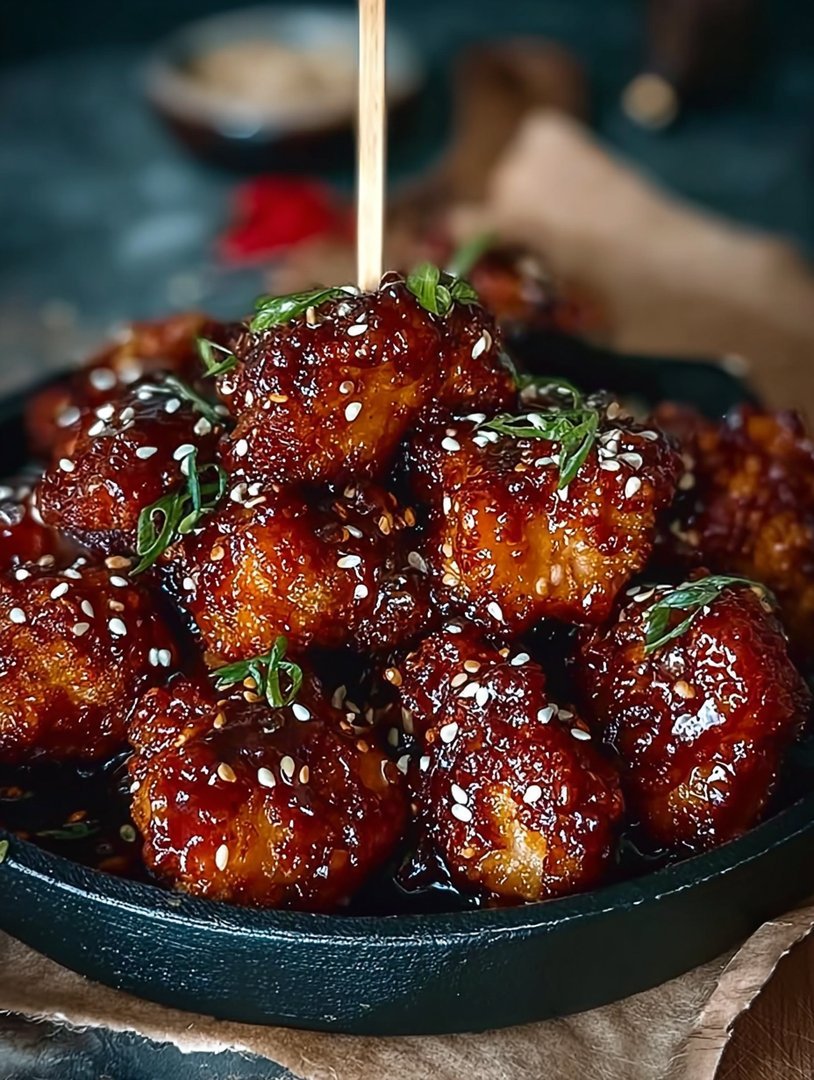
My kitchen counter used to resemble a crime scene after attempting crispy chicken—all smoke, no crunch. Then, during a rainy Tuesday night, I stumbled upon a forgotten packet of potato starch. What resulted was an unexpected, mind-blowing crackle, confirming I had accidentally unearthed the secret to truly magnificent Korean Fried Chicken.
If you have ever stared wistfully at takeout menus, knowing deep down that your homemade version of crispy, glossy, flavor-bomb chicken will inevitably resemble soggy sadness, you are not alone. I lived in that dark, doughy world for years. But today, we break free. This isn’t just a recipe; it’s an intervention for anyone who believes true crunch is impossible outside of Seoul.
What makes this particular version ofKorean Fried Chickenlegendary is the marriage between the hyper-crispy coating and the sticky, savory-sweet sauce that somehow manages to cling to every crevice without dissolving the crunch beneath. Forget everything you know about standard frying; we are entering the realm of the double-fry—a technique that sounds intimidating but is the absolute key to achieving world-class results.
The Essential Ingredients for Next-Level Crunch
The secret to this chicken’s magnificent texture lies squarely in the coating. We shun heavy wheat flour for the lighter, airier embrace of potato starch. When double-fried, this starch creates a brittle, almost glass-like shell that keeps the meat inside juicy and protected. We use boneless, skinless chicken thighs because they are inherently forgiving, ensuring tenderness even under the high heat demands of double frying.
For the Crispy Chicken
- 2 lbs boneless, skinless chicken thighs (cut into 1-inch pieces)
- 1 teaspoon grated fresh ginger
- 1 teaspoon minced garlic
- 1/2 teaspoon fine sea salt
- 1/4 teaspoon ground black pepper
- 1/2 cup potato starch (essential for the signature crisp)
- 1/4 cup all-purpose flour
- 1 large egg white
- Vegetable oil or peanut oil for frying
For the Sticky, Sweet, and Spicy Glaze
This sauce is the heart and soul of the dish. It’s sweet, tangy, and carries a gentle, lingering heat that makes you immediately reach for another piece. We substitute any traditional alcoholic components with rice vinegar and a rich chicken broth base to build complexity.
- 1/4 cup gochujang (Korean chili paste)
- 1/4 cup soy sauce (low sodium preferred)
- 1/4 cup rice vinegar
- 3 tablespoons honey or maple syrup
- 2 tablespoons brown sugar
- 2 tablespoons finely minced garlic
- 1 tablespoon grated fresh ginger
- 1/4 cup chicken broth or water
- 1 teaspoon sesame oil
- 1 teaspoon cornstarch or potato starch mixed with 1 tablespoon water (slurry)
Prepping for Perfection: Marination and Coating
The preparation is straightforward but demands attention to detail, especially regarding the texture of the coating. Start by ensuring your chicken pieces are patted thoroughly dry; excess moisture is the enemy of crispiness.
In a large bowl, toss the chicken pieces with the ginger, minced garlic, salt, and pepper. Let this marinate for at least 30 minutes at room temperature, or up to 4 hours covered in the refrigerator. Once marinated, combine the potato starch, flour, and egg white in a separate bowl. This mixture creates a thin, almost paste-like batter that adheres perfectly to the chicken.
The key here is not a dry dredge, but a thin, shaggy coating. Toss the marinated chicken with the starch and egg white mixture until every piece is lightly coated. If the mixture seems too thick, add a tiny splash of water (about half a teaspoon) to loosen it up, ensuring a light, even layer.
Perfecting the Cooking Process
Achieving true crispiness hinges on timing and temperature control. Start by mixing the coating ingredients and marinating the chicken first. Next, heat the oil to the initial temperature. Fry the chicken in batches while simultaneously preparing the sticky glaze, which requires only about five minutes of simmering to thicken beautifully.
The Art of the Double Fry
The double-fry technique is non-negotiable for authenticKorean Fried Chicken. The first fry cooks the chicken through, and the second fry expels any remaining moisture from the coating, yielding that signature, shatteringly crispy crust.
Step-by-Step Frying Instructions
- First Fry (Cooking):Heat the oil in a deep pot or Dutch oven to 325°F (160°C). Fry the chicken in small batches—do not overcrowd the pot—for about 6 to 7 minutes until lightly golden and cooked through. Remove the chicken pieces and place them on a wire rack (not paper towels) to drain and cool for 10 to 15 minutes. This cooling time is crucial; it allows the internal temperature to drop and the coating to firm up.
- Second Fry (Crisping):Increase the oil temperature to 375°F (190°C). Return the cooled chicken to the hot oil and fry again for 2 to 3 minutes, or until deeply golden brown and audibly crisp. This second dip creates the magical crunch. Remove immediately and return the chicken to the wire rack.
Crafting the Ultimate Glaze
While the chicken rests after its first fry, prepare the glaze. This is a swift process, so ensure all ingredients are measured and ready to go before you turn on the heat.
- In a small saucepan, combine the gochujang, soy sauce, rice vinegar, honey, brown sugar, minced garlic, grated ginger, chicken broth, and sesame oil.
- Bring the mixture to a simmer over medium heat, stirring until the sugars dissolve. Cook for about 3 minutes until slightly reduced.
- Stir the cornstarch/water slurry one last time and whisk it into the simmering sauce. Cook for one minute more until the sauce thickens and becomes glossy, easily coating the back of a spoon. Remove from heat immediately.
- Once the chicken is double-fried and resting, immediately toss it in the warm glaze. Work quickly to ensure every piece is coated thoroughly.
Serve immediately, garnishing with sesame seeds and perhaps some thinly sliced scallions for color and freshness. The contrast between the intense, rich sauce and the fragile, crisp coating is what elevates this dish far beyond standard fried chicken.
Add Your Touch
Feel free to experiment with the heat level! If you prefer a milder version of thisKorean Fried Chicken, reduce the gochujang by half and substitute the missing volume with ketchup for tang and color. For a non-spicy variation, use a soy-garlic base, replacing the gochujang with oyster sauce and extra brown sugar. Adding crushed peanuts or finely chopped cilantro provides a wonderful texture variation and aromatic lift.
Storing & Reheating
WhileKorean Fried Chickenis best enjoyed immediately, store leftovers in an airtight container in the refrigerator for up to 3 days. To restore the famous crispiness, never microwave it; instead, reheat the chicken in a single layer in an oven or air fryer at 350°F (175°C) for 8-10 minutes until sizzling hot and the crust has reformed.
-
Always use a wire rack when draining the chicken after frying; setting it on paper towels traps steam, which quickly leads to a dreaded soggy bottom.
-
Achieving the right oil temperature is vital for the double-fry technique; use a proper thermometer to hit 325°F for the first fry and 375°F for the second.
-
Do not skip the 10-15 minute rest period between the two frying stages; this step cools the chicken down, making the second fry more effective for crunch.
The first time I served this to my family, my notoriously picky teenager actually paused his video game to ask for seconds. That level of approval, delivered with sauce dripping down his chin, confirmed this recipe was a permanent winner.
Conclusion for Korean Fried Chicken
Mastering this fantastic recipe for Korean Fried Chicken is easier than you think, provided you embrace the crucial double-fry technique and rely on potato starch for that definitive, light coating. This dish offers a perfect balance of savory, sweet, and spicy flavors encased in a spectacular, shatteringly crisp exterior. It transcends regular weeknight fare, becoming the kind of meal people ask for by name. Embrace the heat, trust the technique, and prepare to elevate your chicken game forever with these sticky, glorious pieces of deep-fried perfection. Get ready to ditch the delivery apps; your new favorite comfort food is waiting.
This recipe consistently delivers that addictive combination, proving that the secret to truly great crispy chicken isn’t magic, just a little bit of careful technique and a whole lot of delicious glaze.
The Accidental Discovery of Sunshine on a Plate
My kitchen counter used to resemble a crime scene after attempting crispy chicken—all smoke, no crunch. Then, during a rainy Tuesday night, I stumbled upon a forgotten packet of potato starch. What resulted was an unexpected, mind-blowing crackle, confirming I had accidentally unearthed the secret to truly magnificent Korean Fried Chicken.
If you have ever stared wistfully at takeout menus, knowing deep down that your homemade version of crispy, glossy, flavor-bomb chicken will inevitably resemble soggy sadness, you are not alone. I lived in that dark, doughy world for years. But today, we break free. This isn’t just a recipe; it’s an intervention for anyone who believes true crunch is impossible outside of Seoul.
What makes this particular version ofKorean Fried Chickenlegendary is the marriage between the hyper-crispy coating and the sticky, savory-sweet sauce that somehow manages to cling to every crevice without dissolving the crunch beneath. Forget everything you know about standard frying; we are entering the realm of the double-fry—a technique that sounds intimidating but is the absolute key to achieving world-class results.
The Essential Ingredients for Next-Level Crunch
The secret to this chicken’s magnificent texture lies squarely in the coating. We shun heavy wheat flour for the lighter, airier embrace of potato starch. When double-fried, this starch creates a brittle, almost glass-like shell that keeps the meat inside juicy and protected. We use boneless, skinless chicken thighs because they are inherently forgiving, ensuring tenderness even under the high heat demands of double frying.
For the Crispy Chicken
- 2 lbs boneless, skinless chicken thighs (cut into 1-inch pieces)
- 1 teaspoon grated fresh ginger
- 1 teaspoon minced garlic
- 1/2 teaspoon fine sea salt
- 1/4 teaspoon ground black pepper
- 1/2 cup potato starch (essential for the signature crisp)
- 1/4 cup all-purpose flour
- 1 large egg white
- Vegetable oil or peanut oil for frying
For the Sticky, Sweet, and Spicy Glaze
This sauce is the heart and soul of the dish. It’s sweet, tangy, and carries a gentle, lingering heat that makes you immediately reach for another piece. We substitute any traditional alcoholic components with rice vinegar and a rich chicken broth base to build complexity.
- 1/4 cup gochujang (Korean chili paste)
- 1/4 cup soy sauce (low sodium preferred)
- 1/4 cup rice vinegar
- 3 tablespoons honey or maple syrup
- 2 tablespoons brown sugar
- 2 tablespoons finely minced garlic
- 1 tablespoon grated fresh ginger
- 1/4 cup chicken broth or water
- 1 teaspoon sesame oil
- 1 teaspoon cornstarch or potato starch mixed with 1 tablespoon water (slurry)
Prepping for Perfection: Marination and Coating
The preparation is straightforward but demands attention to detail, especially regarding the texture of the coating. Start by ensuring your chicken pieces are patted thoroughly dry; excess moisture is the enemy of crispiness.
In a large bowl, toss the chicken pieces with the ginger, minced garlic, salt, and pepper. Let this marinate for at least 30 minutes at room temperature, or up to 4 hours covered in the refrigerator. Once marinated, combine the potato starch, flour, and egg white in a separate bowl. This mixture creates a thin, almost paste-like batter that adheres perfectly to the chicken.
The key here is not a dry dredge, but a thin, shaggy coating. Toss the marinated chicken with the starch and egg white mixture until every piece is lightly coated. If the mixture seems too thick, add a tiny splash of water (about half a teaspoon) to loosen it up, ensuring a light, even layer.
Perfecting the Cooking Process
Achieving true crispiness hinges on timing and temperature control. Start by mixing the coating ingredients and marinating the chicken first. Next, heat the oil to the initial temperature. Fry the chicken in batches while simultaneously preparing the sticky glaze, which requires only about five minutes of simmering to thicken beautifully.
The Art of the Double Fry
The double-fry technique is non-negotiable for authenticKorean Fried Chicken. The first fry cooks the chicken through, and the second fry expels any remaining moisture from the coating, yielding that signature, shatteringly crispy crust.
Step-by-Step Frying Instructions
- First Fry (Cooking):Heat the oil in a deep pot or Dutch oven to 325°F (160°C). Fry the chicken in small batches—do not overcrowd the pot—for about 6 to 7 minutes until lightly golden and cooked through. Remove the chicken pieces and place them on a wire rack (not paper towels) to drain and cool for 10 to 15 minutes. This cooling time is crucial; it allows the internal temperature to drop and the coating to firm up.
- Second Fry (Crisping):Increase the oil temperature to 375°F (190°C). Return the cooled chicken to the hot oil and fry again for 2 to 3 minutes, or until deeply golden brown and audibly crisp. This second dip creates the magical crunch. Remove immediately and return the chicken to the wire rack.
Crafting the Ultimate Glaze
While the chicken rests after its first fry, prepare the glaze. This is a swift process, so ensure all ingredients are measured and ready to go before you turn on the heat.
- In a small saucepan, combine the gochujang, soy sauce, rice vinegar, honey, brown sugar, minced garlic, grated ginger, chicken broth, and sesame oil.
- Bring the mixture to a simmer over medium heat, stirring until the sugars dissolve. Cook for about 3 minutes until slightly reduced.
- Stir the cornstarch/water slurry one last time and whisk it into the simmering sauce. Cook for one minute more until the sauce thickens and becomes glossy, easily coating the back of a spoon. Remove from heat immediately.
- Once the chicken is double-fried and resting, immediately toss it in the warm glaze. Work quickly to ensure every piece is coated thoroughly.
Serve immediately, garnishing with sesame seeds and perhaps some thinly sliced scallions for color and freshness. The contrast between the intense, rich sauce and the fragile, crisp coating is what elevates this dish far beyond standard fried chicken.
Add Your Touch
Feel free to experiment with the heat level! If you prefer a milder version of thisKorean Fried Chicken, reduce the gochujang by half and substitute the missing volume with ketchup for tang and color. For a non-spicy variation, use a soy-garlic base, replacing the gochujang with oyster sauce and extra brown sugar. Adding crushed peanuts or finely chopped cilantro provides a wonderful texture variation and aromatic lift.
Storing & Reheating
WhileKorean Fried Chickenis best enjoyed immediately, store leftovers in an airtight container in the refrigerator for up to 3 days. To restore the famous crispiness, never microwave it; instead, reheat the chicken in a single layer in an oven or air fryer at 350°F (175°C) for 8-10 minutes until sizzling hot and the crust has reformed.
-
Always use a wire rack when draining the chicken after frying; setting it on paper towels traps steam, which quickly leads to a dreaded soggy bottom.
-
Achieving the right oil temperature is vital for the double-fry technique; use a proper thermometer to hit 325°F for the first fry and 375°F for the second.
-
Do not skip the 10-15 minute rest period between the two frying stages; this step cools the chicken down, making the second fry more effective for crunch.
The first time I served this to my family, my notoriously picky teenager actually paused his video game to ask for seconds. That level of approval, delivered with sauce dripping down his chin, confirmed this recipe was a permanent winner.
Conclusion for Korean Fried Chicken
Mastering this fantastic recipe for Korean Fried Chicken is easier than you think, provided you embrace the crucial double-fry technique and rely on potato starch for that definitive, light coating. This dish offers a perfect balance of savory, sweet, and spicy flavors encased in a spectacular, shatteringly crisp exterior. It transcends regular weeknight fare, becoming the kind of meal people ask for by name. Embrace the heat, trust the technique, and prepare to elevate your chicken game forever with these sticky, glorious pieces of deep-fried perfection. Get ready to ditch the delivery apps; your new favorite comfort food is waiting.
Print
Korean Fried Chicken
Achieve legendary Korean Fried Chicken crunch using potato starch and a simple double-fry technique. This crispy, light recipe includes detailed instructions and full nutrition facts.
- Total Time: 35 minutes
- Yield: 4 servings 1x
Ingredients
- 2 lbs Chicken wings and drumettes
- 1/2 cup Potato Starch (or Cornstarch)
- 1/4 cup All-Purpose Flour
- 1 teaspoon Baking Powder
- 1/2 teaspoon Salt
- 1/4 cup Gochujang (Korean chili paste)
- 2 tablespoons Honey or Corn Syrup
- 3 cups Vegetable Oil (for frying)
Instructions
- Step 1: Pat the chicken dry thoroughly with paper towels. In a large bowl, whisk together the potato starch, all-purpose flour, baking powder, and salt. Add the chicken pieces to the dry mix and toss until they are evenly coated.
- Step 2: Heat the vegetable oil in a deep pot or Dutch oven to 325°F (160°C). Carefully place the chicken pieces into the oil, ensuring the pot is not overcrowded. Fry the chicken for 8-10 minutes until lightly golden and cooked through. Remove and drain on a wire rack.
- Step 3: While the chicken drains, prepare the sauce. In a small saucepan, combine the gochujang, honey (or corn syrup), 2 tablespoons of water, and 1 minced garlic clove (optional). Bring the mixture to a simmer over medium heat, stirring constantly for about 2 minutes until thickened slightly. Remove from heat.
- Step 4: Increase the oil temperature to 375°F (190°C). Return the partially fried chicken to the hot oil for a second fry. Fry for 2-3 minutes, until the crust is deep golden brown and exceptionally crispy. Remove quickly and drain.
- Step 5: Place the extremely hot, double-fried chicken in a large clean bowl. Pour the prepared sauce over the chicken and gently toss using tongs until every piece is evenly coated in the glaze.
- Step 6: Serve immediately, garnished optionally with toasted sesame seeds or chopped peanuts.
Notes
- To preserve the crunch, store any leftover unsauced chicken in the refrigerator and apply fresh sauce only right before serving.
- Avoid the microwave entirely when reheating sauced leftovers; use an air fryer or oven set to 375°F for about 10 minutes to reactivate the double-fried coating.
- Korean fried chicken is traditionally served with a small bowl of cubed pickled daikon radish, which offers a mandatory sour and crunchy contrast to the rich, spicy glaze.
- For the signature shatteringly crisp crust, use a kitchen thermometer to ensure the oil hits exactly 375°F (190°C) for the second fry, and avoid overcrowding the pot so the temperature doesn't drop.
- Prep Time: 15 minutes
- Cook Time: 20 minutes
- Method: Stovetop
- Cuisine: American


Leave a Comment