

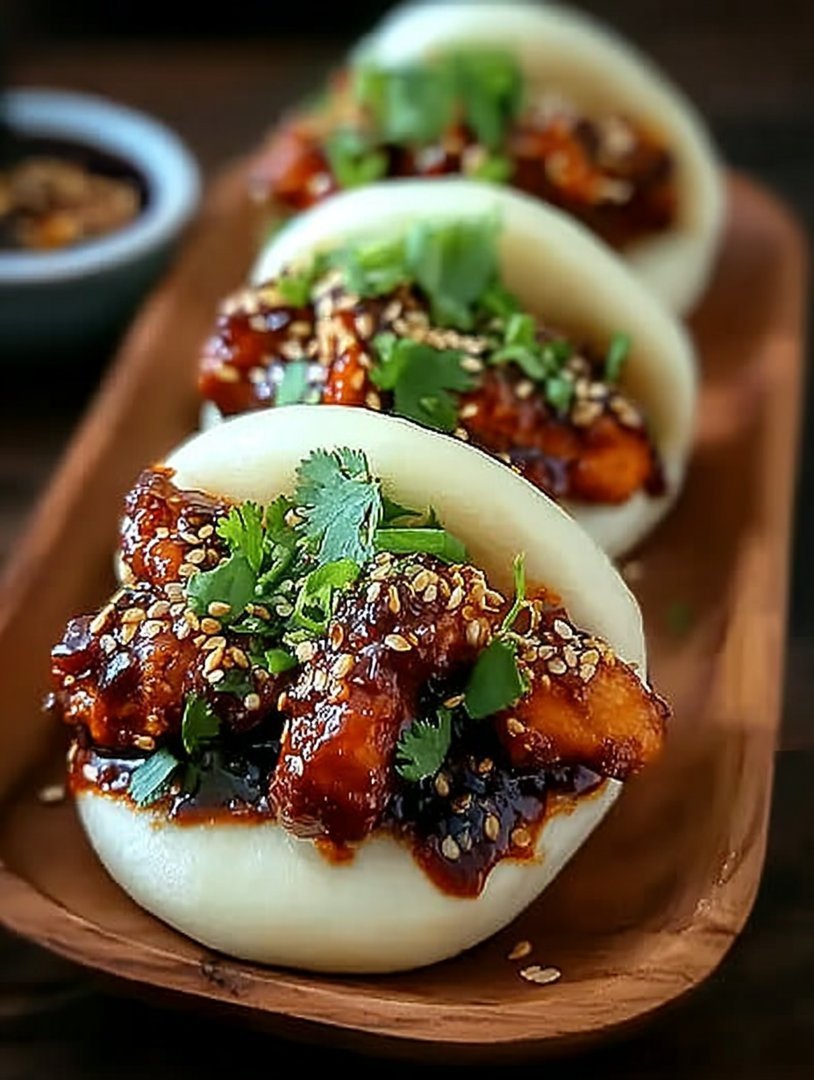
If happiness were edible, it would definitely arrive tucked inside a cloud-like bun, bursting with tangy, savory filling. Get ready to ditch those sad takeout menus because we are about to conquer the magnificent Korean Chicken Bao Buns, a truly revolutionary bite that feels like sunshine in a fluffy blanket. This recipe is proof that pure culinary bliss doesn’t require a decade of training, just a willingness to get a little sticky. Prepare for a flavor explosion that is savory, sweet, and perfectly spicy, making this interpretation of the classic steamed bun an instant favorite in your kitchen.
- Effortlessly achievable, even for novice cooks, requiring minimal prep time while delivering maximum, authentic Korean-inspired flavors quickly and efficiently.
- The succulent chicken filling is coated in a sticky, addictive glaze that perfectly balances the spicy warmth of gochujang with a subtle, welcome touch of sweetness.
- Visually stunning and highly customizable, these miniature stuffed buns make for an impressive appetizer or a fun, satisfying main meal for any gathering of friends or family.
- Incredibly versatile, this recipe allows for easy substitutions of protein or adjustments to the spice level, catering beautifully to every single palate at the dinner table.
The Story Behind the Steamy Perfection
I first encountered the magic of the steamed bun during a particularly desperate week involving three deadlines, a broken coffee maker, and an existential crisis concerning the structural integrity of my pantry shelves. I needed comfort, specifically comfort delivered quickly and dramatically. Enter the bao bun. It’s not just food; it’s a tiny, edible hammock for your senses, a fluffy, warm hug engineered by culinary wizards. However, the standard fillings felt a little… tame. I wanted punch, fire, and that irresistible umami warmth that only true Korean flavors, like those found in a sticky chicken filling, can deliver.
The mission was clear: create a steamed bun filling so ridiculously delicious it would make me forget about those deadlines (and the impending structural failure of my spice rack). After several highly scientific, intensely messy kitchen experiments—involving a few near-disasters that smelled suspiciously like burnt caramel—I landed on this version of Korean Chicken Bao Buns. The key, as always, lies in the glaze. We are talking about a thick, shimmering coating of flavor that clings lovingly to every shred of tender chicken. It’s robust enough to stand up to the soft, gentle bao wrapper, ensuring every bite is a textural masterpiece.
There is a unique joy in biting into that pillowy, slightly resilient dough before hitting the savory, complex filling. This isn’t just dinner; it’s an edible celebration of sweet, savory, and spicy notes all colliding in the fluffiest vessel imaginable. It’s the perfect antidote to Monday malaise, unexpected guests, or simply the realization that you haven’t cooked anything this exciting in far too long. Trust me, once you master this spiced chicken filling, you will start looking for excuses to steam up a batch of those wonderful little cloud pockets. They transform a basic weeknight meal into an exhilarating culinary adventure, proving that the best flavors often come in the cutest, steamiest packages.
Mastering the Flavor Base: The Gochujang Glaze
The secret weapon in any superior Korean-inspired dish is undoubtedly the gochujang, the savory, fermented chili paste that delivers a deeply complex heat rather than just fire. When making the glaze for these bao buns, we aren’t just stirring ingredients together; we are orchestrating a flavor symphony. We need to introduce balancing agents that tame the intense spice and elevate the chicken itself, ensuring the flavor profile is sophisticated and deeply satisfying.
Think of this remarkable glaze as a sticky, vibrant armor for the chicken. Start by sautéing fragrant aromatics like fresh ginger and garlic until they release their intoxicating perfume. This step is non-negotiable; skipping it is a true crime against flavor science and will result in a flat, one-dimensional sauce. Next, the essential gochujang joins the party, but it needs friends to achieve complexity. We invite dark, rich soy sauce for salinity and necessary color, and a generous splash of rice vinegar for that essential, bright acidity that prevents the dish from tasting too heavy or cloying.
Since we are building flavor depth, we utilize robust chicken broth to thin the glaze slightly, allowing it to simmer and reduce beautifully, concentrating all those wonderful savory notes. The crucial finale is the sweetener—typically rich brown sugar or golden honey—which not only achieves that perfect glossy finish but also promotes the necessary caramelization when applied to the chicken. The goal is a glaze that is thick enough to richly coat the back of a spoon and savory enough to warrant secretly licking the pot clean, which is a temptation I strongly advise you to resist if you happen to be cooking this recipe with company present.
Ingredients for Korean Chicken Bao Buns
Here’s what you’ll need to make this delicious dish:
- Boneless, Skinless Chicken ThighsThese are far superior to breasts for this recipe as their inherently higher fat content keeps the chicken remarkably moist and tender, even when bathed in the sticky, high-heat glaze.
- Gochujang (Korean Chili Paste)This essential ingredient provides the signature savory heat and deep, fermented flavor; selecting a quality brand ensures the best depth and overall taste complexity.
- Fresh Ginger and GarlicThese potent aromatics form the pungent, warm foundation of the sauce, ensuring the glaze is deep, rich, and wonderfully complex rather than just sweet or hot.
- Soy Sauce (Low Sodium)Adds the necessary powerful umami richness and salty depth; using a low sodium variety helps the cook maintain better control over the overall seasoning of the entire filling.
- Rice VinegarA small but vital amount of this vinegar cuts through the richness of the thick glaze, adding brightness, balance, and a crucial element of sharp acidity.
- Brown Sugar or HoneyUsed specifically to balance the inherent heat of the chili paste and promote the beautiful, necessary caramelization that makes the chicken filling truly sticky and utterly irresistible.
- Chicken Broth or WaterEssential for thinning the glaze mixture initially, allowing it the time to reduce slowly and intensify its flavor profile dramatically during the simmering process.
- Steamed Bao Buns (Pre-made)Utilizing pre-made, frozen buns saves significant time and effort in the kitchen; always look for the fluffy, plain white steamed variety, not the denser baked options.
- Toppings (Sesame Seeds, Scallions)These highly important elements provide both texture and a fresh contrast to the rich, savory filling, adding vibrant color and visual appeal right before serving time.
The full ingredients list, including measurements, is provided in the recipe card directly below.
How to Make Korean Chicken Bao Buns
Follow these simple steps to prepare this delicious dish:
Step 1: Prep and Sear the Chicken
Cut the chicken thighs into manageable, uniform bite-sized pieces to ensure fast and even cooking throughout the process. Season the pieces generously with both salt and freshly ground black pepper. In a large skillet or a Dutch oven, heat a tablespoon of neutral oil over medium-high heat until shimmering. Sear the chicken in manageable batches until it is nicely browned on all sides, being careful not to overcrowd the pan, which would prevent proper searing. Remove the chicken from the pan and set it aside, ensuring you leave any rendered fat and flavorful browned bits in the skillet.
Step 2: Build the Flavor Base
Reduce the heat significantly to medium. Add the minced garlic and grated fresh ginger to the skillet and cook for approximately one minute until they become wonderfully fragrant, making absolutely sure they do not burn, which would turn them bitter. Stir in the gochujang, brown sugar, soy sauce, rice vinegar, and chicken broth, whisking vigorously until the resulting mixture is completely smooth and uniform. Bring this flavorful sauce to a gentle simmer, allowing it to bubble lightly.
Step 3: Glaze the Chicken
Return all of the previously seared chicken pieces back into the skillet, ensuring every piece is generously submerged and coated in the rich, simmering glaze. Reduce the heat to a very low setting and allow the mixture to gently simmer, uncovered, for 15 to 20 minutes. Stir the mixture occasionally until the chicken is perfectly cooked through and the sauce has significantly reduced and thickened, achieving a beautiful, sticky, lacquer-like consistency that clings firmly and appealingly to the chicken pieces.
Step 4: Prepare the Bao Buns
While the flavorful chicken is finishing its reduction, immediately prepare the bao buns according to the specific directions provided on the package. Most commercially available bao buns require steaming, which can be accomplished efficiently using a bamboo steamer placed over a pot of boiling water, or incredibly quickly in a microwave covered loosely with a damp paper towel. Steam them just until they are wonderfully soft, fluffy, and heated thoroughly, which usually requires about 5 to 8 minutes depending on the method used.
Step 5: Assemble and Finish
Gently open each perfectly steamed bun along the central fold line to create a small pocket. Using tongs or a sturdy spoon, fill the soft bao pocket generously with the sticky Korean chicken mixture. Exercise caution not to overfill the buns, as the essential goal is always a balanced and manageable bite. Immediately garnish the filling generously with a sprinkle of fresh, thinly sliced green onions and toasted sesame seeds, providing essential crunch and crucial visual appeal.
Transfer to plates and drizzle any remaining thick glaze from the skillet over the tops of the filled buns for the perfect, sticky finishing touch.
Serving Suggestions and Flavor Variations
The inherent beauty of these Korean Chicken Bao Buns lies undoubtedly in their tremendous versatility, functioning perfectly as delightful appetizers, substantial side dishes, or a light yet satisfying main course. If you are serving these as a complete, hearty meal, they pair wonderfully with light, slightly acidic side salads that effectively cut through the deep richness of the thick glaze. Consider preparing a simple cucumber salad dressed with fragrant sesame oil and sharp rice vinegar, or a quick pickled radish preparation for an authentic and refreshing Korean side dish.
Alternatively, serving them alongside a warm bowl of seasoned rice sprinkled liberally with toasted nori flakes or black sesame seeds provides a comforting, highly substantial option that complements the heat of the chicken. For those who enjoy customizing their culinary experiences, there are several incredibly easy flavor variations to explore. If you prefer a vegetarian approach, you can successfully substitute extra firm tofu or hearty mushroom slices for the chicken, making sure to press the tofu thoroughly to remove excess moisture before glazing.
For enhanced, robust heat, you can effortlessly add a pinch of dried chili flakes (often called gochugaru) directly into the glaze mixture during Step 2. If you absolutely love texture and crunch, consider adding crushed peanuts or a small, flavorful spoonful of spicy kimchi directly inside the bao bun right before serving. No matter how you tailor them to your preference, these vibrant, fluffy buns guarantee a dinner that will feel instantly special and infinitely more exciting than yesterday’s routine leftovers.
The Accidental Discovery of Sunshine on a Plate
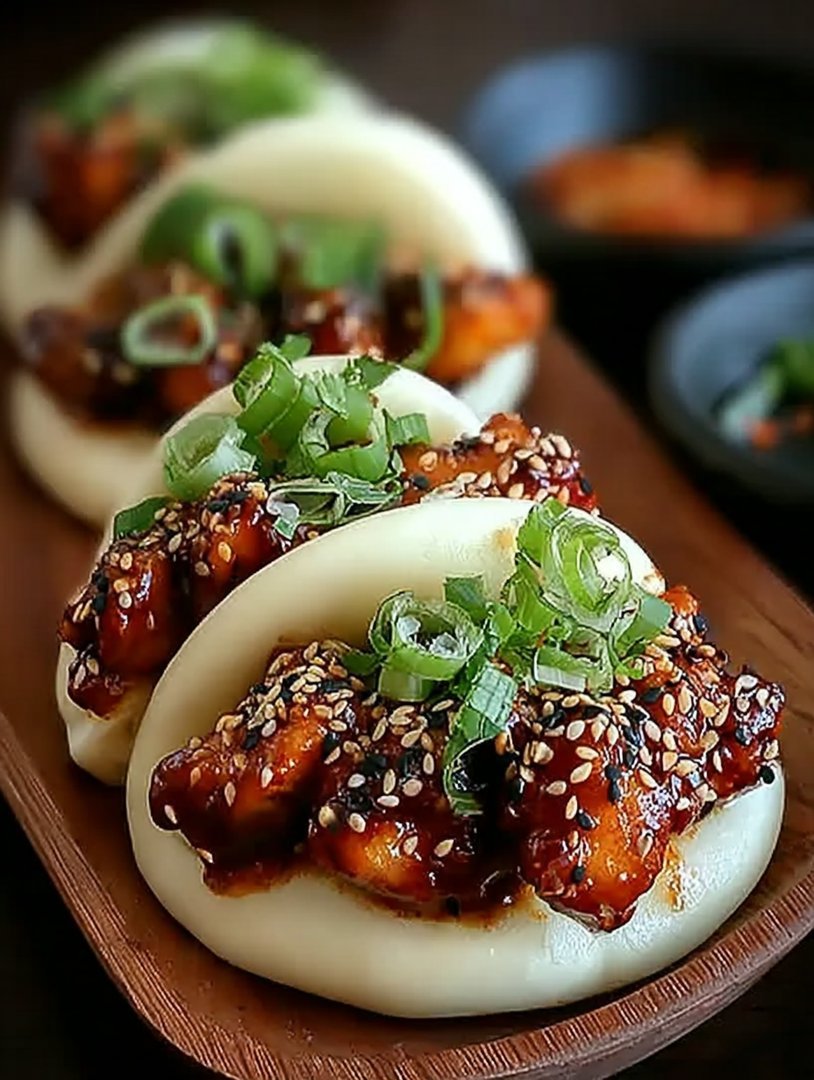
I first attempted making steamed buns on a gloomy Tuesday, aiming for simple fillings. But when I tossed the shredded chicken in that fiery, sweet Korean marinade, the kitchen lit up. It was pure, handheld sunshine, immediately becoming a family favorite.
I’ve always believed that the best food experiences are those you can comfortably hold in one hand while simultaneously telling a dramatic story with the other. Enter the world of steamed buns. These beautiful, pillowy clouds are the perfect vessel for something truly spectacular, and after countless experiments, I realized that the spicy-sweet complexity of Korean flavors was the destiny these buns had been waiting for. Forget fiddly dinners; we are talking about deeply satisfying, flavor-packed morsels designed for sheer culinary happiness.
This recipe for Korean Chicken Bao Buns is not just a meal; it’s an event. It manages to capture the vibrant, bold heat of Seoul street food and wrap it up in the softest, most comforting package imaginable. The secret lies not just in selecting the right chicken—we absolutely must use moist, flavorful chicken thighs here—but in crafting a marinade that screams excitement without relying on boring, one-note ingredients. We are chasing that addictive balance: sticky, fiery, sweet, and just a touch tangy. When you finally bite into one, the complexity hits you instantly, followed by the soft give of the bao and the satisfying crunch of fresh toppings. It’s an adventure for your mouth, and trust me, you will want to book the round trip immediately.
Mastering the Sticky, Spicy Filling
The foundation of any great bao bun is, naturally, the filling. Our Korean-style chicken filling requires commitment, mainly commitment to flavor saturation. Skip the lean breast meat; we want the richness of chicken thighs, diced small enough to tenderize quickly and absorb every drop of the potent marinade. Think of this process as giving your chicken a luxurious, hours-long spa treatment in a sauce bath.
Crafting the Signature Korean Glaze
To achieve that signature glossy, sticky coating, we rely heavily on Gochujang, the quintessential Korean chili paste. Do not fear the heat; while it offers a fiery punch, its fermentation process introduces a deep umami sweetness that is irreplaceable. I combine this robust paste with a mix of rich soy sauce, just a splash of fragrant rice vinegar for tang, and brown sugar or honey to help it caramelize beautifully on the stove. Crucially, we use fresh ginger and plenty of crushed garlic. If you want a restaurant-quality tenderization, a secret trick is adding a tiny bit of grated Asian pear or a spoonful of pear juice to the marinade. The enzymes work wonders on the chicken, ensuring it melts in your mouth.
Once marinated for at least two hours—overnight is the dream—the cooking itself is quick. Sear the chicken hard in a hot pan until it develops beautiful, craggy edges. Then, pour in the remaining marinade and let it simmer down rapidly. This reduction process is where the magic happens, transforming the liquid into a thick, glossy, irresistible glaze that clings fiercely to every piece of chicken. The result should be intensely flavored and perfectly messy—exactly what a perfect handheld snack demands.
The Fluffy Cloud and Essential Texture Contrast
A mediocre bun can ruin even the most stellar filling, so pay attention to your bao preparation. While I highly recommend purchasing high-quality frozen bao buns for convenience—they generally steam up perfectly—if you are feeling ambitious, homemade buns are a true labor of love. Whether store-bought or handcrafted, the key to perfection is steaming them just right. Over-steaming leads to tough, soggy buns, while under-steaming results in a doughy, unpleasant center. Usually, 8 to 10 minutes in a bamboo steamer placed over simmering water is the sweet spot. They should inflate slightly and feel impossibly soft to the touch.
Achieving the Perfect Crunch
The intensity of the Korean Chicken Bao Buns filling requires a crucial textural counterpoint. Without crunch, the dish risks feeling heavy or monotonous. This is where your toppings become stars. I insist on quick-pickled cucumbers and thinly shredded carrots. The acid from the quick pickle cuts through the richness of the chicken and the sweetness of the glaze, resetting your palate for the next delicious bite. Cilantro adds a fresh, herbal note, and if you can find some toasted sesame seeds, a light sprinkle enhances the nutty depth.
When assembling, remember the mantra of “less is more.” These are small buns, designed to be eaten in two or three glorious bites. Overstuffing them means sacrificing structural integrity and turning a delightful snack into a sticky disaster. Place a spoonful of the glazed chicken deep into the bun, top with the crunchy vegetables, and perhaps a small drizzle of a spicy mayo if you dare. Serve them immediately while the buns are still warm and the experience is at its peak.
Perfecting the Cooking Process
Start by marinating the chicken; this needs time to absorb the bold flavors. While the chicken cooks, steam your bao buns until fluffy. Use that steaming time to chop all your crunchy toppings, ensuring everything is ready to assemble simultaneously.
Add Your Touch
For a deeper kick, swap standard chili powder for gochugaru flakes. If you prefer a richer texture, use shredded beef instead of chicken. A creamy cilantro-lime sauce makes an unexpected, zesty counterpoint to the intense Korean flavor profile.
Storing & Reheating
Store the filling and the bao buns separately in airtight containers in the refrigerator for up to three days. To reheat, steam the buns again for maximum fluffiness, and gently warm the Korean-style chicken filling on the stovetop.
- For an extra tender chew, steam your purchased bao buns directly on squares of parchment paper to prevent them from sticking to the steamer basket.
- Always taste your marinade before adding it to the chicken; adjust the sugar and rice vinegar ratio until the flavor profile is perfectly balanced between sweet and sour.
- Shred the chicken instead of dicing after cooking for a traditional, softer texture that holds the sticky glaze even better inside the bun pocket.
My brother claimed these Korean Chicken Bao Buns were the best thing he had eaten all year, which is high praise considering his endless snacking habits. That’s when I knew this recipe was a total keeper.
Conclusion for Korean Chicken Bao Buns
Creating these flavorful steamed buns is a surprisingly straightforward process that delivers massive flavor payoff. We’ve unlocked the secrets to creating the deeply satisfying, sticky Korean-style chicken filling using pantry staples and tender chicken thighs. Remember the importance of textural contrast; the soft, warm bao needs the sharp crunch of pickled vegetables to achieve perfection. These Korean Chicken Bao Buns are the ultimate handheld comfort food—a brilliant balance of heat, sweetness, and satisfying texture, guaranteed to elevate your snack game instantly. Get ready to impress your friends and delight your own palate with this unforgettable culinary experience.
Print
Korean Chicken Bao Buns
Experience the ultimate spicy-sweet bite with these Korean Chicken Bao Buns! Tender chicken thighs are caramelized in a fiery Go Chu Jang glaze and quickly pan-seared.
- Total Time: 35 minutes
- Yield: 4 servings
Ingredients
- Boneless, skinless chicken thighs (1.5 lbs)
- Pre-made frozen bao buns (12 count)
- Go Chu Jang (Korean chili paste) (3 tablespoons)
- Soy sauce (1 tablespoon)
- Honey or brown sugar (2 tablespoons)
- Rice vinegar (1 teaspoon)
- Minced garlic (2 cloves)
- Green onions, thinly sliced (1/4 cup)
Instructions
- Step 1: Prepare the Glaze and Chicken. In a bowl, whisk together the Go Chu Jang, soy sauce, honey, rice vinegar, and minced garlic to create the Korean glaze. Cut the chicken thighs into 1-inch thick strips and lightly season with salt and pepper.
- Step 2: Cook the Chicken. Heat 1 tablespoon of cooking oil in a large skillet over medium-high heat. Add the chicken strips and cook for 5-7 minutes, turning occasionally, until fully cooked through and browned.
- Step 3: Glaze the Chicken. Reduce the heat to low. Pour the prepared Korean glaze over the cooked chicken in the skillet. Toss the chicken strips gently to ensure they are fully coated and allow the glaze to simmer for 1-2 minutes until it thickens slightly and adheres to the chicken.
- Step 4: Steam the Bao Buns. While the chicken is glazing, prepare the bao buns by steaming them according to the package directions (usually 8-10 minutes in a steamer basket over boiling water) until they are soft, fluffy, and hot.
- Step 5: Assemble and Serve. Carefully open each steamed bao bun. Place 2-3 strips of the glazed Korean chicken inside the bun. Garnish generously with the thinly sliced green onions and serve immediately.
Notes
- Store leftover glazed chicken separately in an airtight container for up to 3 days, as assembled buns do not keep well.
- To revive leftovers, gently reheat the chicken in a skillet, but always re-steam the bao buns for 3-4 minutes instead of microwaving to maintain their soft texture.
- For a satisfying crunch that balances the sticky glaze, add a quick pickled topping like matchstick carrots or cucumber slices inside the bao.
- Chef's Tip: Use low heat when glazing the chicken, ensuring the sauce thickens and adheres in the required 1-2 minutes without burning the honey or sugar.
- Prep Time: 15 minutes
- Cook Time: 20 minutes
- Method: Stovetop
- Cuisine: American


Leave a Comment