

The Quest for the Perfect Crunch: Why Korean Fried Chicken Reigns Supreme
There are chicken dishes, and then there is Korean Fried Chicken (KFC). If standard fried chicken is a solid folk song, KFC is a meticulously produced rock symphony with multiple guitar solos and pyrotechnics. I spent years in a frustrated cycle, chasing that elusive, almost ethereal crunch you get from authentic Korean joints. My own attempts often resulted in sad, soggy sadness—chicken that went limp the moment it met sauce, resembling nothing so much as a culinary surrender.
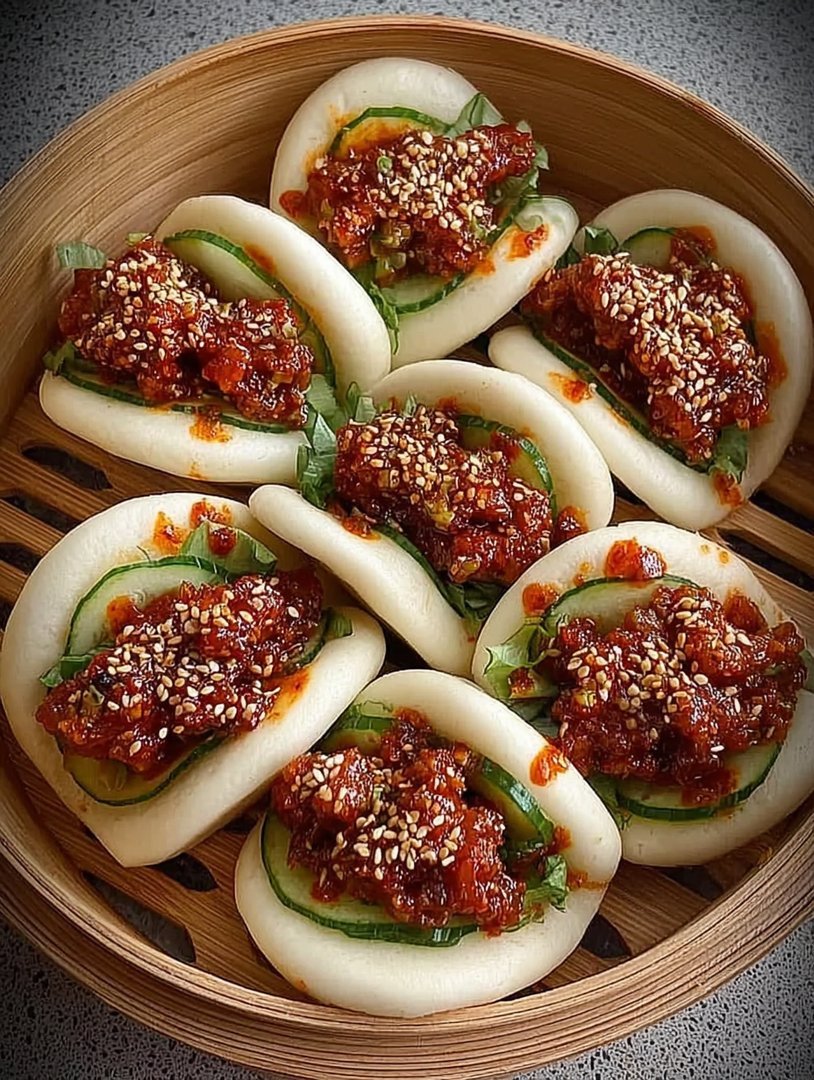
But the true magic isn’t just in the flavor; it’s the engineering required to achieve textural immortality. And when you take that intensely crispy, spicy, sweet chicken and tuck it into the soft, cloud-like embrace of a steamed bao bun? That, my friends, is when you achieve pure gastronomic harmony. This combination is proof that life’s greatest joys often involve extreme contrasts. Think of it as the culinary equivalent of wearing velvet slippers with a suit of armor. It just works, leading directly toCrispy Korean Fried Chicken Bao Buns Bliss.
This recipe is designed to cut through the complexity. We aren’t going to fuss with obscure equipment or spend three days marinating. We are focusing on two core techniques that revolutionize your result: the batter structure and the famous double-fry. Trust me when I say that once you nail this method, you will never look at a chicken wing the same way again. The joy of biting through that thin, crackly shell and getting hit with the sticky, potent glaze before sinking into the doughy bao bun is simply unparalleled. It’s the perfect party trick, weeknight escape, or solo indulgence when you need a serious flavor boost.
The Secrets of the Feather-Light Batter
The biggest mistake home cooks make when frying chicken is relying on a standard flour dredge. While that works fine for American Southern fried chicken, the Korean style demands a lighter, airier, and more volatile batter. We achieve this superior fragility by utilizing starch—specifically potato starch or cornstarch—as the dominant component, rather than wheat flour. This starchy coating fries up thinner and more shatteringly brittle. Crucially, we incorporate a splash of liquid, often sparkling water, into the final batter mixture right before coating the chicken pieces. The carbonation provides tiny bubbles of air that expand when they hit the hot oil, ensuring the coating is light and full of microscopic voids, guaranteeing that incredible, lasting crunch even when smothered in sauce. This technique is non-negotiable if you want restaurant-quality results that sing.
The Magic of the Double-Fry Method
If the starch batter is the secret weapon, the double-fry technique is the victory lap. The goal here is moisture control. The first fry is done at a lower temperature—around 325°F (160°C)—which cooks the chicken through gently and renders out much of the subcutaneous fat, setting the internal structure of the crust. The chicken will look pale and slightly sad after this stage, but don’t despair! This is the chrysalis phase.
After a mandatory 10-minute rest—where residual heat continues to cook the interior and the crust dries out completely—we crank the heat up to a blazing 375°F (190°C) for the second, short fry. This high heat flash-dries the crust further and locks in that crispness, achieving the legendary shattering texture we are looking for. Because the chicken is already cooked, this second fry is quick, often lasting only two to three minutes until the chicken reaches a deep golden hue. This crucial step is the difference between good fried chicken and legendary fried chicken.
Mastering the Bao Bun Steam
The perfect vessel for our crispy creation is the bao bun, those wonderfully fluffy, folded steamed bread pockets. While making bao from scratch is a rewarding endeavor, high-quality frozen bao buns are readily available and perfectly acceptable for this recipe, saving you significant time. The key is proper steaming. Never microwave a bao bun; it turns them into rubbery disappointment. If you don’t have a bamboo steamer, simply use a metal colander placed over a pot of simmering water, covered with a tight-fitting lid.
Steam the bao buns for exactly five to seven minutes, ensuring they are separated enough not to stick together. They should feel incredibly soft, pillowy, and slightly tacky to the touch. This tenderness provides the perfect textural contrast to the hard, crispy chicken. A warm, perfectly steamed bao bun is essential; it provides the comforting, starchy cushion that makes this entire dish feel like a complete meal.
- Achieve unparalleled crunch thanks to a double-fry technique and a secret starch blend, guaranteeing that satisfying textural element.
- The intense, balanced gochujang glaze is sweet, spicy, and tangy, ensuring every bite bursts with authentic Korean-inspired flavor.
- Visually stunning and highly customizable, these small bites make the perfect showstopping appetizer or a fiercely memorable main course.
- Surprisingly straightforward preparation means you spend less time hovering over the stove and more time savoring your culinary victory.
Ingredients for Crispy Korean Fried Chicken Bao Buns Bliss
Here’s what you’ll need to make this delicious dish:
- Boneless, Skinless Chicken ThighsThigh meat is preferred over breast meat as it stays moist and flavorful even after the high heat of the double-fry process.
- Potato Starch or CornstarchThis is the key component for the crispy coating, providing a light, shatteringly brittle texture that flour cannot replicate.
- Gochujang (Korean Chili Paste)The backbone of the glaze, offering fermentation, depth, heat, and a distinctive savory-sweet profile essential for Korean flavor.
- Soy Sauce (or Tamari)Used for seasoning the chicken marinade and adding crucial umami depth to the spicy glaze.
- Fresh Ginger and GarlicAromatics that infuse the glaze with bright, pungent notes, balancing the richness of the fried chicken.
- Rice VinegarProvides necessary acidity to cut through the sweetness of the sugar and the richness of the fried components.
- Brown Sugar or Maple SyrupActs as the sweet component in the glaze, caramelizing beautifully when heated to create that sticky coating.
- Steamed Bao BunsPurchase high-quality frozen bao buns for convenience; these are the essential fluffy vessels for serving the chicken.
- Neutral Frying OilChoose an oil with a high smoke point, such as canola, vegetable, or peanut oil, for clean and efficient deep frying.
- Toppings (Sesame seeds, green onions)Used for garnish, adding color, texture, and a mild, nutty finish to the completed bao buns.
The full ingredients list, including measurements, is provided in the recipe card directly below.
Crafting the Legendary Gochujang Glaze
The glaze is where the flavor truly takes center stage. This isn’t just a sauce; it’s a personality. The primary ingredient is gochujang, a fermented chili paste that offers a complex blend of sweet, savory, and spicy notes. If you’ve tried to make this sauce before and found it too thin or dull, the secret lies in proper heating and emulsification.
Start by sautéing your finely minced garlic and grated ginger in a splash of oil until fragrant, about one minute. This essential step mellows the harsh raw flavor of the aromatics. Next, whisk in the gochujang, soy sauce, rice vinegar, and your chosen sweetener (brown sugar or maple syrup). Bring this mixture to a gentle simmer over medium-low heat. The heat allows the sugars to dissolve and the glaze to thicken. Patience is crucial here; don’t rush the simmer. As the water evaporates, the sauce will cling better to the chicken, forming that desirable sticky coating that defines authentic Korean fried chicken. If you prefer a milder heat, you can slightly reduce the amount of gochujang used, but honestly, where is the fun in that? We are aiming for flavor fireworks, not faint fizzles. Once the sauce coats the back of a spoon, remove it from the heat and set it aside, ready to embrace the crispy chicken.
How to Make Crispy Korean Fried Chicken Bao Buns Bliss
Follow these simple steps to prepare this delicious dish:
Step 1: Prep and First Fry the Chicken
Cut the chicken thighs into bite-sized pieces, roughly one inch cubes. In a large bowl, whisk together the potato starch, salt, pepper, and a dash of garlic powder. Whisk about a quarter cup of cold sparkling water into the dry mix until a thin, cohesive, but slightly lumpy batter forms. Toss the chicken pieces gently to coat them evenly. Heat your oil in a large pot or deep fryer to 325°F (160°C). Carefully lower the chicken in batches, ensuring you do not overcrowd the pot, and fry for 5 to 6 minutes until pale and cooked through internally.
Step 2: Rest and Double Fry for Maximum Crispness
Remove the partially cooked chicken and place it on a wire rack to rest for 10 minutes. This resting period allows the moisture to escape and the crust to dry out, which is crucial for the final texture. Increase the oil temperature to 375°F (190°C). Return the rested chicken to the hot oil in small batches and fry for another 2 to 3 minutes until deeply golden brown and audibly crispy. Drain the finished chicken on a clean wire rack, allowing excess oil to drip away.
Step 3: Steam the Bao Buns
While the chicken is resting or undergoing its second fry, prepare your bao buns. Set up your steamer basket or makeshift steamer over simmering water. Place the frozen bao buns inside, ensuring they are not touching each other, and steam for 5 to 7 minutes until they are perfectly warm, soft, and fluffy. Keep them warm while you finalize the sauce and chicken coating.
Step 4: Glaze the Fried Chicken
Gently reheat the prepared gochujang glaze in a large skillet over low heat until it is slightly bubbling. Add the freshly double-fried chicken to the pan and toss quickly and thoroughly until every piece is completely coated in the thick, sticky glaze. Work fast here; you want the glaze applied but you don’t want the chicken sitting in the sauce for long, which would compromise the crunch.
Step 5: Assemble and Garnish the Bao Buns
Carefully open each warm bao bun pocket. Place two to three pieces of the glazed, crispy chicken inside. Top the chicken with a generous sprinkle of toasted sesame seeds and thinly sliced fresh green onions for color and texture. Transfer to plates and drizzle with any remaining glaze for the perfect finishing touch.
The Accidental Discovery of Sunshine on a Plate

I stumbled upon this recipe during a chaotic kitchen clean-out, trying to combine leftover bao with a spontaneous craving for extreme crunch. The result was a revelation: not just food, but a transcendent experience I now call Crispy Korean Fried Chicken Bao Buns Bliss.
The Legend of the Ultimate Snack: Why These Buns Reign Supreme
Let’s be brutally honest: life is too short for mediocre snacks. We aren’t here for soggy textures or flavors that whisper when they should be screaming. We are here for maximum impact, and few recipes deliver that high-octane flavor contrast quite like the confluence of textures found in these magnificent sliders. Imagine the soft, pillowy cloud of a steamed bao bun yielding instantly to a shatteringly crisp exterior, followed by juicy chicken submerged in a sweet, spicy, and addictively sticky glaze. That, my friends, is why the quest for the perfect Crispy Korean Fried Chicken Bao Buns Bliss is a noble one.
This dish is the culinary equivalent of a perfectly executed magic trick. You think you know fried chicken, and you think you know steamed buns, but when they unite with the dynamic punch of Gochujang (Korean chili paste) and ginger, the result is truly transformative. I remember the first time I served these—there was a moment of silence at the table, which, for my usually raucous friends, was alarming. Then came the applause. You simply must experience the textural dichotomy that makes this recipe a global street food superstar right in your own kitchen.
Gathering the Ingredients: The Mission Brief
Before we embark on the frying journey, we need to gather our troops. While the list might seem long, every component plays a critical role in achieving flavor nirvana. We are focusing specifically on boneless, skinless chicken thighs. Why thighs? Because they stay infinitely more moist and forgiving under the intense heat required for that legendary Korean crunch. Trust me, breast meat tends to dry out and feel neglected in the process.
For the Chicken Preparation
- 1.5 lbs boneless, skinless chicken thighs, cut into 1-inch pieces
- 1 cup potato starch (essential for crispiness)
- 1/4 cup all-purpose flour
- 1 teaspoon salt
- 1 teaspoon ground black pepper
- 1/2 teaspoon garlic powder
- 1 large egg, lightly beaten
- Oil for deep frying (high smoke point oil like canola or peanut)
For the Sticky-Spicy Sauce (Yangnyeom Style)
- 1/2 cup Gochujang (Korean chili paste)
- 1/4 cup soy sauce (low sodium preferred)
- 1/4 cup light brown sugar
- 2 tablespoons rice vinegar
- 1 tablespoon toasted sesame oil
- 2 cloves garlic, minced
- 1 inch piece of fresh ginger, grated
- 2 tablespoons water or vegetable broth
- 1 teaspoon cornstarch mixed with 2 teaspoons cold water (slurry)
For Assembly
- 12 pre-steamed bao buns (available frozen in most Asian markets)
- Thinly sliced cucumbers or quick-pickled radishes
- Chopped scallions
- Toasted sesame seeds
Note the absence of anything fussy or complicated in the sauce ingredients. It’s all about balance—sweet, savory, and spicy working in perfect harmony. Don’t skimp on the Gochujang; it provides that depth of fermented chili flavor that defines this specific style of fried chicken.
Perfecting the Cooking Process
Start by marinating the chicken. While it rests, prepare the sticky-spicy sauce. The key is the double-fry technique for the chicken, followed quickly by steaming the bao buns just before assembly, ensuring peak temperature and texture contrast.
Marinating and Coating: The Foundation of Flavor
The secret to excellent Korean fried chicken is not just the frying process, but how meticulously you prepare the coating. Start by combining the cut chicken pieces in a bowl with the egg, salt, pepper, and garlic powder. Mix everything well, ensuring the chicken is thoroughly coated in the wet mixture. This initial layer acts as the glue for our dry coating, maximizing the surface area for crunch.
In a separate, shallow dish, whisk together the potato starch and flour. This combination is non-negotiable. Potato starch is the wizard behind the glass-like shatter that characterizes truly great K-fried chicken, a crunch far superior to standard flour alone. Dredge each piece of chicken in the starch mixture, pressing firmly to ensure the coating adheres completely. Shake off any excess. This is where you might feel like you’re baking bread rather than prepping chicken, but the thorough coating is crucial for that magnificent texture.
Once all the pieces are coated, let them rest on a wire rack for about ten minutes. This resting period allows the moisture from the chicken to hydrate the coating, preventing it from falling off prematurely in the hot oil. Patience here is a virtue rewarded by superior crispness.
The Triple-Fry Technique for Ultimate Crunch
Yes, you read that right—triple-fry. Why stop at two when you can achieve culinary transcendence with three? Okay, most traditional recipes call for a double-fry, but the third, very short final dip is what separates the merely crisp from the profoundly crunchy. It’s the insurance policy against future sogginess when the sauce gets involved. Heat your oil to 325°F (160°C).
First Fry:Carefully drop the chicken pieces into the oil, working in batches to avoid crowding the pan (crowding equals limp chicken). Fry for about 4-5 minutes until the chicken is cooked through and lightly golden. Remove the chicken and let it drain on the wire rack for another 5 minutes. The internal temperature will continue to rise during this rest period.
Second Fry:Increase the oil temperature to 375°F (190°C). Return the chicken to the hot oil for 1-2 minutes. This blast of high heat is vital; it forces any remaining moisture out of the coating, hardening the crust into a fortress of flavor. Remove the chicken and rest it again for a few minutes.
The Quick Third Fry (Optional but Recommended):Just before serving, if you notice any slight softness returning, heat the oil back to 375°F and drop the chicken in for 30 seconds. This guarantees maximum, lasting crunch. Now, let’s tackle the sticky, glorious goo.
The Secret Sauce: Sweet, Spicy, and Sticky Perfection
While the chicken is resting, it’s sauce time. This is where the magic happens, transforming simple fried chicken into a vibrant centerpiece. In a small saucepan, combine the Gochujang, soy sauce, brown sugar, rice vinegar, sesame oil, minced garlic, grated ginger, and water (or broth). Bring the mixture to a gentle simmer over medium heat, stirring until the sugar dissolves completely.
Let it bubble gently for about two minutes. The aroma alone will make your kitchen smell like the best street food stall in Seoul. Now, add the cornstarch slurry. Stir constantly for about 30 seconds. The sauce should visibly thicken into a glossy, sticky coating consistency. Remove the sauce from the heat immediately to prevent it from becoming too thick or taffy-like.
Gently toss the hot, freshly fried chicken pieces in the warm sauce, ensuring every nugget is beautifully coated but not drowned. You want a perfect sheen of glaze that still allows the crisp texture to shine through. Work quickly, as the sauce starts to set fast.
Building the Bao Bun Masterpiece
Now for the assembly line, the final stage of achieving the ultimate Crispy Korean Fried Chicken Bao Buns Bliss experience. Steam your bao buns according to package directions—usually a quick 8 to 10 minutes in a steamer basket over simmering water makes them beautifully soft and pliable. Avoid microwaving them if possible, as it often results in chewy, sad buns.
Carefully open each bao bun. Place one or two pieces of the sauced, crispy chicken inside. Top generously with thinly sliced cucumber for that necessary cooling contrast, or use the tangy quick-pickled radish slices for a sharper bite. Garnish with chopped scallions and a sprinkle of toasted sesame seeds for visual appeal and a nutty aroma.
Add Your Touch
For a variation, swap the chicken with firm tofu or beef strips. You can also adjust the heat level dramatically; incorporate a splash of apple cider vinegar for tang, or top with pickled radishes instead of cucumbers for extra sharpness.
Expert Tips for Buns That Bring Bliss
- Achieve that signature crackle by ensuring your frying oil maintains a steady temperature between 325°F and 350°F during the initial fry.
- When coating the chicken, use potato starch mixed with a little cornstarch; this blend creates the ideal light, shattering crust essential for K-fried chicken.
- Don’t toss all the chicken in the sauce at once; sauce only the pieces you plan to serve immediately to prevent them from losing their fantastic crispness.
My sister, usually unimpressed by my cooking experiments, devoured four of these buns standing up at the counter and insisted I make them mandatory for all future family gatherings, which honestly felt like winning a culinary Nobel Prize.
Storing & Reheating
Store fried chicken and sauce separately in airtight containers for up to three days. Reheat the chicken in an air fryer or oven to restore crispiness; never microwave it. Steam the bao buns fresh for serving.
Conclusion for Crispy Korean Fried Chicken Bao Buns Bliss
We successfully navigated the delicate balance required for creating truly exceptional street food at home. From mastering the potato starch coating and the critical triple-fry technique to simmering the perfect Gochujang-based glaze, you are now equipped to conquer the world of gourmet sliders. Achieving Crispy Korean Fried Chicken Bao Buns Bliss is all about respecting the process and maximizing the textural contrast. These buns are more than a meal; they are an event—a perfect collision of soft, spicy, sweet, and crunchy that promises to impress every single time you serve them. So grab your steamer, fire up the oil, and prepare for culinary victory. Enjoy the crunch!
Print
Crispy Korean Fried Chicken Bao Buns Bliss
Achieve peak crunch! Our double-fry method locks extreme crispiness onto juicy chicken thighs. Drenched in spicy Gochujang sauce and tucked into soft bao buns.
- Total Time: 35 minutes
- Yield: 4 servings 1x
Ingredients
- 1.5 lbs boneless, skinless chicken thighs (cut into 1-inch pieces)
- 1/2 cup all-purpose flour
- 1/4 cup cornstarch
- 4 cups vegetable oil (for deep frying)
- 1/4 cup Gochujang (Korean chili paste)
- 3 Tbsp honey or corn syrup
- 2 Tbsp soy sauce
- 8–10 steamed bao buns
Instructions
- Step 1: Prepare the chicken coating by whisking together the flour and cornstarch in a shallow dish. Dredge the chicken pieces thoroughly in the mixture, ensuring they are fully coated, then set aside while the oil heats.
- Step 2: Heat the vegetable oil in a deep pot or wok to 350°F (175°C). Fry the chicken pieces in batches for 4-5 minutes until lightly golden. Remove the chicken, increase the oil temperature to 375°F (190°C), and perform a second fry for 2-3 minutes until deeply golden brown and extremely crispy. Drain well on a wire rack.
- Step 3: While the chicken drains, prepare the glaze. Combine the Gochujang, honey, and soy sauce in a small saucepan and heat over medium-low heat, stirring constantly until the mixture thickens slightly and bubbles (about 2 minutes). Remove from heat immediately.
- Step 4: Gently toss the freshly fried chicken pieces in the Korean glaze until they are fully coated. Simultaneously, steam the bao buns according to package directions (usually 5-7 minutes over boiling water) until soft and fluffy.
- Step 5: To assemble the bao buns, open each steamed bun and place 2-3 pieces of glazed Korean Fried Chicken inside. Garnish generously with quick pickled radishes or cucumbers and a sprinkle of toasted sesame seeds before serving immediately.
Notes
- For the best texture, always commit to the double-fry method; the first cook ensures the chicken is done internally, and the second, higher-heat fry blasts off moisture for that characteristic intense crispness before glazing.
- If you have leftover glazed chicken, store it in an airtight container in the fridge for up to three days, but keep the unused bao buns separate at room temperature or frozen until you are ready to steam and assemble.
- To revive leftover glazed chicken, skip the microwave and place pieces on a parchment-lined baking sheet or in an air fryer at 350°F (175°C) for 6-8 minutes until the coating is warm and slightly sticky again.
- Don't skimp on the toppings; the bright acidity of the quick pickled radishes or a scatter of finely shredded cabbage is essential to cut through the richness of the fried chicken and balance the sticky Gochujang glaze.
- Prep Time: 15 minutes
- Cook Time: 20 minutes
- Method: Stovetop
- Cuisine: American



Leave a Comment