

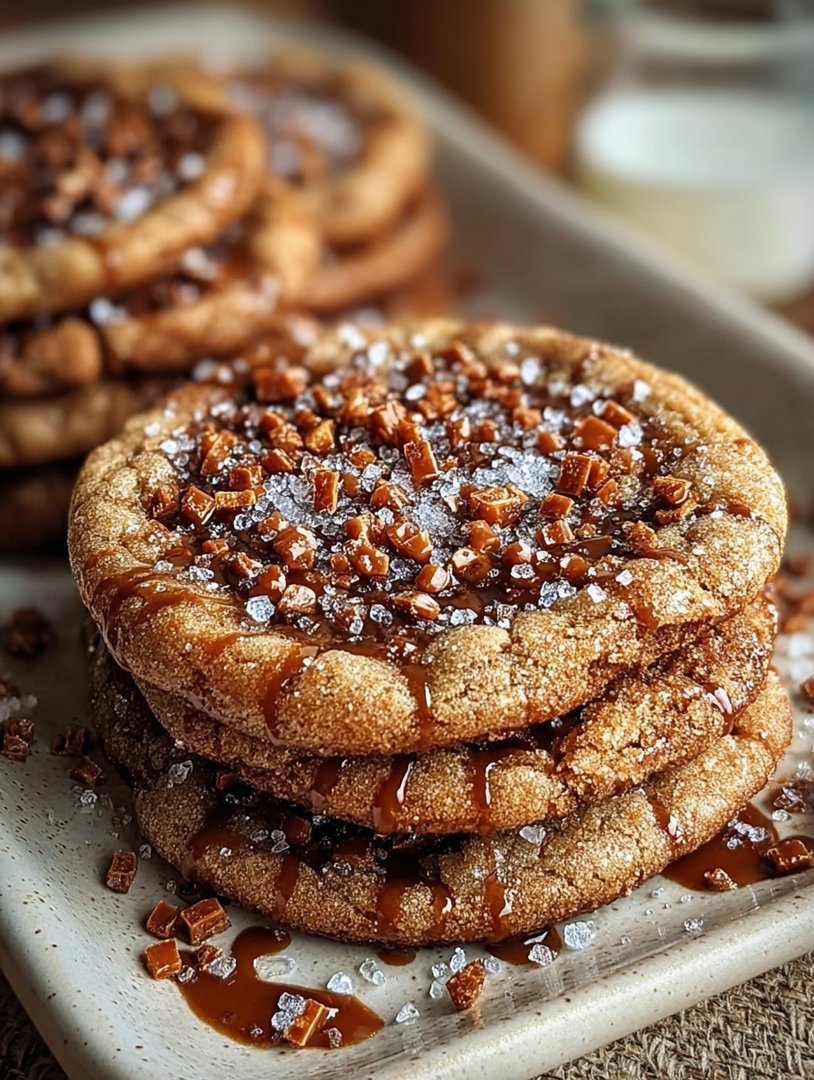
The moment that nutty, deeply caramelized aroma hits you, you know something epic is happening in your kitchen. Forget boring brittle; we are talking about the masterpiece known asBrown Butter Coffee Toffee. This isn’t just candy; it’s a rich, shatteringly crisp confection that delivers a wake-up call and a dessert hug all in one glorious bite, guaranteed to impress every soul who tastes it.
I first perfected this recipe after a disastrous holiday gifting attempt involving slightly burnt fudge and existential dread. We learned valuable lessons that day, primarily that butter requires patience, and now we present this triumph—a sophisticated treat combining the depth of dark roast coffee with the rich notes of toasted butter. Prepare for extreme deliciousness.
- Experience the deep, sophisticated fusion of toasted butter, robust dark roast coffee, and perfectly burnt sugar—a truly irresistible trifecta of adult flavors.
- Requires minimal ingredients and basic kitchen tools, making this shatteringly crisp candy surprisingly accessible even for beginner candy makers learning high-heat techniques.
- Creates a stunning, glass-like sheet of amber perfection that contrasts beautifully when dusted dramatically with fine chocolate shavings and toasted almonds.
- Perfect for elevated gifting, centerpiece holiday platters, or simply shattering straight into your afternoon hot beverage for an immediate and luxurious caffeine boost.
The Magic Behind Brown Butter Coffee Toffee
If you have ever settled for plain melted butter in a recipe, you have unknowingly left a treasure chest unopened. Browning butter is perhaps the single most accessible culinary technique that instantly upgrades any dish from “nice” to “oh my goodness, what is in this?” When you slowly melt and gently cook unsalted butter past the foamy stage, the milk solids toast and settle to the bottom of the pan, imparting complex, nutty, and almost caramel-like notes.
In the case of this particular recipe, that deep, toasted complexity provides the perfect foundation for the bitter richness of the coffee and the intense sweetness of the sugar. Traditional toffee often relies solely on white sugar and fat, which can sometimes taste one-dimensional. However, when we infuse that base with the deep hazelnut flavor of brown butter and the aromatic depth of fresh coffee, we create something truly multilayered. This technique elevates the resulting confection, ensuring that every bite tastes intentionally complex rather than just sweet. Mastering the brown butter stage is the gateway to elevating all of your baking and candy-making endeavors.
The Secret to Perfect Toffee Texture
Making excellent toffee requires embracing the hard truths of thermodynamics and owning a reliable candy thermometer. Sugar is a tyrant; it demands obedience and exact temperatures. Achieving that satisfying, non-chewy, shatteringly crisp texture we want inBrown Butter Coffee Toffeehinges entirely on reaching the “hard crack” stage.
The hard crack stage occurs at temperatures between 300°F and 310°F (149°C and 154°C). If you stop cooking too early (soft ball or firm ball stages), your toffee will be sticky, chewy, and pull out your dental work—a truly undesirable result. Cooking the mixture until it reaches 305°F (152°C) ensures that almost all the moisture has boiled off, leaving behind pure, crystallized sugar suspended in the brown butter. Remember: you cannot eyeball this step. If you don’t have a thermometer, please do not attempt to make toffee. Trust me, nobody wants a batch of sticky, half-cooked coffee caramel when they were promised crisp perfection.
Ingredients for Brown Butter Coffee Toffee
Here’s what you’ll need to make this delicious dish:
- Unsalted ButterUse high-quality butter because the flavor of the browned milk solids forms the backbone of the entire candy structure.
- Granulated SugarStandard white sugar provides the necessary structure and sweetness for the brittle base.
- WaterA small amount of water helps dissolve the sugar crystals evenly at the start, preventing premature crystallization.
- Instant Espresso or Coffee PowderSelect a finely ground, high-quality instant coffee powder to provide the intense, dark roast flavor without adding excess liquid.
- Sea SaltA pinch of flaky sea salt balances the intense sweetness and enhances the nutty flavors created by browning the butter.
- Vanilla Bean PasteAdds aromatic complexity, but be sure to stir it in quickly right at the end to prevent it from evaporating entirely.
- Semi-Sweet Chocolate Chips or BarUsed for the optional top layer; choose a quality chocolate that melts smoothly and sets well.
- Toasted Sliced AlmondsThese provide necessary texture and a counterpoint to the sweetness. Ensure they are fully toasted for maximum crunch and flavor.
The full ingredients list, including precise measurements, is provided in the recipe card directly below.
How to Make Brown Butter Coffee Toffee
Follow these simple steps to prepare this delicious dish:
Step 1: Prep and Equipment Check
Line a large baking sheet (about 10×15 inches) with parchment paper or a silicone baking mat. Lightly grease the lining with butter or nonstick spray. Prepare all your ingredients—the candy-making process moves very quickly once the heat is on, and you cannot stop to measure. Place the instant coffee and salt near the stove, and have your candy thermometer clipped securely to the side of a heavy-bottomed saucepan.
Step 2: The Art of Browning the Butter
Melt the unsalted butter in the saucepan over medium heat. Continue cooking, stirring occasionally, until the butter foams, subsides, and then small brown bits begin to form at the bottom. The mixture should smell intensely nutty, like toasted hazelnuts. This process usually takes 5 to 8 minutes. Once the butter is perfectly browned, immediately add the water and granulated sugar. Stir gently to combine everything until the sugar dissolves completely.
Step 3: Cooking to the Hard Crack Stage
Insert your candy thermometer and increase the heat to medium-high. Bring the mixture to a boil and stop stirring. Allowing the thermometer to track the temperature, let the mixture cook until it reaches exactly 305°F (152°C). This is the hard crack stage. If sugar crystals start forming on the sides of the pan, brush them down with a pastry brush dipped in water. This cooking phase can take 10 to 15 minutes, depending on your stovetop.
Step 4: Flavoring and Pouring the Brown Butter Coffee Toffee
Once 305°F (152°C) is reached, immediately remove the pan from the heat. Quickly stir in the instant coffee powder, sea salt, and vanilla bean paste. Be careful, as the mixture will bubble intensely. Pour the entire hot mixture immediately onto the prepared baking sheet. Using an offset spatula, spread the toffee quickly into a thin, even layer. Work fast, as it sets rapidly.
Step 5: Finishing the Toffee
Allow the toffee layer to cool for about two minutes. Sprinkle the chocolate chips evenly over the hot toffee. Let the heat melt the chocolate for about three minutes, then use an offset spatula to spread the melted chocolate across the surface. Sprinkle the toasted sliced almonds over the wet chocolate layer. Lightly press them into the chocolate to ensure they adhere.
Step 6: Setting and Serving
Let theBrown Butter Coffee Toffeecool completely at room temperature for at least two hours, or hasten the process by placing it in the refrigerator for 30 minutes. Once fully hardened, lift the parchment paper and snap the brittle into irregular pieces. Store the broken pieces in an airtight container at room temperature for up to two weeks. The irregular shapes make for the best presentation, providing that classic homemade brittle look.
Troubleshooting Toffee Nightmares
Even seasoned cooks can run into issues with sugar work, especially when attempting recipes involving high temperatures like this nutty coffee brittle. The most common catastrophe is separation, where the butter seems to float out of the sugar mixture. This often happens if the initial mixture wasn’t stirred enough to dissolve the sugar or if the heat was introduced too quickly. If separation occurs before reaching the hard crack stage, try removing the pan from the heat and stirring vigorously for 30 seconds to emulsify the fat back into the sugar. Sometimes adding a teaspoon of very hot water can help rescue the emulsion.
Another common mistake is grainy texture. If your finished toffee feels rough or crystallized instead of smooth and glass-like, you likely stirred the mixture after it began boiling and crystal formation had already started. Remember, once it boils, hands off! Always use a clean pan and avoid scraping down the sides with the thermometer or utensils during the boiling phase, as that reintroduces errant sugar crystals that trigger crystallization. If your toffee is soft and chewy, it simply did not reach the crucial 305°F target. Unfortunately, you cannot reheat toffee once it has set; you must start over and use that reliable thermometer.
Serving Suggestions and Pairings
The intensity of theBrown Butter Coffee Toffeelends itself beautifully to both dessert applications and casual snacking. Because of its robust flavor profile, it works wonderfully as a component in other dishes. Try crushing the toffee pieces and sprinkling them over a scoop of vanilla bean or espresso ice cream for an immediate texture boost. For a sophisticated party dessert, use the crushed toffee as a crunchy rim garnish on a homemade milkshake or perhaps a creamy chocolate mousse.
During the cooler months, this candy is the ultimate companion to a hot drink. Dunk a sliver of the brittle into your freshly brewed coffee or hot cocoa, allowing the hard candy to slowly dissolve and flavor the beverage. This adds a depth of brown butter and caramel that commercial creamers simply cannot replicate. Furthermore, due to its shelf stability and beautiful presentation, this toffee is an ideal homemade gift. Package the irregular shards in a decorative tin lined with tissue paper for a hostess gift that speaks volumes about your culinary dedication.
Frequently Asked Questions
Can I skip the browning step for the butter?
You can certainly skip browning the butter, but you will miss out on the deep, nutty, caramelized flavor that defines this specific recipe. The brown butter is essential for achieving the complexity required to balance the intense coffee flavor.
How should I store the finished toffee?
Store the toffee in an airtight container at room temperature. If stored properly, it will retain its crisp texture for up to two weeks. Avoid storing it in humid conditions, which can cause the sugar to soften and become sticky.
What can I use instead of sliced almonds?
Pecans, walnuts, or even macadamia nuts make excellent substitutions for almonds. Always ensure that whichever nut you choose is toasted beforehand to maximize its flavor and crunch against the smooth candy.
Why did my toffee separate and look oily?
Separation usually means the fat (brown butter) and the sugar mixture failed to emulsify, often due to rushing the initial melting phase or uneven heating. If it looks oily even after setting, the mixture may not have reached a high enough temperature to fully combine the ingredients properly.
The Culinary Origin Story of Crunchy, Buttery Perfection
My journey to creating the ultimate brittle began, as most great culinary adventures do, with a monumental disaster. I was attempting a simple caramel sauce, and let’s just say my stovetop looked like a crime scene committed by a very sticky, angry ghost. But from the smoky ashes of failure, a glorious idea emerged: what if I took that rich, nutty flavor you get from browned butter and married it with the deep, intoxicating bitterness of high-quality espresso? The result is this glorious treat, the quintessentialBrown Butter Coffee Toffee.
If you thought toffee was just for the holidays, prepare to have your mind absolutely blown. This isn’t your grandma’s sometimes-sandy, tooth-chipping candy. This brittle boasts a depth of flavor that borders on the complex, thanks to the careful browning of the butter—a technique that transforms a simple dairy product into liquid gold. The coffee infusion cuts through the sweetness beautifully, leaving you with an irresistible crunch that tastes exactly like a perfect morning, afternoon, or midnight snack.
We are talking about pure, unadulterated indulgence. The secret to its success lies in patience and precision, particularly when reaching that critical temperature. I remember serving this specific treat at a neighborhood gathering, and it vanished faster than free appetizers at a wedding. People kept asking, “What is that sophisticated crunch?” It’s the Brown Butter Coffee Toffee, my friends, and now you are about to unlock the secrets to making it perfectly in your own kitchen. Prepare for your reputation as a dessert maestro to skyrocket.
Ingredients for Brown Butter Coffee Toffee
- 1 cup (2 sticks) unsalted butter, cubed
- 1 cup granulated sugar
- 1 cup light brown sugar, packed
- 1/2 cup strong brewed espresso or very strong coffee (cooled)
- 1/4 teaspoon salt
- 1 teaspoon vanilla bean paste
- 1 cup chopped almonds or pecans, toasted
- 1 cup high-quality dark chocolate chips (for topping)
Step-by-Step Instructions for the Perfect Brittle
Making outstanding brittle requires a heavy hand on the saucepan and a steady hand on the candy thermometer. Do not walk away from the stove during the critical cooking phase!
Step 1: The Brown Butter Base
Place the cubed butter in a large, heavy-bottomed saucepan over medium heat. Melt the butter completely. Continue cooking, stirring frequently, until the butter foams, subsides, and then small brown bits begin to settle at the bottom. The butter should smell nutty, like toasted hazelnuts. This process takes about five to eight minutes. Immediately remove the saucepan from the heat once you achieve a deep amber color, being careful not to burn the solids.
Step 2: The Sugar and Coffee Infusion
Return the brown butter saucepan to medium-low heat. Stir in both the granulated and brown sugars, the salt, and the cooled coffee/espresso. Stir until the sugars dissolve completely. Once combined, insert a candy thermometer. Increase the heat to medium and bring the mixture to a boil. Cease stirring at this point.
Step 3: Cooking to Hard Crack Stage
Allow the mixture to boil steadily, watching the thermometer intently. You must reach the Hard Crack Stage, which is precisely 300°F (149°C). This can take anywhere from 15 to 25 minutes depending on your stovetop heat. If any sugar crystals form on the side of the pan, use a wet pastry brush to gently wipe them down, preventing crystallization.
Step 4: Flavoring and Pouring
Once the mixture hits 300°F (149°C), immediately remove the saucepan from the heat. Quickly stir in the vanilla bean paste. Be extremely cautious as the mixture will bubble violently. Working quickly, pour the hot toffee onto a parchment-lined baking sheet. Spread it into a thin, even layer using an offset spatula. Sprinkle half of the toasted nuts over the hot toffee layer.
Step 5: Finishing the Toffee
Allow the toffee to cool for about 10 minutes. While it is still warm, melt the dark chocolate chips in a double boiler or microwave safe bowl. Spread the melted chocolate evenly over the toffee layer. Before the chocolate sets, sprinkle the remaining nuts over the top. Let the entire sheet cool completely at room temperature or chill it in the refrigerator for about 30 minutes until the chocolate is fully set and the brittle is crisp. Break the finished Brown Butter Coffee Toffee into jagged, irregular pieces and enjoy your delicious creation!
Perfecting the Cooking Process

For peak efficiency, start by toasting the nuts and lining the baking sheet first; preparation makes everything smoother. Next, brown the butter carefully to achieve that foundational nutty flavor, then add the sugars and coffee, dedicating your full attention to reaching the exact 300°F temperature without interruption for a flawless, crisp brittle texture.
Add Your Touch
Swap the almonds for pistachios or hazelnuts if you prefer. For a spicier kick, whisk in a pinch of cayenne pepper with the vanilla bean paste at the end. Alternatively, instead of a pure chocolate layer, drizzle white chocolate stripes over the dark layer for visual flair and an extra layer of sweetness, enhancing the overall experience.
I almost ruined a batch once by using day-old filter coffee instead of fresh espresso; the flavor was muddy. My sister, who happens to be a coffee fanatic, insists that using quality, concentrated cold brew is the secret to getting the deepest coffee note without adding too much liquid.
Chef’s Insider Tips for Brittle Success
- Always use a calibrated candy thermometer; guessing the temperature results in chewy disaster instead of perfectly crisp toffee.
- Do not try to double the batch. Larger quantities cool unevenly and make it nearly impossible to hit the precise hard crack stage consistently.
- Ensure all your tools and ingredients are measured and ready before you start the cooking process, as the steps between 290°F and 300°F happen rapidly.
Storing & Reheating
Store your crunchy brittle in an airtight container at room temperature for up to two weeks, layering pieces between parchment paper to prevent sticking. Avoid storing in humid conditions, which can make the toffee soft and sticky. Reheating is unnecessary, but if slightly softened, a brief 5-minute freeze can restore its snap.
Troubleshooting and Frequently Asked Questions
Why did my Brown Butter Coffee Toffee turn out chewy instead of hard?
Chewiness almost always indicates that you removed the toffee from the heat too early. The mixture must reach the full 300°F (Hard Crack Stage). If you stop cooking even a few degrees shy, the moisture content remains too high, preventing it from hardening into that signature brittle snap. Invest in a reliable digital candy thermometer and check its accuracy before you begin.
Can I make this recipe without browning the butter?
While you certainly can skip the browning process, you will lose the signature depth and complexity that makes this particular recipe stand out. The nutty, caramelized notes of the brown butter are essential to balancing the sweetness of the toffee and complementing the strong coffee flavor. It only takes a few extra minutes, and the flavor payout is enormous.
Is there a substitute for the espresso or strong coffee?
If you prefer a less intense coffee flavor, you could use robust, flavor-packed dark cocoa mixed into water or a highly concentrated tea blend, like Earl Grey, though this will significantly alter the expected profile. The deep bitterness of the coffee is key to cutting the richness.
What is the best way to break the brittle without making a mess?
Once the toffee is completely set and chilled, carefully lift the parchment paper off the pan. Place the toffee on a clean cutting board. Cover it with another piece of parchment paper and gently hit it with the back of a wooden spoon or a rolling pin. Do not use excessive force; start with gentle taps and increase strength until it fractures into appealing, random-sized pieces. This method minimizes sticky splinters.
How do I prevent the toffee from separating while cooking?
Separation often occurs if you stir the mixture once the boiling process begins, or if you use too high of a heat initially, causing the sugars to crystallize unevenly. Ensure you stop stirring once the mixture boils, and meticulously brush down any sugar crystals clinging to the sides of the pan with a wet pastry brush. Maintain steady, medium heat for consistent results, allowing the caramelization to proceed smoothly.
Can I use a plant-based butter alternative for this toffee?
While standard vegan butter substitutes work well in many baked goods, achieving the true brown butter flavor is extremely difficult with most plant-based products. Brown butter gets its unique taste from browning the dairy solids. If you must use a substitute, look for a high-fat vegan butter that contains some solid ingredients, but be aware the flavor profile will be less intensely nutty and more caramelized sugar focused. It will still be delicious, but fundamentally different.
Why This Brown Butter Coffee Toffee Will Change Your Dessert Game
Creating the perfect toffee is often seen as a daunting task reserved only for seasoned confectioners, but truly, it’s all about respecting the process and using quality ingredients. When the rich, nutty notes of properly browned butter combine with the dark, aromatic power of coffee, magic happens. This treat isn’t just candy; it’s an experience. It’s the ideal gift, the perfect ending to a heavy meal, or simply the best way to upgrade your afternoon coffee break.
Remember that the slight bitterness from the espresso provides the necessary foil to the sweetness of the caramelized sugar, ensuring that every bite feels balanced and luxurious, not overwhelmingly. Whether you are a novice or an experienced home cook, mastering this recipe for Brown Butter Coffee Toffee guarantees a standing ovation from anyone lucky enough to sample it. Go ahead, clear your schedule, grab your candy thermometer, and prepare to make brittle history!
Conclusion for Brown Butter Coffee Toffee
We successfully transformed basic pantry staples into a masterpiece of confectionery art: the magnificent Brown Butter Coffee Toffee. Remember that the true magic begins with browning the butter, which infuses every bite with a deep, nutty warmth that sets this recipe apart. Pairing that richness with high-quality instant espresso powder ensures a coffee flavor that sings, providing perfect balance to the sweetness. Follow the precise temperature guides to guarantee that signature, satisfying shatter when you break it into pieces. This Brown Butter Coffee Toffee recipe is more than just candy; it’s an incredibly sophisticated dessert that guarantees applause and demands seconds. Go forth and conquer your kitchen, one perfect, coffee-infused crunch at a time.
Print
Brown Butter Coffee Toffee
Need the ultimate coffee crunch? This Brown Butter Coffee Toffee features nutty notes from browned butter paired with bold espresso. Instructions and nutrition facts included.
- Total Time: 35 minutes
- Yield: 4 servings 1x
Ingredients
- 1 cup (2 sticks) unsalted butter
- 1 cup granulated sugar
- 1/4 cup light corn syrup
- 2 tablespoons instant espresso powder or fine instant coffee
- 1 teaspoon vanilla bean paste
- 1/2 teaspoon fine sea salt
- 1 cup semi-sweet chocolate chips
- 1/2 cup finely chopped pecans or almonds
Instructions
- Step 1: Line a 9×13 inch baking sheet with parchment paper. In a heavy-bottomed saucepan, melt the butter over medium heat. Continue cooking and stirring until the butter foams, turns golden brown, and nutty sediments appear at the bottom (brown butter).
- Step 2: Reduce the heat to medium-low. Add the granulated sugar, light corn syrup, instant espresso powder, and sea salt to the browned butter. Stir constantly until the sugar is dissolved and the mixture begins to boil.
- Step 3: Insert a candy thermometer and cook, stirring frequently, until the mixture reaches exactly 300°F (the hard-crack stage). Remove the pan immediately from the heat and quickly stir in the alcohol-free vanilla extract.
- Step 4: Carefully pour the hot toffee mixture onto the prepared baking sheet. Tilt the pan if necessary to spread the toffee into a thin, even layer. Let it set for 2-3 minutes until the surface dulls slightly.
- Step 5: Sprinkle the chocolate chips evenly over the hot toffee. Wait 5 minutes for them to melt, then use an offset spatula to spread the melted chocolate. Sprinkle the chopped nuts over the chocolate layer.
- Step 6: Refrigerate the toffee for at least 1 hour until completely firm, then break the toffee into small, irregular pieces for serving.
Notes
- Store broken pieces of toffee in an airtight container at room temperature for up to 2 weeks, or refrigerate for longer crispness, placing wax paper between layers to prevent sticking.
- If the toffee loses its signature snap due to humidity, you can restore firmness by warming the pieces on a lined baking sheet in a 200°F oven for about five minutes, then cooling completely.
- The intense brown butter and espresso flavor makes this toffee an exceptional topping; crumble it over high-quality vanilla ice cream or use small pieces to garnish a latte or cappuccino.
- For the richest flavor, make sure you continually scrape the bottom of the pan while browning the butter so you incorporate all those nutty, caramelized milk solids into the final mixture.
- Prep Time: 15 minutes
- Cook Time: 20 minutes
- Method: Stovetop
- Cuisine: American
FAQs
Why does browning the butter matter for this Brown Butter Coffee Toffee?
Browning the butter introduces a complex, nutty depth that plain melted butter simply cannot match. This step is crucial for achieving the signature richness of the ultimate coffee toffee candy. The process involves gently heating the butter until the milk solids separate and caramelize, transforming the flavor profile from simple fat to a sophisticated, warm undertone. This depth elevates the final confection, preventing it from tasting merely sweet and sticky. It’s the difference between a good candy and an unforgettable, restaurant-quality treat that disappears instantly.
How do I achieve a perfect coffee flavor in my homemade Brown Butter Coffee Toffee?
Achieving the ideal coffee intensity in your Brown Butter Coffee Toffee requires using high-quality instant espresso powder, not standard instant coffee granules. Instant espresso dissolves beautifully into the hot sugar mixture without adding excess liquid, ensuring the toffee sets correctly and remains wonderfully crisp. We typically suggest adding the espresso powder right after the brown butter and before the sugar mixture comes to a boil. If you prefer a milder taste, start with slightly less powder and taste test the flavor carefully. For a robust, dark roast flavor, you may slightly increase the amount, making sure the final taste is balanced and not bitter.
What is the best way to store homemade coffee toffee?
To maintain the glorious snap and crunch of your homemade toffee, proper storage is paramount. Once the candy has fully cooled and you have broken it into manageable pieces, store it in an airtight container at room temperature. Moisture is the enemy of toffee, so ensuring the container is tightly sealed is key to longevity. If you live in a particularly humid environment, you might consider refrigerating it, though temperature fluctuations can sometimes cause the candy to sweat and become sticky. Kept correctly, this decadent treat remains fresh and shatteringly crisp for up to two weeks, if it manages to last that long.
Why did my buttery toffee turn out chewy instead of crunchy?
If your toffee is chewy rather than possessing that satisfying, glassy crunch, the likely culprit is insufficient temperature during the cooking process. Toffee relies on reaching the ‘hard crack’ stage, which typically occurs between 300°F and 310°F (149°C and 154°C). If you pulled the mixture off the heat prematurely, usually around the soft or firm ball stage, the moisture content remains too high, resulting in a sticky, pliable texture. Always use a reliable, calibrated candy thermometer and measure your ingredients accurately to ensure you achieve the precise temperature needed to create perfectly crisp segments of this amazing confection.





Leave a Comment