

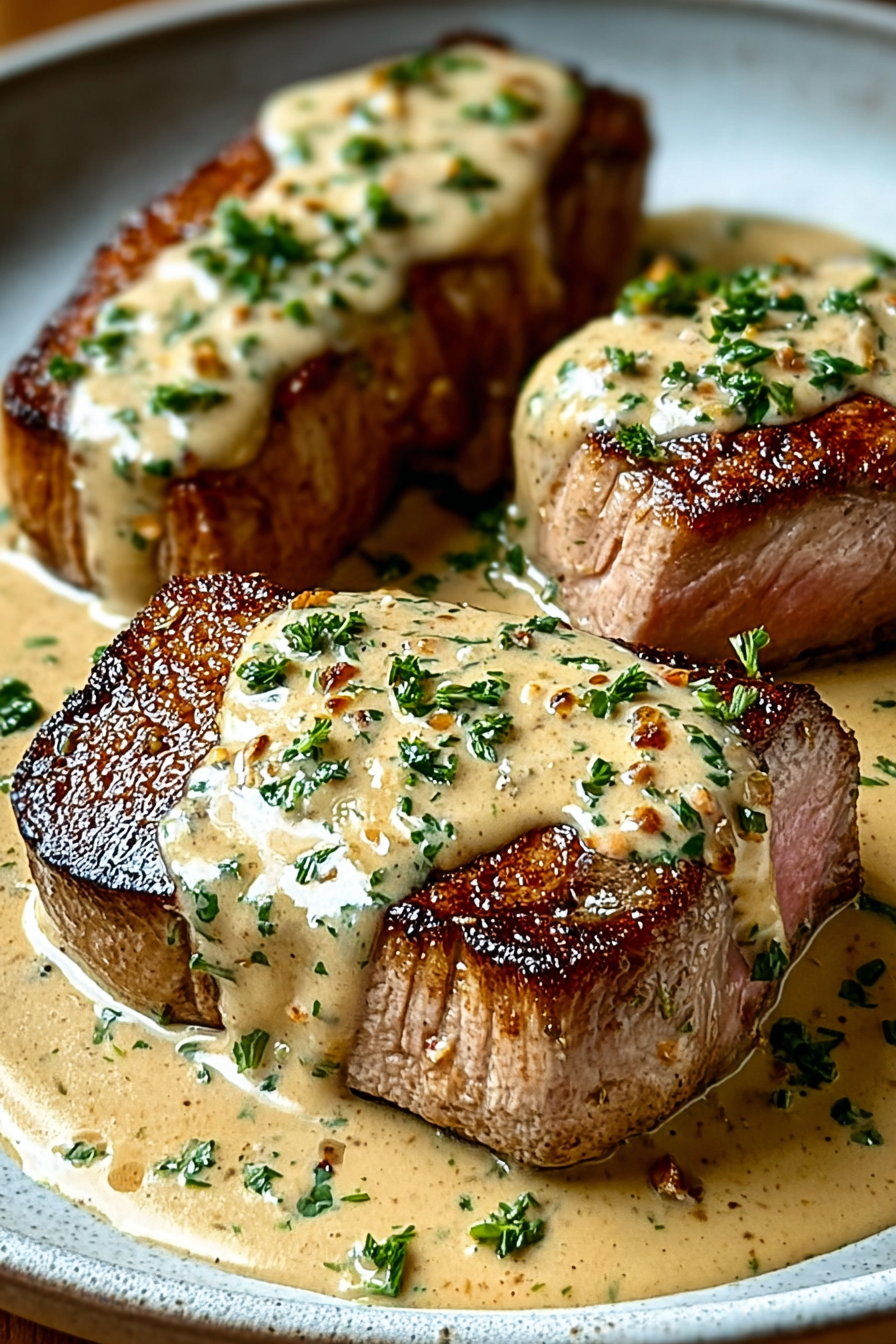
Picture this: a perfectly seared beef tenderloin, its crust a symphony of savory goodness, sliced to reveal a rosy, tender interior. Then, a luscious Dijon cream sauce, tangy and rich, cascading over the beef, promising an explosion of flavor with every bite. That’s the magic of the **best-ever beef tenderloin with Dijon cream sauce**.
This isn’t just dinner; it’s an experience, a culinary hug on a plate. Imagine serving this to your friends or family, the “oohs” and “aahs” echoing around the table. This recipe transforms ordinary beef tenderloin into a masterpiece, ideal for celebratory dinners, romantic evenings, or whenever you crave a touch of elegance. Get ready to impress, because this dish is unforgettable.
- Effortless elegance: This recipe is surprisingly simple, delivering restaurant-quality results with minimal effort.
- Unforgettable flavor: The combination of perfectly seared beef and tangy Dijon cream sauce creates an explosion of flavor.
- Stunning presentation: The dish is visually stunning, perfect for impressing guests at any special occasion.
- Incredibly versatile: This beef tenderloin pairs beautifully with a variety of sides, from roasted vegetables to creamy mashed potatoes.
Ingredients for Best-Ever beef tenderloin with Dijon cream sauce
Here’s what you’ll need to make this delicious dish:
The full ingredients list, including measurements, is provided in the recipe card directly below.
How to Make Best-Ever beef tenderloin with Dijon cream sauce
Follow these simple steps to prepare this delicious dish:
Step 1: Prepare the Beef Tenderloin
Preheat your oven to 400°F (200°C). Pat the beef tenderloin dry with paper towels. Season generously with salt and freshly ground black pepper. This is the foundation of flavor, so don’t be shy!
Step 2: Sear the Beef
Heat olive oil in a large oven-safe skillet (cast iron is perfect) over high heat. Sear the beef tenderloin on all sides until nicely browned, about 2-3 minutes per side. This creates a beautiful crust and locks in the juices.
Step 3: Roast the Beef
Transfer the skillet to the preheated oven and roast for 20-25 minutes, or until a meat thermometer inserted into the thickest part registers 130-135°F (54-57°C) for medium-rare. Remember, the internal temperature will continue to rise slightly as the beef rests.
Step 4: Rest the Beef
Remove the skillet from the oven and transfer the beef tenderloin to a cutting board. Tent loosely with foil and let rest for at least 10 minutes. This allows the juices to redistribute, resulting in a more tender and flavorful roast.
Step 5: Make the Dijon Cream Sauce
While the beef is resting, melt butter in the same skillet over medium heat. Add the shallots and cook until softened, about 3-4 minutes. Stir in the garlic and cook for another minute until fragrant. Pour in the beef broth and bring to a simmer, scraping up any browned bits from the bottom of the pan. Stir in the heavy cream, Dijon mustard, and thyme. Simmer until the sauce has thickened slightly, about 5-7 minutes.
Step 6: Slice and Serve
Slice the beef tenderloin against the grain and arrange on a serving platter. Spoon the Dijon cream sauce over the beef and garnish with fresh parsley. Serve immediately and prepare for rave reviews!
Perfecting the Cooking Process
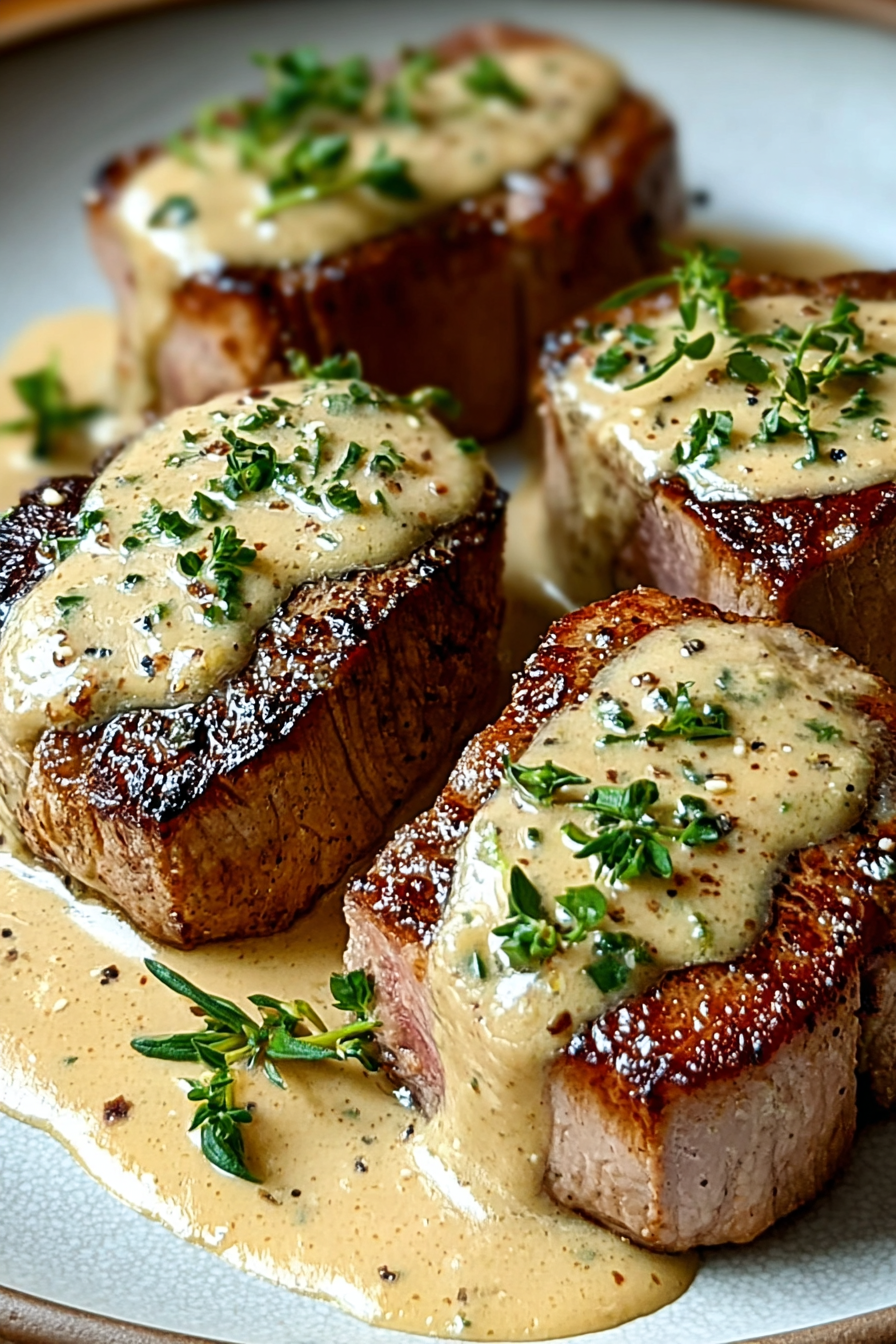
Efficiency is key! Start by prepping all your ingredients. Sear the beef tenderloin to lock in those delicious juices. While the tenderloin rests, whip up that luscious Dijon cream sauce. Finally, slice and serve immediately for the ultimate dining experience.
Add Your Touch
Feeling adventurous? Swap out the Dijon mustard for a grainy mustard for a more rustic flavor. Add a splash of lemon juice to brighten the sauce. For a vegetarian twist, try this sauce over roasted cauliflower steaks. Get creative!
Storing & Reheating
Leftovers are a gift! Store the beef tenderloin and Dijon cream sauce separately in airtight containers in the refrigerator. Reheat gently in a skillet over low heat, or microwave in short bursts to prevent drying. Enjoy!
Here are some tips to elevate your beef tenderloin game:
- Don’t overcrowd the pan when searing. Sear in batches to ensure a beautiful brown crust and maximum flavor development.
- Let the beef tenderloin rest after searing and before slicing. This allows the juices to redistribute, resulting in a more tender and flavorful cut.
- Taste and adjust the seasoning of the Dijon cream sauce. A pinch of salt or a grind of pepper can make all the difference.
(Personal anecdote formated as paragraph subheading)
My family raved about this recipe so much that they requested it for Winter holiday dinner. The rich flavors and tender beef were a total hit! It’s a definite crowd-pleaser.
The Alluring Aroma of Beef Tenderloin: A Culinary Love Story
Let’s talk about the **best-ever beef tenderloin with Dijon cream sauce**. Seriously, folks, this isn’t just a recipe; it’s an experience. A symphony of flavors dancing on your palate, a culinary hug on a chilly evening, a guaranteed way to impress your in-laws (or at least distract them from your questionable life choices). I’ve been making this for years, tweaking it, perfecting it, and now, I’m finally ready to share my secrets with you. And trust me, there are secrets. Not like, “hidden treasure map” secrets, but more like, “a-ha! That’s why my beef tenderloin never tasted this good before!” secrets.
Forget everything you think you know about cooking beef tenderloin. We’re not just slapping a piece of meat on a grill and hoping for the best. We’re embarking on a journey, a delicious, savory journey, and I’m your trusty guide. So grab your apron, sharpen your knives, and prepare to be amazed.
Decoding the Tenderloin: What Makes It So Special?
Beef tenderloin, also known as filet mignon, is the crème de la crème of beef cuts. It’s incredibly tender (hence the name!), boasting a delicate flavor that’s just begging to be enhanced. Unlike tougher cuts that require long, slow cooking, the tenderloin cooks quickly, making it perfect for a weeknight indulgence or a special occasion feast.
But here’s the thing: its delicate nature means it’s also easy to overcook. Nobody wants a dry, leathery tenderloin. That’s a culinary tragedy. That’s why we’re going to treat it with respect, with love, and with a healthy dose of kitchen savvy.
Assembling Your Arsenal: The Ingredient List
Before we dive into the cooking process, let’s gather our ingredients. Quality is key here, folks. Don’t skimp on the beef!
- 2 lb beef tenderloin, trimmed (ask your butcher for the center cut for the best results!)
- 2 tablespoons olive oil (for searing that beautiful crust)
- 1 teaspoon salt (essential for flavor)
- 1/2 teaspoon black pepper (freshly ground, of course!)
- 2 tablespoons butter (because butter makes everything better)
- 1 shallot, finely chopped (for a touch of aromatic magic)
- 1 cup beef broth (low sodium is your friend here)
- 1/2 cup heavy cream (for that luxurious sauce)
- 2 tablespoons Dijon mustard (the star of the show!)
- 1 tablespoon fresh thyme leaves (optional, but highly recommended)
Notice anything missing? That’s right, no questionable ingredients! We’re keeping it wholesome and delicious.
The Dijon Cream Sauce: A Culinary Masterpiece
Now, let’s talk about the Dijon cream sauce. This isn’t just any sauce, people. This is a *sauce*. It’s creamy, tangy, slightly sharp, and utterly addictive. It’s the perfect complement to the tender beef, elevating it to a whole new level of deliciousness.
Crafting the Creamy Dream
1. Melt the butter in the same skillet you used to sear the beef (we want all those flavorful bits!).
2. Add the shallot and cook until softened, about 3-5 minutes. Don’t let it burn!
3. Pour in the beef broth and bring to a simmer, scraping up any browned bits from the bottom of the pan. These browned bits are liquid gold, trust me.
4. Reduce the broth by half, about 5-7 minutes. This concentrates the flavor and thickens the sauce slightly.
5. Stir in the heavy cream and Dijon mustard. Simmer for another 2-3 minutes, until the sauce has thickened to your liking.
6. Stir in the fresh thyme leaves (if using) and season with salt and pepper to taste.
Taste, taste, taste! This is your opportunity to adjust the flavors to your liking. More Dijon for a sharper tang? A pinch of salt to bring out the richness? Go for it!
Searing to Perfection: The Maillard Reaction Magic
The key to a truly exceptional **best-ever beef tenderloin with Dijon cream sauce** lies in the sear. We’re talking about the Maillard reaction, folks. It’s a chemical reaction between amino acids and reducing sugars that gives browned food its distinctive flavor. This is what creates that beautiful, flavorful crust on the outside of the beef.
The Sear-ious Steps
1. Pat the beef tenderloin dry with paper towels. This is crucial! Moisture is the enemy of a good sear.
2. Season generously with salt and pepper. Don’t be shy!
3. Heat the olive oil in a large, heavy-bottomed skillet over high heat until it’s shimmering.
4. Carefully place the beef tenderloin in the hot skillet and sear for 3-4 minutes per side, until a deep brown crust has formed. Don’t move it around! Let it do its thing.
5. Use a meat thermometer to ensure the internal temperature is correct, for Medium rare, cook to 130-135°F (54-57°C).
6. Remove the beef tenderloin from the skillet and let it rest for at least 10 minutes before slicing. This is crucial! Don’t skip this step!
Resting is Key: Patience, Young Padawan
I know, I know, you’re hungry. The aroma is intoxicating. But trust me, resting the beef is essential. During resting, the juices redistribute throughout the meat, resulting in a more tender and flavorful final product. If you skip this step, all those precious juices will run out when you slice it, leaving you with a dry, sad piece of beef.
Slicing and Serving: The Grand Finale
After the beef has rested, it’s time for the grand finale: slicing and serving. Use a sharp knife to slice the beef tenderloin against the grain into 1/2-inch thick slices. This ensures maximum tenderness.
Arrange the slices on a platter and generously drizzle with the Dijon cream sauce. Garnish with fresh thyme leaves, if desired. Serve immediately and prepare for the compliments to roll in.
Beyond the Basics: Side Dish Suggestions
While the **best-ever beef tenderloin with Dijon cream sauce** is delicious on its own, it’s even better when paired with the right side dishes. Here are a few of my favorites:
- Roasted asparagus with Parmesan cheese
- Garlic mashed potatoes
- Creamy polenta
- Wild rice pilaf
- A simple green salad with a vinaigrette
Troubleshooting Tips: Because Life Happens
Even the best cooks encounter hiccups in the kitchen. Here are a few troubleshooting tips to help you navigate any potential pitfalls:
- **Sauce too thin?** Simmer for a few more minutes to reduce the liquid.
- **Sauce too thick?** Add a splash of beef broth or cream to thin it out.
- **Beef overcooked?** Don’t panic! Slice it thinly and smother it with sauce. Nobody will know the difference (probably).
- **Beef undercooked?** Pop it back in the skillet for a few more minutes.
Conclusion for Best-Ever beef tenderloin with Dijon cream sauce :
This Best-Ever beef tenderloin with Dijon cream sauce offers a delightful culinary experience. It’s perfect for special occasions or even a weeknight treat. The rich, creamy sauce complements the tender beef beautifully, creating a symphony of flavors. With the option to prepare elements ahead of time and versatile side dish pairings, this recipe will surely impress your family and friends. So go ahead, indulge in this gourmet delight, and prepare for rave reviews!
Print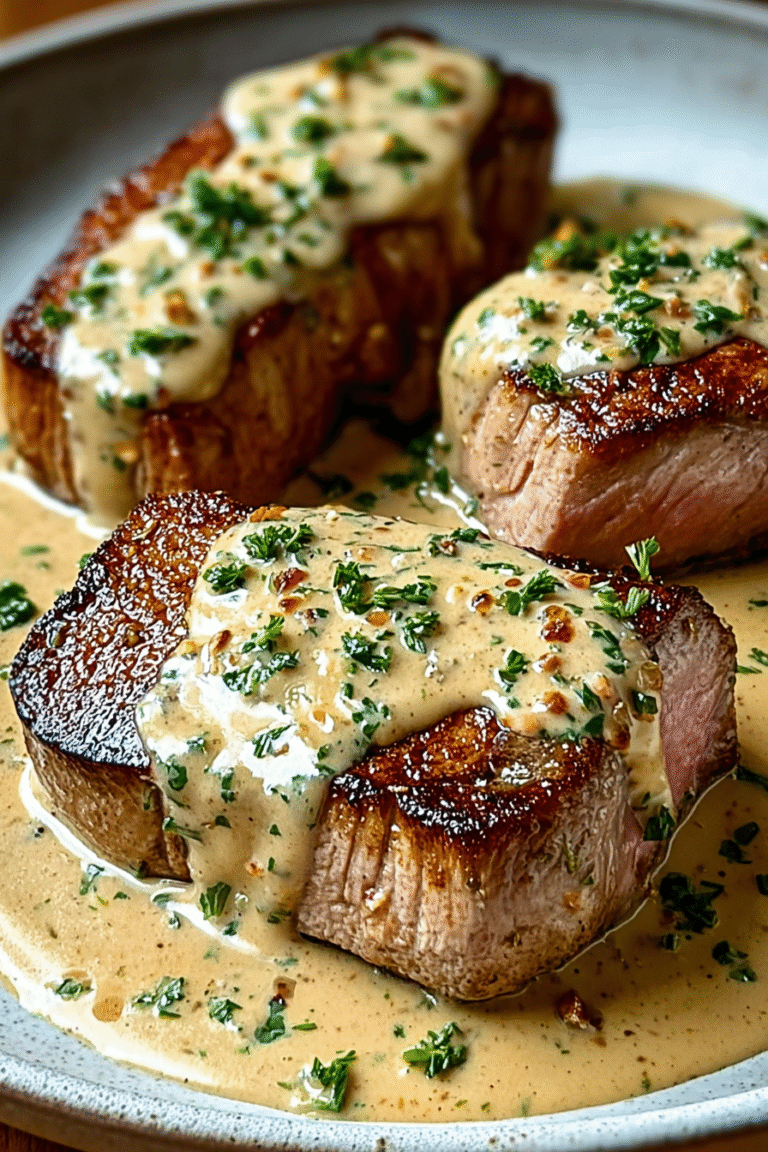
Best-Ever beef tenderloin with Dijon cream sauce
Delicious best-ever beef tenderloin with dijon cream sauce recipe with detailed instructions and nutritional information.
- Total Time: 35 minutes
- Yield: 4 servings 1x
Ingredients
- Beef tenderloin roast, about 3 lbs
- Olive oil, 2 tablespoons
- Salt, 2 teaspoons
- Black pepper, 1 teaspoon
- Butter, 4 tablespoons
- Shallots, minced, 2 tablespoons
- Dry white wine, 1/2 cup
- Heavy cream, 1 cup
- Dijon mustard, 2 tablespoons
- Fresh thyme leaves, 1 tablespoon
Instructions
- Step 1: Preheat oven to 450°F (232°C). Pat the beef tenderloin dry with paper towels. Rub with olive oil, then season generously with salt and pepper.
- Step 2: Heat an oven-safe skillet (cast iron is ideal) over high heat until smoking hot. Sear the tenderloin on all sides, about 2-3 minutes per side, until a deep brown crust forms.
- Step 3: Transfer the skillet to the preheated oven and roast for 18-22 minutes for medium-rare, or longer depending on desired doneness. Use a meat thermometer to check for an internal temperature of 130°F (54°C) for medium-rare.
- Step 4: Remove the tenderloin from the oven and let it rest for at least 10 minutes before slicing. While the tenderloin rests, prepare the Dijon cream sauce.
- Step 5: In the same skillet (after removing excess fat), melt butter over medium heat. Add minced shallots and cook until softened, about 2 minutes. Pour in the white wine and simmer until reduced by half, scraping up any browned bits from the bottom of the pan.
- Step 6: Stir in the heavy cream and Dijon mustard. Bring to a simmer and cook until the sauce has thickened slightly, about 3-5 minutes. Stir in the fresh thyme leaves. Slice the beef tenderloin and serve immediately, drizzled with the Dijon cream sauce.
Notes
- Refrigerate leftover tenderloin tightly wrapped for up to 3 days, but remember the texture is best when freshly cooked.
- Gently reheat sliced tenderloin in the Dijon cream sauce over low heat to prevent it from drying out.
- Serve the sliced tenderloin with roasted asparagus or garlic mashed potatoes for a complete and elegant meal.
- Don't overcrowd the skillet when searing; searing in batches ensures a better crust and prevents the pan from cooling down too much.
- Prep Time: 15 minutes
- Cook Time: 20 minutes
- Method: Stovetop
- Cuisine: American
FAQs :
Can I prepare the beef tenderloin with Dijon cream sauce ahead of time?
You absolutely can! Prepare the Dijon cream sauce a day in advance and store it in the refrigerator. On the day of, simply cook your beef tenderloin and then reheat the sauce gently on the stovetop while the beef rests. This trick saves you precious time, especially if you’re expecting company or need a delicious meal ready with minimal fuss. Remember that a little preparation goes a long way in achieving a stress-free and utterly divine dish.
What side dishes go well with the Best-Ever beef tenderloin with Dijon cream sauce?
Ah, the side dish dilemma! Creamy mashed potatoes, roasted asparagus, or a simple green salad all complement the richness of the beef tenderloin and Dijon cream sauce. The potatoes soak up the delicious sauce, while the asparagus provides a fresh, crisp counterpoint. If you are feeling adventurous, try a wild rice pilaf with dried cranberries and pecans for a touch of sweetness and texture that elevates the entire meal to a truly amazing experience.
What is the best way to ensure my beef tenderloin is cooked to the correct doneness?
A meat thermometer is your best friend! Insert it into the thickest part of the tenderloin, avoiding any bones or fat. For medium-rare, aim for an internal temperature of 130-135°F (54-57°C); for medium, 135-140°F (57-60°C); and for medium-well, 140-145°F (60-63°C). Remember that the beef will continue to cook slightly as it rests, so pull it off the heat a few degrees before your desired doneness. The resting period is crucial for a juicy and flavorful result.
Can I use a different cut of beef if I don’t have beef tenderloin for the Best-Ever beef tenderloin with Dijon cream sauce?
While beef tenderloin is the star of the show, you can use a different cut if needed. Sirloin steak or even a thick-cut ribeye can work in a pinch. Keep in mind that cooking times may vary depending on the thickness and cut of the beef. Adjust accordingly and always use a meat thermometer to ensure it reaches your desired level of doneness. The Dijon cream sauce is so flavorful that it will elevate almost any beef cut you choose!



Leave a Comment