

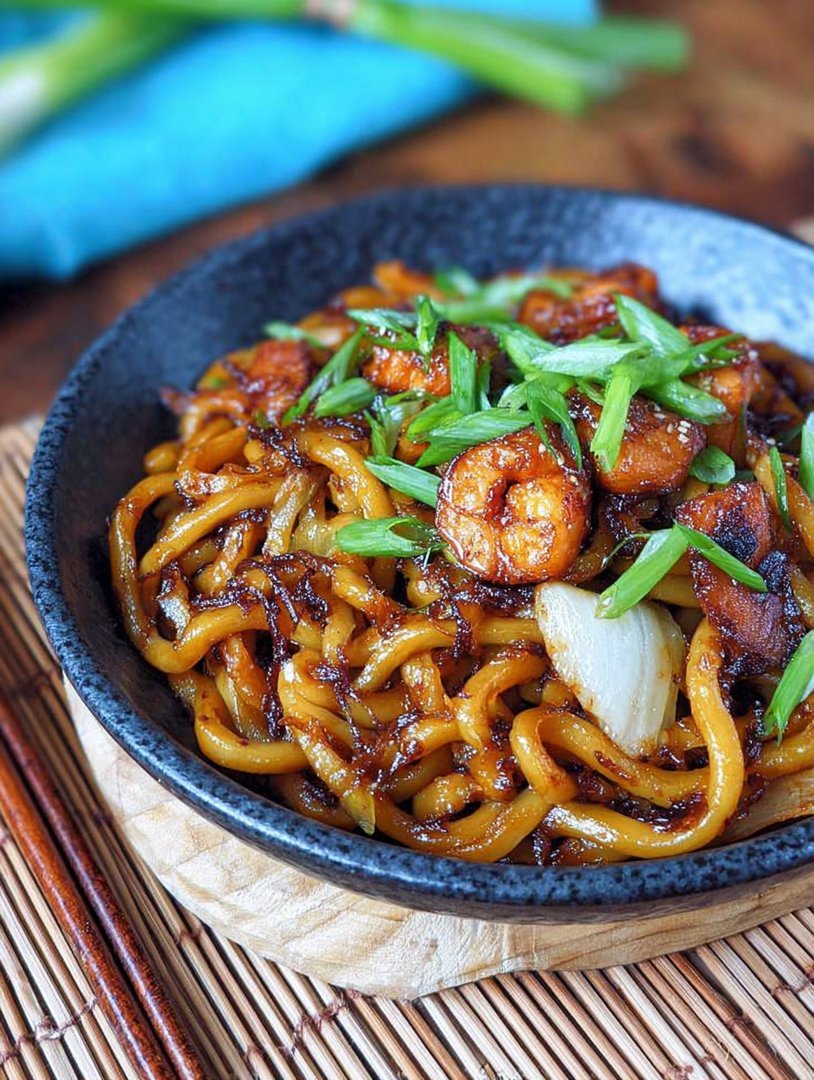
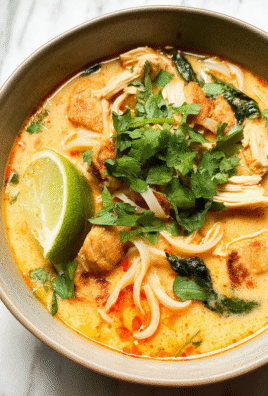
Remember swearing off cooking beyond instant ramen? Get ready for a delicious surprise. We’re creating The Best Yaki Udon, a dish so satisfying it will truly redefine your noodle world. Imagine plump, chewy udon, bathed in a savory-sweet sauce, tossed with vibrant vegetables and tender chicken. It’s a flavorful journey, perfect for quick weeknights or a delightful cooking escapade.
- This incredible recipe whips up in under 30 minutes, proving that exceptional flavor doesn’t always demand an entire afternoon in the kitchen.
- Experience a harmonious blend of savory umami, subtle sweetness, and a delightful tang, creating a truly unforgettable and satisfying meal.
- The vibrant medley of colorful vegetables, glistening noodles, and tender protein creates a dish as beautiful to behold as it is delicious.
- Easily customize this stir-fried udon with your preferred protein or seasonal produce, making it an incredibly versatile and adaptable recipe.
Ingredients for The Best Yaki Udon
Here’s what you’ll need to make this delicious dish:
- Udon NoodlesOpt for fresh or frozen udon, as they have a superior chewy texture compared to dried versions, which can sometimes be a bit flimsy.
- Chicken Breast or ThighsCut into thin strips or bite-sized pieces for quick cooking and even distribution throughout your stir-fry.
- Assorted VegetablesA vibrant mix like sliced carrots, bell peppers, shiitake mushrooms, and snap peas adds color, crunch, and essential nutrients.
- Yellow OnionSliced thinly, it provides a foundational aromatic sweetness that complements the savory sauce beautifully.
- Garlic and GingerFreshly minced, these aromatics are non-negotiable for building the complex, warm flavors characteristic of Asian stir-fries.
- Soy SauceEssential for that deep umami flavor. Choose a high-quality brand for the best results in your sauce.
- Non-alcoholic Apple Juice With Sugar or Rice Vinegar with SugarProvides the necessary sweetness and tang without any alcohol, balancing the savory notes perfectly.
- Brown SugarA touch of brown sugar enhances the sauce’s sweetness and helps it caramelize beautifully on the noodles.
- Vegetable BrothUsed to thin the sauce to the perfect consistency, ensuring it coats every ingredient without being too thick.
- Vegetable OilA high smoke point oil like canola or grapeseed is ideal for stir-frying, ensuring your ingredients cook perfectly without burning.
- Garnish (Optional)Sesame seeds or chopped green onions add a final touch of flavor and visual appeal to your finished dish.
The full ingredients list, including measurements, is provided in the recipe card directly below.
How to Make The Best Yaki Udon
Follow these simple steps to prepare this delicious dish:
Step 1: Prep Your Ingredients and Sauce
First, ensure all your vegetables are sliced and ready to go; stir-frying moves fast! In a small bowl, whisk together the sauce ingredients: soy sauce, brown sugar, non-alcoholic apple juice with sugar or rice vinegar with a pinch of sugar, and vegetable broth. This ensures a perfectly balanced, savory-sweet concoction.
Step 2: Cook the Udon Noodles
Bring a large pot of water to a boil. Add the udon noodles and cook according to package directions until they are tender yet still wonderfully chewy. Drain them thoroughly and rinse quickly with cold water to prevent sticking, then set aside.
Step 3: Stir-Fry the Chicken
Heat a large skillet or wok over medium-high heat with a tablespoon of vegetable oil. Add the chicken strips and stir-fry until they are fully cooked through and lightly golden. Remove the cooked chicken from the pan and set it aside, leaving any flavorful drippings behind.
Step 4: Sauté the Aromatics and Vegetables
Add a little more oil to the hot pan if needed. Toss in the sliced yellow onion and cook for 2-3 minutes until softened and fragrant. Next, add the minced garlic and ginger, stirring constantly for about 30 seconds until aromatic, being careful not to burn them. Add the harder vegetables like carrots and bell peppers, stir-frying for 3-4 minutes until they begin to soften but still retain a slight crispness. Finally, incorporate the shiitake mushrooms and snap peas, cooking for another 2 minutes.
Step 5: Combine Everything with the Sauce
Return the cooked chicken to the skillet with the vegetables. Add the drained udon noodles. Pour the prepared sauce evenly over everything. Toss vigorously with tongs, ensuring the noodles and vegetables are thoroughly coated in the glorious sauce. Continue to cook for another 2-3 minutes, allowing the sauce to thicken slightly and everything to heat through.
Transfer to plates and garnish with a sprinkle of sesame seeds or chopped green onions for the perfect finishing touch, ready to be devoured.
Making Yaki Udon Your Own: Customization & Creativity
One of the most wonderful aspects of this stir-fried udon is its incredible adaptability. Think of this recipe as your culinary playground – a robust foundation upon which you can build endless variations. This flexibility ensures this savory noodle dish can truly become your signature, tailored precisely to your tastes and available ingredients.
Protein Power-Ups
While we love tender chicken in our Yaki Udon, don’t hesitate to experiment. Thinly sliced beef sirloin or flank steak adds a richer profile. For a lighter touch, succulent shrimp or firm tofu cubes (pan-fried until golden) integrate seamlessly, offering fantastic texture and absorbing the sauce. Remember to cook your chosen protein almost done before adding vegetables for even timing.
Vegetable Ventures
Beyond our suggested carrots, bell peppers, mushrooms, and snap peas, a world of possibilities awaits. Broccoli florets, sliced bok choy, baby corn, water chestnuts, or edamame can be fantastic additions. Consider a handful of fresh spinach or napa cabbage right at the end for a quick wilt. The key is cutting all vegetables to a similar size for even cooking and delightful mixed textures. Raid your fridge for inspiration!
Mastering Your Stir-Fry: Tips for Success
Stir-frying might seem daunting, but with simple tricks, you’ll toss ingredients like a pro. The goal is high heat and constant motion, ensuring ingredients cook quickly and evenly, developing that desirable caramelized char without becoming soggy. This technique brings out the vibrant flavors and crisp textures that define The Best Yaki Udon.
Heat Management is Key
The cardinal rule of stir-frying is a very hot pan or wok. High heat quickly sears ingredients, locking in moisture and flavor. Don’t overcrowd the pan; cook in batches if necessary, especially chicken, to maintain consistent heat. Overcrowding leads to steamed rather than stir-fried results. Patience in batch cooking yields superior results for your savory noodle dish.
Prep Everything Ahead of Time
Mise en place, or “everything in its place,” is essential for stir-frying. Chop all vegetables, mince aromatics, measure sauce ingredients, and have cooked udon ready before the stove turns on. Cooking moves very quickly, so you won’t have time to stop. This organized approach ensures a smooth, stress-free experience and prevents anything from burning.
Storing and Reheating Your Delicious Yaki Udon
Leftovers of this incredible stir-fried udon are a rare treat, should you be lucky enough to have any! Properly stored, this dish maintains its fantastic flavor and texture for a couple of days, perfect for meal prep or a quick lunch. Enjoy this delightful Yaki Udon even when short on time.
Enjoying Leftovers
Allow any leftover Yaki Udon to cool completely before transferring to an airtight container. Refrigerate promptly within two hours of cooking; it keeps well for up to 3 days. To reheat, the best method is gently on the stovetop. Place in a non-stick skillet over medium heat, adding a splash of water or vegetable broth to loosen. Stir frequently until heated through, or use a microwave in 30-second intervals. Avoid overcooking. A little extra sauce can always be added if too dry.
So, there you have it: your comprehensive guide to creating The Best Yaki Udon right in your own kitchen. It’s a dish that promises vibrant flavors, satisfying textures, and a cooking experience that’s as enjoyable as the meal itself. Go forth and stir-fry!
The Accidental Discovery of Sunshine on a Plate
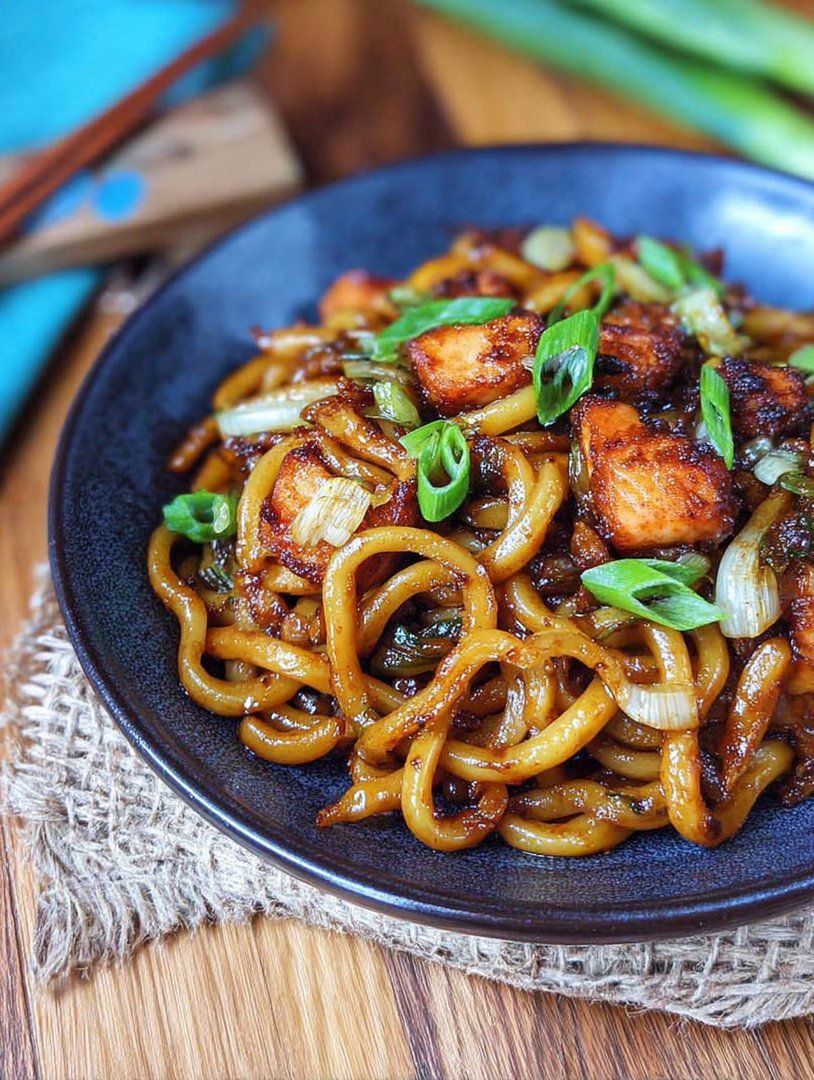
I remember a dreary Tuesday evening, feeling utterly uninspired by dinner prospects. Then, a friend presented me with a bowl of steaming Yaki Udon. One bite, and suddenly, the kitchen transformed into a vibrant Tokyo street food stall, brimming with unexpected joy and delightful surprise.
That first encounter with Yaki Udon wasn’t just a meal; it was an awakening. I had always admired Japanese cuisine from afar, intimidated by its perceived complexity. Yet, this dish, with its thick, chewy noodles and savory sauce, felt like a warm, comforting hug. It was simple, yet profound, bursting with umami and fresh flavors. From that moment, I became obsessed with recreating that magic, determined to share what I now confidently call The Best Yaki Udon with everyone.
The Allure of Udon Noodles
What makes udon so special? It’s all about that glorious chew. These thick, wheat-flour noodles have a unique elasticity that stands up beautifully to stir-frying. They soak up the rich, savory sauce without becoming mushy, providing the perfect textural backbone to the dish. Their substantial nature means they are incredibly satisfying, turning a simple stir-fry into a hearty meal. Preparing them correctly is key; a quick blanch ensures they are pliable and ready to absorb all the deliciousness.
Unlocking the Umami Magic
The secret to incredible Yaki Udon lies not only in the noodles but also in the carefully balanced sauce. Our recipe combines traditional Japanese flavors like soy sauce and apple juice with sugar with a touch of sweetness and depth, creating a symphony for your taste buds. This sauce clings to every strand of udon and every piece of vegetable, ensuring a flavorful bite every time. It is this masterful blend that elevates the dish from good to truly unforgettable, making it a staple in my kitchen.
Perfecting the Cooking Process
For ultimate efficiency and amazing results, start by searing your chosen protein until perfectly golden. Next, blanch the udon noodles quickly. While they drain, swiftly stir-fry your vegetables, then combine everything with the noodles and the luscious sauce in the wok for a final, flavorful toss.
Cooking Yaki Udon is less about complicated techniques and more about precise timing and high heat. Think of your wok or large skillet as a culinary conductor, orchestrating a symphony of ingredients. High heat ensures a beautiful char on your protein and vegetables, locking in their natural sweetness and creating those irresistible caramelized edges. This method also prevents the vegetables from becoming watery, keeping them crisp-tender and vibrant.
Ingredient Prep: The Unsung Hero
Before you even think about turning on the stove, gather and prepare all your ingredients. This is called “mise en place,” and it is your secret weapon for success with stir-fries. Chop all your vegetables, measure your sauce ingredients, and have your protein ready. This meticulous preparation ensures a smooth, stress-free cooking experience, allowing you to focus on the magic happening in the pan without scrambling for ingredients. A well-prepared kitchen leads to a perfectly executed dish.
The Wok Wizardry
The sequence of adding ingredients to your wok is crucial for achieving that authentic Yaki Udon flavor and texture. Begin with your protein, searing it quickly to develop flavor. Remove it, then add the aromatics, followed by the harder vegetables, cooking them until they begin to soften. Introduce the softer vegetables next, then the blanched noodles. Finally, return the protein to the pan and pour in the sauce, tossing vigorously until everything is coated and heated through. This layered approach ensures each ingredient cooks perfectly without overdoing it.
Add Your Touch
Feel free to customize this Yaki Udon! Swap chicken for succulent beef or savory lamb. Experiment with different vegetables like asparagus or bell peppers. Adjust the sauce with a dash of rice vinegar for tang or a pinch of red pepper flakes for heat to truly make it your own.
One of the beautiful aspects of stir-fries is their incredible adaptability. This recipe for Yaki Udon serves as a fantastic blueprint, but your kitchen is your canvas. Don’t be afraid to experiment with different proteins, vegetables, and even sauce enhancements to match your personal preferences or what you have on hand. It’s a wonderful way to reduce food waste and discover new favorite flavor combinations.
Protein Power-Ups
While chicken is a classic choice, don’t limit yourself! Thinly sliced beef sirloin or flank steak can provide a rich, robust flavor. Ground turkey or lamb offers a different texture and taste profile. For a plant-based option, firm tofu or tempeh, pressed and pan-fried until crispy, works wonderfully. Just ensure your protein is cut into bite-sized pieces for even cooking and easy eating.
Vegetable Variety
Beyond the standard cabbage and carrots, the world of vegetables is your oyster. Broccoli florets, snap peas, sliced mushrooms, baby corn, or even a handful of spinach at the very end can add color, nutrition, and different textures. Seasonal vegetables often offer the best flavor, so embrace what’s fresh and available. Remember to cut them similarly in size so they cook evenly.
Sauce Sensations
If you crave a little extra kick, a dash of sriracha or chili garlic sauce can wake up the sauce. For a touch of sweetness, a tiny bit of maple syrup or agave nectar can be added. A squeeze of lime juice at the end brightens all the flavors. You could also swirl in a spoonful of nut butter for a creamier, richer sauce with an Asian twist. Play around until you find your perfect balance.
Storing & Reheating
Store any leftover Yaki Udon in an airtight container in the refrigerator for up to three days. For the best reheating experience, gently warm it in a skillet over medium heat with a splash of broth or water until piping hot, ensuring the noodles retain their delightful chewiness.
Leftovers of this amazing Yaki Udon are a true treat! Sometimes, the flavors even deepen overnight, making the next day’s meal just as enjoyable, if not more so. Proper storage is key to maintaining both taste and safety, while smart reheating ensures your noodles don’t turn into a sad, soggy mess. Nobody wants that after putting in all that effort.
Cooling Down Safely
After enjoying your meal, allow any remaining Yaki Udon to cool down to room temperature within two hours. Dividing larger portions into smaller, shallower containers helps it cool faster and more evenly. Never leave it out on the counter for extended periods, as this can encourage bacterial growth.
The Fridge Life
Once cooled, transfer your Yaki Udon to an airtight container. This protects it from absorbing other fridge odors and prevents it from drying out. Properly stored, it will maintain its quality for about 2-3 days. While it might still be edible beyond that, the texture and flavor will start to diminish.
Reviving Your Leftovers
When you’re ready to enjoy your Yaki Udon again, a quick stovetop reheat is usually best. A microwave can work, but sometimes it makes the noodles a bit tough or unevenly heated. Adding a tablespoon or two of water or broth to the pan while reheating helps to loosen the noodles and reintroduce moisture, preventing dryness and bringing back that delightful elasticity. Heat until thoroughly warmed through.
Crafting The Best Yaki Udon truly becomes an art once you master a few key techniques:
-
Always blanch your udon noodles first, then rinse them under cold water. This stops the cooking process, removes excess starch, and prevents them from sticking together.
-
Ensure your wok or skillet is screaming hot before adding any ingredients. This high heat creates fantastic caramelization on proteins and vegetables, locking in maximum flavor.
-
Don’t overcrowd the pan! Cook in batches if necessary, especially with protein and vegetables, to ensure everything sears instead of steaming, achieving that perfect crisp-tender texture.
My grandmother once told me, “Cooking is love made visible,” and this Yaki Udon definitely makes me feel that way. Sharing a steaming bowl with friends always brings smiles, reminding me of that first magical bite and how good food connects us all.
Conclusion for The Best Yaki Udon
From a chance encounter to a cherished recipe, The Best Yaki Udon offers a perfect blend of comfort and vibrant flavor. This article has guided you through its accidental discovery, emphasized the critical cooking steps, and encouraged creative customization to make it uniquely yours. We also covered essential tips for ingredient preparation, high-heat cooking, and proper storage and reheating, ensuring every batch you make is a resounding success. This dish proves that simple ingredients, handled with care and a little bit of culinary courage, can create something truly extraordinary. Embrace the chew of the noodles, the savoriness of the sauce, and the joy of a homemade meal. Go ahead, transform your kitchen into a hub of deliciousness!
Print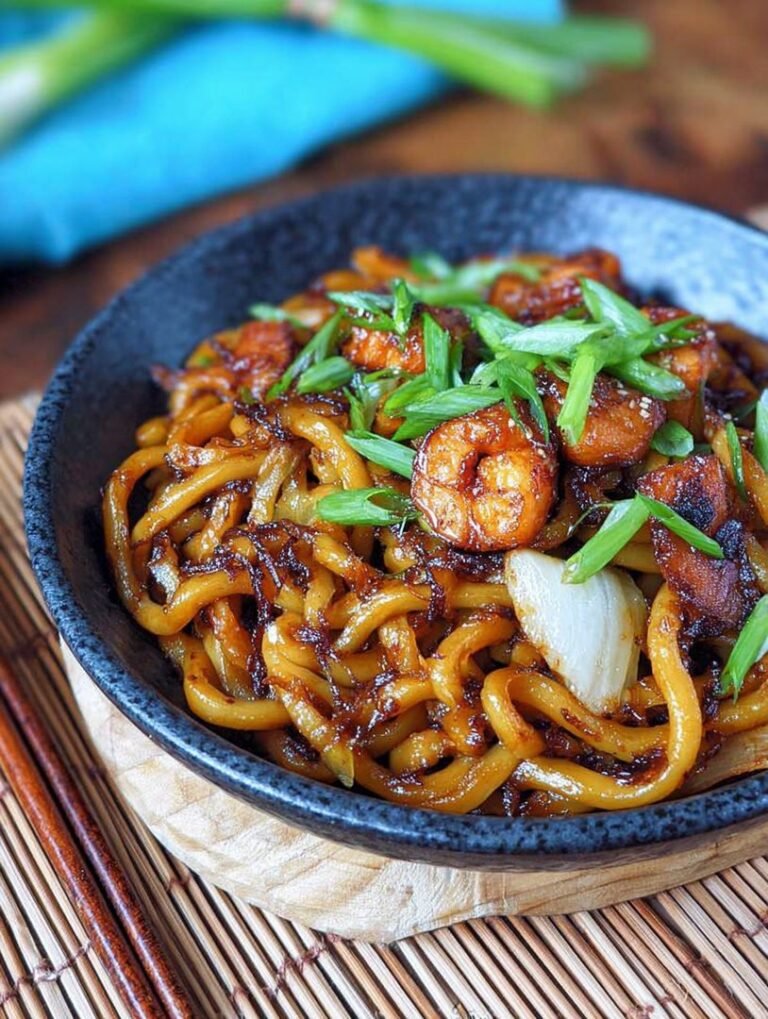
The Best Yaki Udon
Master “The Best Yaki Udon”! Savor superior chewy noodles, tender chicken, and vibrant veggies infused with fresh ginger and garlic. This quick, satisfying stir-fry bursts with complex flavors.
- Total Time: 35 minutes
- Yield: 4 servings
Ingredients
- Udon NoodlesOpt for fresh or frozen udon, as they have a superior chewy texture compared to dried versions, which can sometimes be a bit flimsy.
- Chicken Breast or ThighsCut into thin strips or bite-sized pieces for quick cooking and even distribution throughout your stir-fry.
- Assorted VegetablesA vibrant mix like sliced carrots, bell peppers, shiitake mushrooms, and snap peas adds color, crunch, and essential nutrients.
- Yellow OnionSliced thinly, it provides a foundational aromatic sweetness that complements the savory sauce beautifully.
- Garlic and GingerFreshly minced, these aromatics are non-negotiable for building the complex, warm flavors characteristic of Asian stir-fries.
- Soy SauceEssential for that deep umami flavor. Choose a high-quality brand for the best results in your sauce.
- Non-alcoholic Apple Juice With Sugar or Rice Vinegar with SugarProvides the necessary sweetness and tang without any alcohol, balancing the savory notes perfectly.
- Brown SugarA touch of brown sugar enhances the sauce's sweetness and helps it caramelize beautifully on the noodles.
- Vegetable BrothUsed to thin the sauce to the perfect consistency, ensuring it coats every ingredient without being too thick.
- Vegetable OilA high smoke point oil like canola or grapeseed is ideal for stir-frying, ensuring your ingredients cook perfectly without burning.
- Garnish (Optional)Sesame seeds or chopped green onions add a final touch of flavor and visual appeal to your finished dish.
Instructions
- Step 1: Prep Your Ingredients and Sauce
- Step 2: Cook the Udon Noodles
- Step 3: Stir-Fry the Chicken
- Step 4: Sauté the Aromatics and Vegetables
- Step 5: Combine Everything with the Sauce
Notes
- Store any leftover Yaki Udon in an airtight container in the refrigerator for up to 2-3 days; the noodles will continue to absorb the sauce, but the flavors deepen beautifully.
- To best revive your Yaki Udon, gently reheat it in a skillet over medium heat with a splash of water or vegetable broth, stirring frequently until warmed through and the noodles are tender once more.
- Serve your Yaki Udon hot and fresh, enhancing its appeal and taste with a generous sprinkle of toasted sesame seeds and freshly chopped green onions, perhaps alongside a drizzle of sriracha for a spicy kick.
- For that authentic, superior texture, always opt for fresh or frozen udon noodles, and ensure your vegetables are prepped and added quickly to the stir-fry to keep them wonderfully crisp and colorful.
- Prep Time: 15 minutes
- Cook Time: 20 minutes
- Method: Stovetop
- Cuisine: American



Leave a Comment