

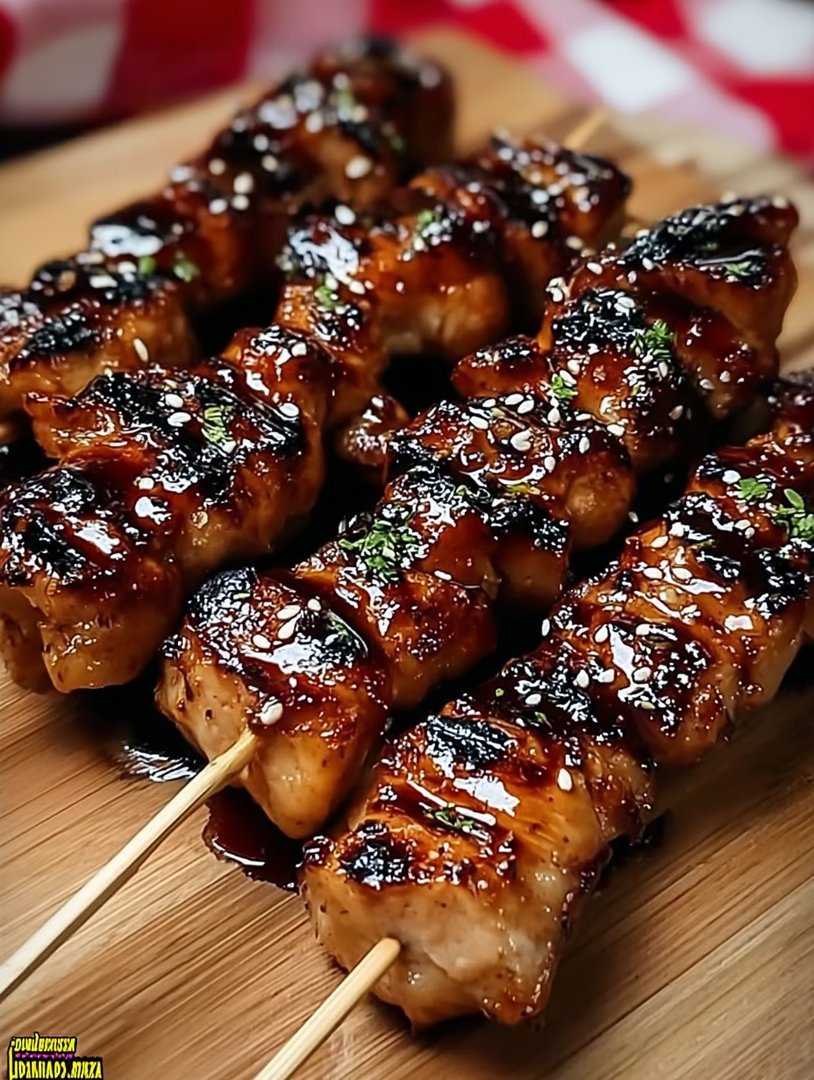
If I told you that smoky, sweet, and savory street food glory could happen in your kitchen faster than you can find a parking spot, would you believe me? Imagine the scent of caramelized soy dancing around your home. That’s the magic ofEasy Chicken Yakitori Skewers.
Forget complicated grilling; we are bringing the Japanese festival vibe right to your backyard patio. This recipe delivers big flavor with minimal fuss, making it the ideal weeknight hero.
- Flavor Profile: Experience a perfect balance of sweet, salty, and umami flavors, enhanced by a deep, glossy glaze that is utterly irresistible.
- Ease of Preparation: This recipe simplifies the classic technique, ensuring even beginner cooks can achieve restaurant-quality grilled chicken quickly and easily.
- Visual Appeal: The beautiful char marks and the rich, dark glaze make these skewered morsels stunning, perfect for any casual gathering or weeknight dinner.
- Versatility: These skewers pair wonderfully with steamed rice, fresh salads, or grilled vegetables, making them a fantastic, adaptable addition to any meal rotation.
Why You Need Easy Chicken Yakitori Skewers in Your Life
There is a specific moment that defines my love for Japanese cooking. It wasn’t in a fancy restaurant; it was standing next to a tiny, steaming charcoal grill on a chilly evening, waiting impatiently for those irresistible chicken skewers. The vendor, an ancient gentleman with hands stained permanently dark from years of handling tare (the foundational yakitori sauce), handed me a perfectly glazed stick. That first bite was a revelation—crispy edges, juicy meat, and a deep, complex sweetness that felt ancient and brand new all at once.
The problem is, recreating that authentic street food experience can feel intimidating. Many recipes demand specialized grills and countless hours reducing sauce. But who has time for that after a long Monday? I certainly don’t. I discovered that with a few smart shortcuts, you can capture 95% of that legendary flavor with only 5% of the effort. These simple chicken yakitori skewers are designed for the modern cook who craves gourmet flavor without the gourmet fuss. We are talking minimal ingredients, maximum impact, and absolutely no culinary degrees required. If you can thread chicken onto a stick, you are already halfway to success. This recipe is your fast track to weeknight glory, proving that fantastic global flavors are easily achievable in any home kitchen, even if your “grill” is just your broiler setting.
The secret lies less in fancy technique and more in the quality of the glaze and the precision of the cut. We are looking for uniform pieces of meat that cook quickly and evenly, ensuring every bite is moist and tender. Forget dry, overcooked poultry; we are aiming for perfection every time. Plus, the smell alone as this sauce caramelizes under the heat is reason enough to make it.
The Secret to the Perfect Yakitori Glaze
The magic potion behind any great yakitori is the tare—the thick, glossy sauce used for basting and finishing. While traditional tare often uses rice vinegar with sugar (rice cooking beverage), we achieve that deep, complex sweetness using substitutes that maintain the sticky texture and balanced flavor profile. Our glaze relies on high-quality soy sauce, a touch of brown sugar for caramelization, some robust rice vinegar for tang, and a little grape juice reduction to mimic the subtle fruitiness often found in the classic recipes. The key to the sauce’s success is patience during the reduction process; you want it thick enough to cling lovingly to the chicken, creating a deep mahogany coating as it cooks.
Start by combining the ingredients in a small saucepan. Bring the mixture to a gentle simmer, stirring frequently. Resist the urge to crank the heat, or you risk burning the sugars. Let it reduce slowly over medium-low heat for about 15 to 20 minutes, or until the sauce can coat the back of a spoon. It should reduce by about one-third, becoming wonderfully viscous and highly aromatic. Remember, this glaze is both a marinade component and a finishing sauce, so make sure you save some aside for brushing on at the very end.
Choosing the Right Chicken Cut
While chicken breast is certainly lean, it often falls short in the juiciness department when grilled quickly. For truly authentic and succulent yakitori, you want to use chicken thighs. Chicken thigh meat possesses the perfect ratio of fat to muscle, which keeps the interior incredibly moist even when cooked over high heat. The slightly marbled fat renders beautifully, adding richness and flavor to every bite. If you absolutely must use chicken breast, cut it into slightly larger cubes and reduce the cooking time to prevent dryness. However, trust me, opting for boneless, skinless chicken thighs will elevate your skewers from good to glorious. Cut the chicken into uniform 1-inch cubes. Uniformity is critical here because uneven pieces lead to uneven cooking—you do not want one piece raw while the piece next to it is dry. Slice the chicken against the grain for maximum tenderness.
Mastering the Art of Skewering
Skewering might seem like a straightforward task, but there is a technique involved to ensure stability and proper cooking. First, if you are using wooden skewers, you must soak them in water for at least 30 minutes before grilling or broiling. Skipping this step is a fast way to achieve chicken on fire, which is excellent for storytelling but terrible for dinner. Soaking prevents the wood from burning and splintering under high heat. Next, when threading the chicken cubes, gently press them together, but do not pack them too tightly. Leave just a tiny bit of space between each piece—this slight gap allows the heat to circulate fully, ensuring every surface gets kissed by the flame or heating element, promoting even cooking and optimal caramelization of the glaze. Typically, four to five pieces of chicken per skewer is the sweet spot for a standard 10-inch skewer.
The technique for basting is also crucial. Unlike BBQ where you might drench the meat early, we use the glaze strategically. Initially, you grill the chicken plain or with only a light coating. This allows the exterior to firm up and slightly char. Only during the last few minutes of cooking do you apply the tare. If you baste too early, the high sugar content in the glaze will burn before the chicken is cooked through. We aim for caramelization, not combustion. Brush the glaze on during the final two flips, letting it set quickly to create that desirable dark, sticky crust.
Grilling vs. Broiling: Which Method Wins?
If you have access to an outdoor grill, especially one using charcoal, that is the gold standard for yakitori. Charcoal imparts an unmatched smoky depth that truly defines the dish. Preheat your grill to medium-high heat. Grill the skewers for about 4–5 minutes per side, rotating frequently. Start basting during the last 3–4 minutes of the total cooking time.
However, if you live in an apartment or are just dealing with unpredictable weather (a common occurrence, I assure you), the broiler is your best friend and a phenomenal substitute. Preheat your broiler to high and position the oven rack about six inches from the heat source. Line a baking sheet with foil for easy cleanup. Broil the skewers for 3–4 minutes, then flip them, brush with glaze, and broil for another 2–3 minutes. Flip, brush again, and cook until the internal temperature of the chicken reaches 165°F (74°C). The intense, direct heat of the broiler mimics the quick, searing action of a grill, achieving those critical crispy edges and beautiful glaze setting without having to brave the elements or fight the charcoal gods.
Ingredients for Easy Chicken Yakitori Skewers
Here’s what you’ll need to make this delicious dish:
- Chicken ThighsBoneless and skinless thighs are recommended for maximum juiciness and flavor retention during the high-heat cooking process.
- Soy SauceUse a high-quality, low-sodium soy sauce as this forms the savory foundation of the traditional yakitori glaze.
- Brown SugarThis provides the sweetness necessary for deep caramelization and balancing the intense saltiness of the soy sauce.
- Rice VinegarA splash of rice vinegar adds essential tang and depth, cutting through the richness and elevating the overall flavor profile of the tare.
- Grape JuiceReduced grape juice helps replicate the subtle fruity notes typically provided by rice vinegar with sugar, without introducing alcohol.
- Fresh Ginger and GarlicThese aromatics are indispensable for adding a layer of warmth and complexity to the simple glaze base.
- Cornstarch SlurryA small amount of cornstarch mixed with cold water can be used to thicken the glaze quickly if it needs a boost after reduction.
- Bamboo SkewersEnsure these are pre-soaked in water if you plan on using the grill or broiler to prevent them from catching fire.
The full ingredients list, including measurements, is provided in the recipe card directly below.
How to Make Easy Chicken Yakitori Skewers
Follow these simple steps to prepare this delicious dish:
Step 1: Prepare the Skewers and Chicken
If using bamboo skewers, soak them in water for at least 30 minutes. Meanwhile, cut the chicken thighs into uniform 1-inch cubes. Thread four to five chicken cubes onto each skewer, ensuring the pieces are snug but not overly packed.
Step 2: Create the Yakitori Tare Glaze
In a small saucepan, combine the soy sauce, brown sugar, rice vinegar, grape juice, minced ginger, and crushed garlic. Bring the mixture to a low simmer over medium-low heat. Reduce the heat and let it simmer gently for 15 to 20 minutes, stirring occasionally, until the sauce has thickened and reduced by about one-third. If the sauce is not thick enough, whisk in a cornstarch slurry (1 teaspoon cornstarch mixed with 2 teaspoons cold water) during the last minute of simmering.
Step 3: Preheat and Prepare for Cooking
Set aside half of the glaze for basting during cooking and the other half for dipping and serving. Preheat your broiler to high, placing the rack about 6 inches from the heating element. Line a sturdy baking sheet with aluminum foil and lightly spray it with nonstick cooking spray.
Step 4: Broil the Skewers (Initial Cook)
Place the skewers on the prepared baking sheet. Broil the chicken for 3 to 4 minutes on the first side until lightly browned. Flip the skewers and broil for another 2 minutes. The chicken should be mostly cooked but not yet glazed.
Step 5: Baste and Finish the Skewers
Remove the tray from the oven. Using a brush, generously coat the broiled side of the chicken with the reserved yakitori glaze. Flip the skewers again and brush the second side heavily. Return the skewers to the broiler and cook for 1 to 2 minutes per side after basting, until the glaze is sticky, bubbly, and caramelized and the internal temperature of the chicken reaches 165°F (74°C).
Step 6: Rest and Serve
Transfer the finished skewers to a serving plate immediately. Let them rest for 5 minutes before serving to retain their moisture. Drizzle with the remaining glaze and sprinkle with chopped scallions for the perfect finishing touch.
Serving Suggestions and Pairing Ideas
WhileEasy Chicken Yakitori Skewersare certainly capable of being the star of the show, they truly shine when paired with supporting cast members. For a classic Japanese experience, serve them alongside a bowl of fluffy, perfectly steamed white rice—the rice is ideal for soaking up any extra glaze that drips off the skewers. A light, vinegar-dressed cucumber salad (sunomono) provides a crisp, cooling contrast to the richness of the chicken. If you are looking to make a more substantial meal, consider pairing the skewers with grilled shishito peppers, brushed with a little soy sauce, or a simple edamame appetizer. A sprinkle of shichimi togarashi (Japanese seven-spice blend) over the finished skewers adds a wonderful textural crunch and a mild, pleasant heat that elevates the entire dish.
Do not forget the garnishes! A generous scattering of thinly sliced scallions (the green parts only) or toasted sesame seeds brightens the presentation and adds a fresh, herbaceous note. These skewers are also fantastic served alongside noodle dishes, like cold soba or warm udon, transforming a simple dinner into a memorable feast. The beauty of this recipe lies in its adaptability; it works equally well as a sophisticated appetizer for a party or a quick, satisfying main course for the family.
Tips for Ultimate Yakitori Success
To ensure your chicken skewers turn out perfectly every time, keep these vital tips in mind. Firstly, consistency in cutting the chicken cannot be overstated. Aim for 1-inch cubes of uniform size; this is the number one secret to preventing dry spots and ensuring everything finishes cooking at the same moment. Secondly, monitor your broiler like a quail. The line between perfect caramelization and outright burning is remarkably thin, especially due to the high sugar content in the glaze. Glaze the chicken only after the first pass under the heat, allowing the chicken to cook most of the way before introducing the sugary coating. Finally, the pre-soaking of the skewers is non-negotiable. If you forget, the ends sticking out of the chicken will turn into tiny torches, adding an unnecessary level of danger to your cooking experience.
If you are making a large batch, consider rotating trays between the racks if your oven runs hot spots. Cooking in two smaller batches is always preferable to overcrowding one pan, as overcrowding leads to steaming instead of searing, sacrificing those crispy, caramelized edges we crave. Always remember to taste and adjust the tare before reducing it. If you prefer a little more tang, add a drop more rice vinegar. If it seems too salty, balance it with a tiny amount more brown sugar. A great chef always tastes their sauce.
Frequently Asked Questions About Yakitori
Can I prepare the chicken skewers ahead of time?
Absolutely. You can skewer the raw chicken up to 24 hours in advance. Store the prepared skewers tightly covered in the refrigerator. However, do not pre-glaze or marinate the chicken in the tare, as the high salt content can draw moisture out of the meat, resulting in tougher skewers.
What can I use instead of grape juice in the glaze?
If you prefer a different sweetness, you can substitute the grape juice reduction with apple juice reduction or even a small amount of maple syrup mixed with a touch of extra water and vinegar to thin it out slightly. The goal is to introduce a background sweetness and subtle fruity note to replicate the traditional complexity.
How do I prevent the chicken from sticking to the foil when broiling?
Ensure you lightly spray the aluminum foil with a high-heat nonstick cooking spray before placing the skewers down. The initial coating helps tremendously. Additionally, do not attempt to flip the skewers until the first side has developed a slight crust, which naturally helps it release from the surface.
Is it necessary to soak bamboo skewers?
Yes, soaking bamboo skewers is crucial, especially when cooking with high heat methods like grilling or broiling. Soaking prevents the exposed wooden ends from charring, splintering, or catching fire during the cooking process, ensuring your dish is safe and pleasant to handle.
The Quest for Weeknight Glory: Why You Need Easy Chicken Yakitori Skewers
Picture this: It’s Tuesday, you’re tired, and the thought of complex cooking sends shivers down your spine. Yet, you crave something profoundly satisfying—something that screams “I know what I’m doing in the kitchen” without requiring you to actually, you know,knowwhat you’re doing. Enter the hero of this story: theEasy Chicken Yakitori Skewers. Forget complicated grilling rituals and hours of prep work; this recipe is pure, sticky, savory-sweet perfection delivered in less time than it takes to decide what to stream tonight.
I first encountered proper yakitori during a disastrous attempt at making homemade sushi (a sticky nightmare I still try to block out). The chicken skewers, however, were an epiphany. They were simple, smoky, and drenched in a glossy, mysterious sauce. My mission ever since has been to crack the code and translate that incredible street-food flavor into a foolproof, weeknight-friendly version. This recipe achieves just that, replacing hard-to-find ingredients and traditional grilling times with efficient steps and accessible pantry staples.
Building the Flavor Fortress: Understanding the Yakitori Glaze
The secret to spectacular yakitori isn’t the chicken itself (though quality chicken helps); it’s the magical, sticky-sweet glaze, traditionally calledtare. Many recipes rely on alcoholic additions for that deep flavor, but we achieve the same savory complexity using non-alcoholic, readily available components. Our tare is a symphony of umami and sweetness, designed to caramelize beautifully without burning, giving these chicken skewers their signature shine.
The Essential Ingredients You Will Need
Gathering your ingredients is the quickest part of this journey. We focus on thigh meat because it stays juicy and tender even under high heat, which is absolutely crucial for perfect skewers. Trust me, nobody wants dry chicken on a stick.
- For the Chicken:
- 1.5 lbs boneless, skinless chicken thighs (cut into 1-inch cubes)
- 1 tablespoon neutral oil (like canola or vegetable)
- Bamboo skewers (soaked in water for at least 30 minutes to prevent scorching)
- For the Tare Glaze (The Magic Sauce):
- 1/2 cup rich soy sauce (low sodium is acceptable)
- 1/4 cup dark brown sugar or honey
- 1/4 cup chicken broth (for depth)
- 2 tablespoons rice vinegar (or apple cider vinegar for tang)
- 1 teaspoon fresh ginger, grated
- 1 clove garlic, minced
- 1 tablespoon cornstarch mixed with 2 tablespoons cold water (slurry)
Preparation: Getting Skewered (In a Good Way)
Preparation is key to grilling success. If you skip soaking the bamboo skewers, you risk turning them into tiny torches, which adds unnecessary drama to dinner. We aim for culinary success, not pyrotechnics.
First, ensure your chicken is uniformly cut. If the pieces are too big, they cook unevenly; too small, and they fall apart. Thread the cubed chicken tightly onto the soaked skewers, aiming for 4–5 pieces per skewer. Do not overstuff them—you need space for heat to circulate and for the beautiful glaze to adhere.
Next, prepare the tare glaze. In a small saucepan, combine all tare ingredients except the cornstarch slurry. Bring the mixture to a gentle simmer over medium heat, stirring until the sugar dissolves completely. Let it simmer lightly for about 5 minutes to allow the flavors to meld. Then, whisk in the cornstarch slurry. Stir constantly until the sauce thickens and coats the back of a spoon. Remove from heat immediately. This rich glaze will be the defining characteristic of your amazingEasy Chicken Yakitori Skewers.
Perfecting the Cooking Process

Start by searing the marinated chicken skewers on high heat for 3–4 minutes per side to lock in the moisture and develop that crucial char. Reduce the heat slightly, then begin brushing the tare glaze onto the skewers during the final cooking stages. This precise timing prevents the sugar in the glaze from burning too quickly while ensuring deep caramelization.
Grilling or Broiling Your Easy Chicken Yakitori Skewers
Whether you use a grill pan, an outdoor grill, or the oven broiler, the technique remains similar: high heat and quick cooking. If grilling outdoors, oil the grates well. If using a broiler, place the rack about 6 inches away from the heating element. Cook the skewers for a total of 10–12 minutes, turning frequently.
Once the chicken is almost cooked through (around the 8-minute mark), the glazing ritual begins. Brush a generous layer of the thick tare onto all sides of the skewers. Wait two minutes, flip, and glaze again. Repeat this process 2–3 times until the chicken is fully cooked (internal temperature of 165°F / 74°C) and completely coated in a rich, sticky, dark mahogany glaze. These truly are irresistible Japanese grilled chicken skewers.
Chef’s Expert Tips for Maximum Flavor
The first time I served these to my skeptical neighbor, who insists nothing tastes good unless it takes four hours, his jaw dropped. He polished off six skewers before even asking for the recipe—a definite sign of success.
I once tried to rush the threading process and ended up with half the chicken on the floor; take your time. These small tips make all the difference, transforming a decent meal into an exceptional one.
- Always choose chicken thighs over breasts; the higher fat content ensures the skewers remain exceptionally moist and flavorful, resisting drying out under high heat.
- Do not dunk the raw chicken directly into the tare glaze, as this contaminates the dipping sauce; instead, use a separate, reserved batch for basting.
- Soak wooden skewers for at least 30 minutes, or overnight, to prevent them from catching fire or smoking excessively during the high-heat grilling phase.
Add Your Touch
Customize your skewers by swapping chicken thighs for firm tofu or beef sirloin cubes for variety. Introduce alternative seasonings like a pinch of smoked paprika for depth or a dash of chili flake for subtle heat. For a vibrant flavor twist, incorporate small pieces of scallion or bell pepper between the chicken cubes before cooking.
Sides That Complete the Plate
Yakitori is robustly flavored, so it pairs best with refreshing, clean sides. Steamed rice is mandatory for soaking up any excess glaze that drips onto the plate. For greens, consider a simple cucumber salad dressed with sesame oil and rice vinegar, or lightly blanched asparagus spears.
Enhancing the Experience with Dipping Sauces
While the tare glaze itself is enough, you can offer additional dipping sauces. A creamy Sriracha mayonnaise provides a cool kick, or perhaps a sharp, bright squeeze of fresh lemon juice cut with a sprinkle of toasted sesame seeds offers a lovely contrast to the sweetness of the glaze. This simple yakitori recipe is truly versatile.
Storing & Reheating
Store leftover skewers in an airtight container in the refrigerator for up to 3 days, making sure to scrape off any extra glaze. Reheat them gently in a 350°F (175°C) oven for about 10 minutes, or briefly under the broiler to crisp the glaze without drying the chicken out. Avoid the microwave, which turns the chicken rubbery.
Troubleshooting Common Yakitori Issues
Even the simplest recipes can present small challenges. If your glaze seems too thin, let it simmer for a few more minutes to reduce naturally, or add a tiny bit more cornstarch slurry. If your chicken is burning before it’s cooked, reduce the heat and move the skewers further from the heat source.
Another frequent issue is sticking. If the skewers adhere to the grill, ensure the cooking surface is thoroughly oiled and screaming hot before you place the skewers down. Once a crust forms, they should release easily. Don’t flip them too soon! The resulting glazed chicken kebabs are worth the small effort.
Ultimately, theseEasy Chicken Yakitori Skewersare designed to deliver maximum flavor return for minimal effort. They offer the smoky, savory indulgence of Japanese street food right in your kitchen, making any ordinary weeknight feel like a culinary celebration. Grab those skewers and get grilling; dinner perfection awaits!
Frequently Asked Questions About Easy Chicken Yakitori Skewers
Can I prepare the glaze ahead of time?
Absolutely. You can prepare the tare glaze up to a week in advance and store it in an airtight container in the refrigerator. In fact, making it ahead allows the flavors of the ginger and garlic to deepen beautifully.
What kind of skewers work best if I don’t want to soak them?
Metal skewers are an excellent, zero-prep alternative to bamboo skewers. They conduct heat well and are reusable, though they do require careful handling as they get very hot during cooking.
Is there a vegetarian substitution for chicken thighs?
Yes, extra-firm tofu or button mushrooms work wonderfully. Press the tofu thoroughly to remove excess water, cube it, and thread it onto the skewers. The tare glaze adheres perfectly to both options, providing incredible flavor.
How do I know when the chicken is fully cooked?
The safest way is to use a meat thermometer. Insert it into the thickest part of a piece of chicken; it should register 165°F (74°C). Visually, the juices should run clear, and the meat should be opaque white throughout, not pink.
Can I bake these skewers instead of grilling or broiling?
Certainly. Preheat your oven to 400°F (200°C). Place the skewers on a foil-lined baking sheet and bake for about 15–20 minutes, turning halfway. Start glazing during the last 5 minutes of baking, adding a final brush just after removing them from the oven for ultimate gloss.
The secret to keeping these skewers juicy is not to overcook them, regardless of the method you choose. They cook quickly because the chicken is cut into small pieces, so watch the clock and enjoy the incredibly simple process of making these stunning chicken skewers!
If you’re looking for another simple yet impressive dish, try pairing these with a quick ginger-infused rice bowl or a fresh salad featuring vibrant citrus dressing.
These truly are the easiest and most flavorful Easy Chicken Yakitori Skewers you will ever make at home, promising a taste of global flavor with minimal fuss.
The Secret to Sizzling Yakitori Success
We’ve all been there: standing over a hot grill, trying to channel our inner grill master, only to end up with charred sticks that vaguely resemble dinner. Fear not, because the key to perfect Japanese street food lies in simplicity and a killer glaze. This recipe for Easy Chicken Yakitori Skewers proves you don’t need years of training or a specialized konro grill to achieve that sweet, savory, caramelized perfection right in your backyard or kitchen.
Gathering Your Culinary Arsenal (Ingredients)
The beauty of this dish is its minimal ingredient list. You probably have most of these staples lurking in your pantry right now. We focus on succulent chicken thigh meat, which stays remarkably moist even when kissed by high heat.
- 1.5 lbs boneless, skinless chicken thighs (cut into uniform 1-inch cubes)
- 1/4 cup soy sauce (low sodium preferred)
- 1/4 cup rice vinegar
- 2 tablespoons honey or brown sugar
- 1 tablespoon fresh ginger, grated
- 2 cloves garlic, minced
- 1 teaspoon sesame oil
- Pinch of white pepper
- 12 wooden or bamboo skewers (soaked in water for at least 30 minutes)
- Optional: Scallions, chopped, for garnish
Crafting the Taming Glaze (The Tare Sauce)
The magic of yakitori is the Tare—a thick, deeply flavored glaze. Forget complicated processes; we make a quick version that doubles as both a marinade and a basting sauce. Combine the soy sauce, rice vinegar, honey, grated ginger, minced garlic, sesame oil, and pepper in a small saucepan. Bring the mixture to a simmer over medium heat.
Let the sauce reduce slightly until it thickens just enough to coat the back of a spoon (about 5–7 minutes). Once reduced, remove half of the sauce and set it aside in a separate bowl. This reserved, thicker half is your precious basting glaze—do not let it touch the raw chicken marinade!
Assembling and Grilling Your Skewers
Once your chicken is cut, place it in the remaining Tare sauce (the half that wasn’t reserved for basting) and let it marinate for at least 30 minutes, or up to four hours in the refrigerator. While the chicken marinates, ensure those skewers are fully submerged in water. If they aren’t soaked, they will burst into flames, and nobody wants a dramatic grill fire ruining dinner.
Thread 4–5 pieces of marinated chicken onto each skewer, ensuring the pieces are snug but not overly packed. Preheat your grill (or a large cast-iron skillet) to medium-high heat. Lightly oil the grates or pan to prevent sticking. Place the chicken skewers on the heat source.
Cook the chicken for about 3–4 minutes per side. During the last few minutes of cooking, take that reserved basting glaze and brush it generously over all sides of the skewers. Flip and glaze again until the chicken is cooked through and beautifully caramelized. This crucial double-glaze technique delivers that signature, glossy finish.
Tips for Tender Poultry Skewers
To avoid the dreaded dry chicken, always use boneless, skinless thighs. They possess enough natural fat content to remain incredibly tender through high heat cooking. If you absolutely insist on using chicken breast, cut the pieces slightly larger and watch the cooking time diligently, pulling them off the heat immediately when they are done. For a truly authentic twist, try alternating the chicken pieces with large slices of scallion or bell peppers before threading them onto the stick. Remember to use indirect heat if your grill is running overly hot, ensuring the inside cooks gently before the outside burns to a crisp.
Conclusion for Easy Chicken Yakitori Skewers
Mastering the art of yakitori doesn’t require a ticket to Tokyo or a degree in grilling; it only requires patience and this reliable recipe. These Easy Chicken Yakitori Skewers deliver an unparalleled blend of sweet and savory flavors, coated in a sticky, glossy glaze that will impress everyone at your table. Remember the critical steps: marinate the chicken using the initial sauce, soak your skewers thoroughly to prevent burning, and reserve half the reduced Tare sauce specifically for basting at the end. Once you taste that perfect charred edge combined with the tender chicken, you’ll realize this simple street food favorite is destined to become a flavorful staple in your weekly rotation.
Print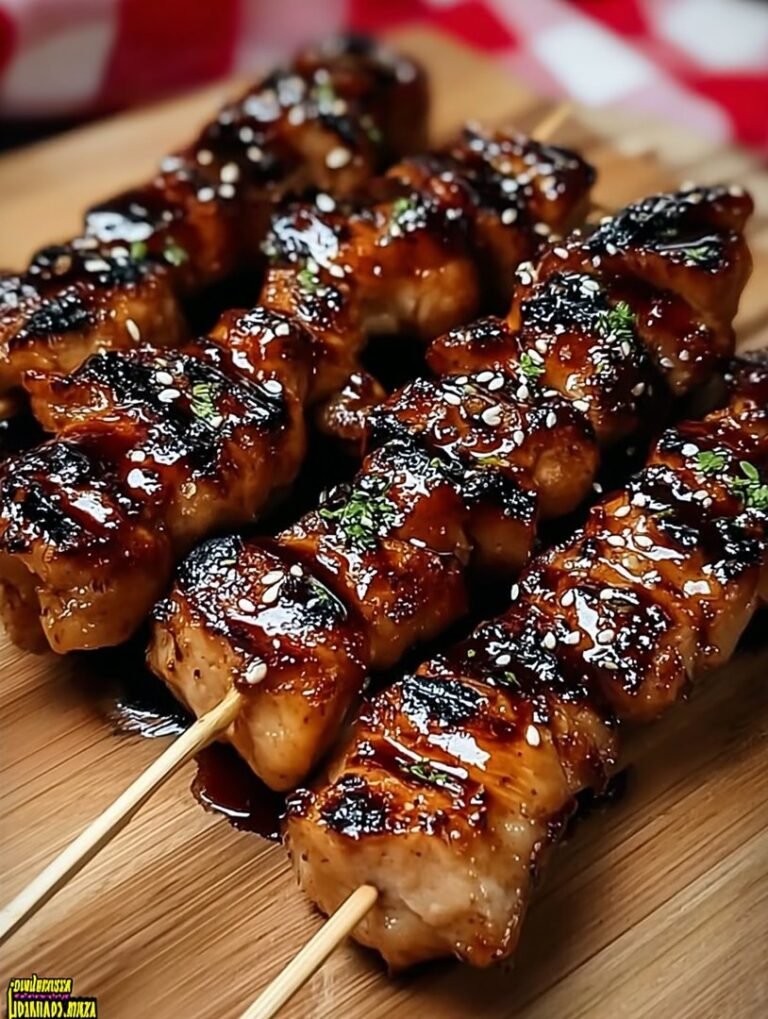
Easy Chicken Yakitori Skewers
Skip takeout! These Easy Yakitori Skewers use succulent chicken thighs glazed in a homemade sweet rice-pomegranate tare sauce. Simple steps and full nutrition details provided.
- Total Time: 35 minutes
- Yield: 4 servings
Ingredients
- Chicken Thighs: 1.5 lbs (boneless, skinless, cut into 1-inch cubes)
- Soy Sauce: 1/2 cup
- Rice Vinegar With Sugar (Sweet Rice Pomegranate Juice): 1/2 cup
- Granulated Sugar: 2 tablespoons
- Cooking Apple Juice (or water): 1/4 cup
- Bamboo Skewers: 12-15 (soaked in water for 30 minutes)
- Green Onions (Scallions): 2 stalks (thinly sliced for garnish)
Instructions
- Step 1: Prepare the Skewers and Chicken
- Step 2: Prepare the Yakitori Tare Sauce
- Step 3: Grill or Broil the Skewers
- Step 4: Baste and Finish Cooking
- Step 5: Serve and Garnish
Notes
- Leftover cooked skewers stay delicious for up to 3 days in the refrigerator when stored in an airtight container, preferably separate from any remaining tare sauce.
- Gently reheat the skewers in a toaster oven or air fryer at 300°F for a few minutes to ensure the chicken stays juicy and the glaze caramelizes slightly.
- Pair these savory skewers with fluffy white rice and a side of quick pickled vegetables, like cucumbers or cabbage, to balance the richness of the sticky glaze.
- For a truly professional sheen, vigorously baste the skewers multiple times during the final two minutes of cooking so the sugar in the tare sauce caramelizes perfectly without scorching.
- Prep Time: 15 minutes
- Cook Time: 20 minutes
- Method: Stovetop
- Cuisine: American
FAQs
How do I prevent my wooden skewers from burning when making Easy Chicken Yakitori Skewers?
Preventing your skewers from turning into fiery matchsticks is simpler than fighting a toddler during nap time. You must soak wooden skewers thoroughly in water before use. Submerge them completely for a minimum of 30 minutes, or even better, overnight. The absorbed moisture significantly raises the temperature required for them to combust, giving your chicken enough time to cook and caramelize perfectly. If you are grilling for a prolonged period, consider wrapping the exposed wooden ends of the skewers in a small piece of aluminum foil for extra protection from direct heat and flames.
What is the best substitution if I don’t have rice vinegar with sugar for the yakitori sauce?
Traditional yakitori sauce relies on rice vinegar with sugar, a sweet rice seasoning, for its characteristic flavor and sheen. Since we are formulating this recipe without alcohol, a fantastic substitute that maintains that necessary balance of sweet and tangy is a mixture of rice vinegar and a sweetener. Combine one part rice vinegar with one part honey or brown sugar. The vinegar provides the acidity depth, while the sweetener delivers the glossy, sticky texture crucial for authentic chicken skewers. This simple swap ensures your glaze achieves that mouthwatering, caramelized finish without compromising flavor.
Can I bake these chicken yakitori skewers instead of grilling them?
Absolutely! If the weather is uncooperative or you simply prefer oven baking, you can achieve delicious results indoors. Preheat your oven to 400°F (200°C) and line a baking sheet with foil or parchment paper. Place a wire rack on the sheet and lay the skewers across the rack. This setup allows air to circulate, simulating the even cooking of a grill. Bake for 15–20 minutes, ensuring you flip the skewers halfway through. Ensure you start basting with the reserved Tare sauce during the final five minutes of cooking to build up that irresistible glaze on your Easy Chicken Yakitori Skewers.
How long can I store leftover yakitori sauce, and how should I use it?
The intensely flavorful Tare sauce is a wonderful commodity to keep stocked in your kitchen. If stored in an airtight container in the refrigerator, the unused reserved basting glaze will last reliably for up to two weeks. Crucially, never store the marinade—the sauce that touched the raw chicken should always be discarded. Use the remaining basting sauce as a brilliant glaze for roasted vegetables, a dipping sauce for homemade chicken nuggets, or whisk it into cooked rice for an instant flavor boost. The rich, savory undertones make it incredibly versatile for future weeknight meals.


Leave a Comment