

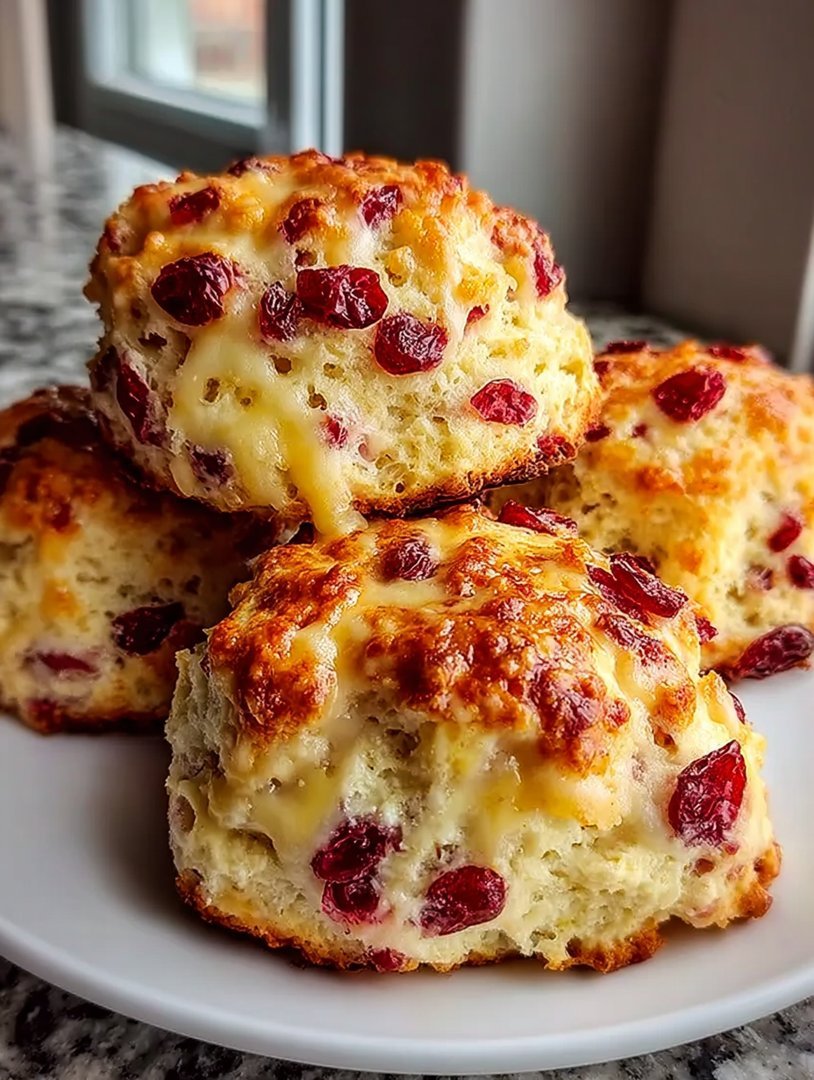
That perfect blend of tart cranberries and bright citrus aroma hitting you first thing in the morning? It’s pure magic. These aren’t just biscuits; they are the ultimate wake-up call wrapped in buttery goodness and a texture so light it practically floats off the plate. Forget dry, crumbly pastries that require three cups of coffee just to swallow. We are making the lightest, most tender version possible: the incomparableCranberry Orange Sour Cream Scones. Prepare yourself for breakfast perfection.
Why these scones deserve a permanent spot in your weekend rotation:
- The infusion of sour cream guarantees a supremely tender crumb, avoiding that dreaded dry texture often associated with standard scones.
- The vibrant combination of tart cranberries and zesty orange provides a beautiful, complex flavor that sings on your palate.
- They possess a rustic, gorgeous visual appeal, especially when topped with a simple, contrasting citrus glaze before serving.
- This recipe is surprisingly quick and straightforward, requiring minimal kneading for delicious, bakery-quality results every time.
The Secret to the Softest Scones Ever
I spent years battling the scone gods. My early attempts always resembled hockey pucks—dense, dry, and capable of chipping teeth. I meticulously followed the instructions: cold butter, quick mixing, minimal handling. Yet, they stubbornly refused to achieve that delightful, airy lift characteristic of true baked perfection.
It turns out the secret isn’t just cold butter; it’s an unexpected creamy addition that changes everything. Enter sour cream. While traditional scone recipes rely heavily on buttermilk or heavy cream, substituting those with sour cream introduces a higher fat content and a thick, rich consistency. This slows down gluten development significantly, which is crucial because overdeveloped gluten makes for tough pastries. The acidity in the sour cream also works beautifully with the baking powder, producing a massive, immediate rise in the oven.
Think of it this way: standard scones rely on steam and minimal hydration. By adding sour cream, you introduce moisture encased in fat, ensuring that when the fat melts, the moisture releases slowly, creating internal pockets of tenderness. When you bite into these particular treats, you immediately notice the difference—they melt away instead of requiring serious chewing effort. This is particularly important when balancing the robust additions of dried fruit and zest; you need a gentle base to support those powerful flavors without becoming overwhelming.
Mastering the Cold Butter Technique
The cardinal rule of scone-making remains: keep everything brutally cold. When mixing the dough, think of the butter not as an ingredient to be fully incorporated, but as tiny, cold shards waiting to be encased in flour. These pea-sized pieces of butter are essential because, during baking, they create steam pockets that physically push the dough upward, resulting in those desirable flaky layers. If the butter melts before it hits the oven, you lose the crucial steam and end up with a flat, greasy mess.
I highly recommend grating your butter directly into the flour mixture using a box grater. This method ensures uniform, small pieces without requiring heavy handling or risking warming the butter with your hands. If you live in a warm climate, feel free to pop your bowl of dry ingredients and butter pieces into the freezer for 10 minutes before adding the wet ingredients. A cold kitchen and cold hands are your best friends in this delicate process. Remember, you want to mix the dough just until it comes together—shaggy and slightly messy is perfect. Perfection in scone making is truly found in imperfection.
Ingredients for Cranberry Orange Sour Cream Scones
Here’s what you’ll need to make this delicious dish:
- All-Purpose FlourUse unbleached flour for the best texture and structure, ensuring it is properly measured by scooping and leveling.
- Granulated SugarThis adds just the right amount of sweetness to balance the tartness of the cranberries and the acidity of the citrus.
- Baking Powder and Baking SodaThese dual leavening agents work with the sour cream to provide the maximum lift and the signature height of the pastry.
- SaltA small amount of fine sea salt enhances all the other flavors, preventing the scones from tasting flat or overly sweet.
- Unsalted ButterMust be cubed and kept deeply chilled; this is the key component for achieving flaky, tender layers.
- Dried CranberriesThese provide essential tart bursts of flavor and a chewy texture; if too hard, you can briefly soak them in hot water and drain them well.
- Orange ZestUse the zest of one large, brightly colored orange for an intense, aromatic citrus note that pairs beautifully with the berry.
- Sour CreamFull-fat sour cream is mandatory here as the main moistening agent, providing richness and tenderness.
- EggUse one large, cold egg to bind the dough and add structure to the mix.
- Milk or Cream (for brushing)A splash of milk or heavy cream provides a beautiful golden crust when brushed on top before baking.
- For the Orange Glaze (Optional)Powdered sugar and fresh orange juice create a sweet, tangy drizzle for finishing.
The full ingredients list, including measurements, is provided in the recipe card directly below.
How to Make Cranberry Orange Sour Cream Scones
Follow these simple steps to prepare this delicious dish:
- Prepare the Dry Ingredients and Chill the PanPreheat your oven to 400°F (200°C). Line a large baking sheet with parchment paper. In a large mixing bowl, whisk together the flour, sugar, baking powder, baking soda, and salt. Make sure these dry ingredients are thoroughly combined to ensure even leavening.
- Cut in the Cold ButterAdd the cubed, cold butter (or grated butter) into the dry mixture. Using your fingertips or a pastry blender, quickly cut the butter into the flour until the mixture resembles coarse meal with some pea-sized chunks remaining. Incorporate the dried cranberries and orange zest, distributing them evenly throughout the mixture.
- Mix the Wet IngredientsIn a separate smaller bowl, lightly whisk the sour cream and the egg until just combined. Create a well in the center of your dry ingredients and pour the wet mixture into it. Using a wooden spoon or spatula, mix until the dough just starts to come together in shaggy clumps. Avoid overmixing; a sticky, barely-combined dough is what you want.
- Shape and Slice the DoughTurn the shaggy dough out onto a lightly floured surface. Gently pat the dough into a circle about 8 inches in diameter and about 1.5 inches thick. Use a sharp, non-serrated knife or a bench scraper to slice the dough into 8 equal wedges (like a pizza). Carefully transfer these wedges to the prepared baking sheet, spacing them slightly apart.
- Bake to Golden PerfectionBrush the tops of the scones with milk or heavy cream for that beautiful golden finish. Bake for 18–20 minutes, or until the tops are deeply golden brown and the centers are cooked through. The internal temperature should register around 200°F (93°C) if tested with a thermometer.
- Glaze and ServeRemove the scones from the oven and let them cool on the baking sheet for a few minutes. While they cool, whisk together the powdered sugar and orange juice for the glaze until smooth. Drizzle the glaze generously over the warm scones.
Transfer to a wire rack after glazing to prevent the bottoms from steaming and becoming soggy. Serve them warm with extra butter or clotted cream for the perfect finishing touch.
Essential Tips and Flavor Variations
Successfully baking scones, particularly Cranberry Orange Sour Cream Scones, depends on a few small details that make a huge difference in the final texture. Most common baking issues stem from improper ingredient temperatures or mixing technique. Addressing these issues upfront ensures your scones turn out flaky and tender every single time, moving you permanently out of the hockey-puck brigade.
Troubleshooting Common Scone Mistakes
The number one mistake bakers make is kneading too much. If your dough feels smooth and elastic like bread dough, you’ve gone too far. Scone dough should be handled as little as possible. The gluten needs to stay relaxed, relying on the butter and sour cream for tenderness. Use light, quick motions when patting the dough into a circle. Another common issue is using warm ingredients; if your butter or sour cream is not thoroughly chilled, the chemical reaction needed for the proper rise will be hindered.
For those interested in flavor variations, these pastries are incredibly versatile. You could easily substitute the orange zest for lemon or lime for a different citrus profile. Replace the dried cranberries with chocolate chips and dried cherries for a decadent treat. Or, for a savory twist, skip the glaze, reduce the sugar by half, and add shredded sharp cheddar cheese and chives. Just maintain the ratio of wet to dry ingredients, and these flavorful variations will hold up wonderfully.
Can I use frozen cranberries?
Yes, absolutely! Frozen cranberries work wonderfully, but do not thaw them first. Add them directly to the dry mix along with the zest and toss lightly. Using frozen fruit helps keep the overall dough temperature lower, which is beneficial for the flakiness of the finished pastry. Be aware that the baking time might extend by 2–3 minutes if using frozen fruit.
How do I store leftover scones?
If you manage to have leftovers, store fully cooled, unglazed scones in an airtight container at room temperature for up to three days. If they are already glazed, the glaze tends to get sticky, so wrapping them individually in plastic wrap helps preserve them. To reheat, pop them in a 350°F (175°C) oven for about 5 minutes to restore their warmth and crispness.
What if my sour cream is too thick?
High-quality, full-fat sour cream should have a thick consistency, which is ideal. However, if your sour cream is exceptionally dense or stiff, you can whisk in a teaspoon of cold milk until it is slightly more pliable. Ensure you measure accurately, as adding too much liquid will result in a much flatter scone.
The Quest for the Perfect Scone: Why Sour Cream is King
There are two types of bakers in the world: those who have mastered the scone, and those who have produced glorified, dry hockey pucks. I belonged firmly in the latter camp for years, forever chasing that ethereal blend of flaky crust and tender, moist crumb. My kitchen was littered with evidence of failed experiments—scones that crumbled upon sight or tasted suspiciously like plain, unflavored cardboard.
The turning point arrived when I discovered the magic ingredient that transforms mediocrity into magnificence: sour cream. Forget merely using heavy cream; while nice, it lacks the necessary acidity and richness. Sour cream doesn’t just add moisture; the slight tang reacts with the baking powder, providing an incredible lift and ensuring a soft interior, even after cooling. Once I added that creamy texture and bright acidity, my quest concluded successfully with these truly spectacularCranberry Orange Sour Cream Scones.
These scones represent the pinnacle of breakfast pastries. They are bright, thanks to generous amounts of orange zest, tart from the juicy cranberries, and perfectly balanced by the richness of the dairy. They require minimal handling, bake quickly, and are absolute showstoppers, whether you serve them for a leisurely brunch or sneak one straight off the cooling rack with a cup of hot tea.
Gathering Your Baking Arsenal
Scones rely on simplicity, but the quality of ingredients makes a significant difference. Ensure your butter is exceptionally cold—this is non-negotiable for success. Using fresh orange zest is also vital; the concentrated oil is where all the flavor lives. Skip the artificial flavorings and stick to the real citrus fruit.
Essential Ingredients for the Perfect Batch
- All-purpose flour
- Granulated sugar and light brown sugar
- Baking powder and baking soda
- Salt
- Unsalted butter (must be very cold)
- Sour cream (full-fat is best for texture)
- Fresh orange juice and zest (from one large orange)
- Fresh or frozen cranberries (do not thaw if frozen)
- One large egg, for binding
For the optional but highly recommended orange glaze, you will need powdered sugar and additional fresh orange juice. This glaze sets quickly and provides a beautiful, slightly crackly top layer that seals in moisture and elevates the presentation.
Mixing Magic: Achieving Flaky Perfection
The secret to light scones lies in restraint. We are aiming for barely mixed ingredients, where the butter remains in large, visible pea-sized chunks. These butter pieces melt rapidly in the hot oven, creating steam pockets that lift the dough and result in that signature flaky texture we all crave.
Step-by-Step Guide for Cranberry Orange Sour Cream Scones
Start by preheating your oven to 400°F (200°C) and lining a baking sheet with parchment paper. This high temperature helps the scones rise quickly before the butter fully melts.
Step 1: Combine the Dry Ingredients
In a large bowl, whisk together the flour, both sugars, baking powder, baking soda, and salt. Make sure these dry elements are evenly distributed; this prevents pockets of leavening agents that might taste bitter later.
Step 2: Incorporate the Butter
Cut the cold butter into small cubes, or even better, grate it using a box grater directly into the dry ingredients. Quickly use your fingertips or a pastry cutter to incorporate the butter until the mixture resembles coarse meal with some pea-sized pieces still visible. Work fast so the butter stays frozen.
Step 3: Add Flavor and Fruit
Stir in the fresh orange zest and the cranberries. If using frozen cranberries, mix them in immediately while they are still rock solid. This prevents them from staining the entire dough pink.
Step 4: Introduce the Wet Ingredients
In a separate small bowl, whisk together the sour cream, egg, and orange juice. Pour this mixture immediately into the flour and butter mixture. Use a wooden spoon or spatula to mix gently until the dough just comes together. Stop mixing the second you no longer see pockets of dry flour—a shaggy, sticky dough is exactly what you want.
Step 5: Shape and Bake
Turn the dough out onto a lightly floured surface. Pat it into a thick disc, about 1-inch thick. You can use a biscuit cutter or cut the disc into eight equal wedges using a sharp knife. Transfer the wedges to the prepared baking sheet, leaving about an inch of space between them. For extra richness, brush the tops lightly with a little extra cream or an egg wash.
Bake for 15 to 18 minutes, or until the tops are golden brown and a skewer inserted into the center comes out clean. Let the scones cool slightly on the tray before moving them to a wire rack.
Perfecting the Cooking Process

Always start by grating or cutting the butter into the flour first, ensuring it stays very cold. Mix the dough just until combined, then chill the shaped scones for 15 minutes before baking to lock in the flakiness and prevent spreading. This resting period is critical for maximizing height and achieving crisp edges.
Add Your Touch
Swap fresh cranberries for dried cherries or golden raisins for a change of flavor profile. Include a tablespoon of lemon zest alongside the orange zest for extra brightness, or top with a sprinkle of sanding sugar before baking for crunch. You can also mix in chopped pecans or walnuts for an added earthy note.
Storing & Reheating
Store cooled scones in an airtight container at room temperature for up to three days, though they are best eaten fresh. Reheat briefly (3-5 minutes) in a toaster oven at 300°F (150°C) to revive their crisp exterior. If freezing, wrap unbaked wedges tightly and bake from frozen, adding a few extra minutes to the baking time.
Troubleshooting Common Scone Setbacks
Even experienced bakers sometimes face scone struggles. Addressing these issues often comes down to temperature and handling. If your scones spread too much in the oven or if they are dense, you likely handled the dough too much or the butter was too warm before baking.
My Scones Are Flat and Dense. Help!
This is usually due to one of two factors. First, your butter melted before baking, meaning the steam couldn’t lift the dough. Ensure everything stays cold. Second, you likely over-mixed the dough, activating too much gluten and making the final product tough instead of tender.
Remember that baking soda and baking powder are crucial leaveners, but they lose potency over time. Always check the expiration dates on your leavening agents; if they are older than six months, they may not provide the necessary rise for light and airy results. Fresh ingredients are often the invisible heroes of successful baking.
Can I Use Frozen Berries?
Absolutely! Using frozen cranberries is actually preferable. They remain firm during the mixing process, preventing them from bleeding color into the dough and ensuring they retain their shape and tart burst when eaten. Just ensure you never thaw them first.
These Cranberry Orange Sour Cream Scones deliver a burst of flavor and a texture that rivals the best bakeries. They require attention to detail, but the payoff—a light, fluffy pastry that truly melts in your mouth—is worth every careful step. Baking scones should be a calming, enjoyable experience, resulting in something wonderful you can proudly share.
My Aunt Mildred initially doubted the sour cream, sticking to heavy cream only. After tasting this batch, she admitted defeat and asked for the recipe immediately. Victory tastes like orange zest!
Chef’s Expert Tips
- Use frozen, grated butter instead of cubes; this technique guarantees tiny, cold pockets that steam perfectly in the oven for maximum rise.
- Do not over-knead the dough, as this develops gluten, resulting in tough, dry scones rather than the desired tender texture.
- Brush the tops with a little melted butter or extra heavy cream before baking to ensure a gorgeous, golden-brown crust.
Frequently Asked Questions About Scone Baking
Why do I need to use sour cream instead of buttermilk?
While buttermilk adds acidity, sour cream provides a higher fat content, resulting in a richer, more tender crumb and preventing the scones from drying out quickly during baking.
How do I know when the scones are fully baked?
The scones are finished when they are beautifully golden brown on the top and bottom, and when they have expanded significantly. A quick temperature check should register around 200°F (93°C) internally.
Can I prepare the dough the night before?
Yes, you can shape the wedges and place them on the baking sheet, then cover them tightly and refrigerate overnight. Bake them directly from the fridge the next morning, adding about two minutes to the total baking time.
Conclusion for Cranberry Orange Sour Cream Scones
The journey to mastering the perfect scone is a deliciously rewarding one, and theseCranberry Orange Sour Cream Sconestruly sit atop the breakfast pastry hierarchy. We learned that ice-cold butter is crucial, sour cream is essential for moisture and tenderness, and minimizing dough handling ensures that dreamy, flaky texture. Whether you are whipping up a batch for an impromptu brunch or freezing them for a future cozy morning, this recipe promises bright, tangy, and richly satisfying results. Go ahead, fill your kitchen with the irresistible aroma of citrus and butter; your efforts will be handsomely rewarded with a pastry that’s simply irresistible and wonderfully comforting.
Print
Cranberry Orange Sour Cream Scones
Achieve bakery-level flakiness! These Cranberry Orange Sour Cream Scones are supremely tender, balancing tart fruit with sweet citrus. Start with 400°F and cold butter cut to pea-size.
- Total Time: 35 minutes
- Yield: 4 servings 1x
Ingredients
- 2 cups All-Purpose Flour
- 1/4 cup Granulated Sugar
- 1 tablespoon Baking Powder
- 1/2 teaspoon Salt
- 1/2 cup (1 stick) Unsalted Butter, very cold and cubed
- 1/2 cup Full-Fat Sour Cream
- 1 tablespoon Orange Zest, freshly grated
- 3/4 cup Dried Cranberries
Instructions
- Step 1: Preheat your oven to 400°F (200°C) and line a baking sheet with parchment paper. In a large bowl, whisk together the flour, granulated sugar, baking powder, and salt.
- Step 2: Cut the cold butter into the flour mixture using a pastry blender or your fingertips until the butter pieces are about the size of small peas.
- Step 3: Stir in the orange zest and dried cranberries. Gently fold in the sour cream until the mixture is just combined and forms a shaggy dough. Be careful not to overmix, as this develops the gluten.
- Step 4: Turn the dough out onto a lightly floured surface. Quickly pat the dough into an 8-inch circle or square, about 1 inch thick. Cut the shape into 8 equal wedges (triangles) or 9 squares.
- Step 5: Transfer the scones to the prepared baking sheet, spacing them evenly. Bake for 15 to 18 minutes, or until the tops are lightly golden brown and the centers are set.
- Step 6: Let the scones cool slightly on the baking sheet before transferring them to a wire rack to cool completely. Serve warm or at room temperature.
Notes
- Store cooled scones in an airtight container at room temperature for up to 2 days; for longer storage, freeze them tightly wrapped.
- To revive day-old scones, slice them horizontally and toast them in a 300°F oven for 5-7 minutes until warmed through, resulting in a delightfully crisp exterior.
- Enhance the citrus flavor by serving these scones warm with a dollop of classic clotted cream and a quick Orange Glaze made from powdered sugar and fresh juice.
- For the flakiest, tallest rise, ensure the butter is frozen solid before cubing and cutting it into the flour—the colder the butter, the better the steam expansion during baking.
- Prep Time: 15 minutes
- Cook Time: 20 minutes
- Method: Stovetop
- Cuisine: American
FAQs
Why is sour cream essential for achieving the perfect texture in these homemade treats?
Sour cream is the unsung hero of these cranberry orange breakfast delights. Its high-fat content and mild acidity prevent the gluten from overdeveloping, resulting in a wonderfully tender and moist crumb. If you don’t have sour cream, high-fat Greek yogurt or crème fraîche works beautifully as an alternative, but ensure they are full-fat. This simple inclusion transforms a potentially dry baked good into a truly luxurious morning pastry, guaranteeing that light, fluffy interior everyone craves. It’s the secret weapon against dense, hockey-puck pastries.
Can I freeze unbakedCranberry Orange Sour Cream Sconesand bake them later?
Absolutely! Freezing unbaked scones is a fantastic time-saver and guarantees fresh, warm pastries on demand. Cut the dough into triangles, arrange them on a baking sheet, and flash-freeze until solid. Once frozen, transfer them to an airtight container or freezer bag. When you are ready to bake these lovelyCranberry Orange Sour Cream Scones, simply place the frozen pieces onto a prepared baking sheet and add a couple of extra minutes to the baking time, usually about 18 to 20 minutes total. This method ensures you always have warm, fresh pastries ready in a pinch.
What is the secret to mixing the dough without overworking it, ensuring flaky results?
The golden rule of scone-making is minimal intervention. Overmixing activates the gluten, making your scones tough and dense—a tragedy we must avoid! Use cold ingredients, especially the butter, which must resemble small peas or coarse meal when incorporated. Mix the wet and dry ingredients only until they just barely come together into a shaggy mass. If the dough seems too dry, add milk or cream sparingly, one teaspoon at a time. A slightly shaggy, sticky dough is preferable to a perfectly smooth one, guaranteeing that beautiful, flaky rise in the oven.
How do I maximize the bright citrus zest flavor in my cranberry and orange breakfast pastries?
To get that incredible burst of flavor that defines these pastries, make sure you rub the orange zest directly into the sugar before adding it to the dry ingredients. This simple technique, often called “zesting the sugar,” helps to release the volatile citrus oils more effectively, ensuring the aroma permeates every single bite. Always use fresh zest, being careful to avoid the bitter white pith underneath the peel. Using fresh-squeezed orange juice in the wet ingredients also enhances the overall flavor profile significantly, making these buttery delights truly shine on your breakfast table.


Leave a Comment