


Imagine biting into a cloud, but instead of vapor, it’s pure, creamy delight that melts instantaneously. That’s the sensation you get from these truly sublimeFluffy Japanese Cotton Cheesecake Cupcakes. They make standard New York cheesecake look like a dense, angry brick, and they are surprisingly easy to master once you understand the technique.
I remember the first time I tried Japanese cotton cheesecake—it felt like a dessert from a parallel, significantly more joyful universe. Now, shrunk down into portable cupcake form, this recipe ensures you never have to share that cloud-like perfection, allowing you to enjoy a single serving of bliss whenever the craving strikes.
- Simple preparation methods allow even beginner bakers to achieve that signature wobble and ultra-light texture instantly, making dessert stress-free.
- A sophisticated balance of creamy tang from the softened cream cheese and subtle sweetness melts effortlessly on the tongue for an elegant flavor profile.
- These miniature marvels rise high and proud in their wrappers, featuring a delicate, golden-brown top and an irresistibly smooth, soufflé-like texture.
- Perfect for afternoon tea, elegant gatherings, or simply treating yourself to a single, delicate serving of cloud-like, guilt-free bliss during a quiet evening.
The Magic Behind Japanese Soufflé-Style Baking
Why exactly does Japanese cheesecake possess this legendary cotton-soft quality, while its Western counterparts require power tools just to cut through them? The secret lies in a careful marriage of French soufflé technique and classic cheesecake ingredients. We separate the eggs, heating the dairy mixture (the crucial difference here is using minimal starch and high moisture) to create an emulsified base, which is then folded gently into a stiff meringue. This meticulous folding process incorporates just the right amount of air, providing the lift needed to defy gravity and achieve that signature airy height.
When you encounter a dessert that wobbles like jelly but tastes like pure, velvety cream, you know you’ve found the real deal. Unlike the heavy, dense texture of traditional cheesecakes that rely on a lot of stabilizer, theseFluffy Japanese Cotton Cheesecake Cupcakesare cooked very gently using a water bath. This low-and-slow, steamy environment prevents the delicate structure from setting too quickly, ensuring the interior remains moist and incredibly tender. Getting this technique right is essential, and trust me, the payoff—a dozen individual clouds of joy—is worth the precision.
The Secrets to Achieving Maximum Fluffiness
Achieving that iconic, perfectly smooth, crack-free dome requires attention to detail, particularly concerning temperature and mixing. First, ensure all your dairy ingredients, especially the cream cheese and butter, are softened but not greasy. Secondly, your meringue must be built slowly and stably. Use room-temperature egg whites, beat them until they hold firm, glossy peaks, and make absolutely certain that no trace of fat or yolk contaminates them. The inclusion of a small amount of lemon juice or cream of tartar helps stabilize the protein structure, making the meringue resilient enough to hold the cake structure without collapsing.
Finally, the folding process is where dreams often shatter. When combining the meringue with the cream cheese batter, use a large spatula and cut down the center, then sweep up the side of the bowl, rotating the bowl as you go. This ‘cut and fold’ motion protects the air bubbles you worked so hard to create. If you mix too vigorously, you’ll deflate the batter, resulting in sad, heavy hockey pucks instead of airy perfection. If you incorporate enough air and handle the batter gently, your cupcakes will rise beautifully in the oven, ready to achieve cheesecake stardom.
Ingredients for Fluffy Japanese Cotton Cheesecake Cupcakes
Here’s what you’ll need to make this delicious dish:
- Cream CheeseUse full-fat, brick-style cream cheese, ensuring it is completely softened at room temperature for a smooth, lump-free batter.
- Unsalted ButterThis provides richness and helps stabilize the emulsion; cut it into small cubes so it melts quickly into the dairy mixture.
- Milk or Heavy CreamWhole milk provides the necessary moisture, but heavy cream adds a richer texture to the final cake structure.
- All-Purpose FlourJust a small amount is used, acting as a structural anchor to prevent the fluffy meringue from collapsing entirely after cooling.
- Granulated SugarDivide this into two portions: one for the cream cheese batter and the larger portion for stabilizing and sweetening the meringue.
- Large EggsThese must be separated, and ideally, brought to room temperature before use, especially the whites for maximum meringue volume.
- Lemon Juice or White VinegarA small amount stabilizes the egg whites, ensuring a strong, stable meringue that holds its shape under heat.
- Alcohol-Free Vanilla ExtractUse a high-quality extract to deepen the overall flavor profile of the subtle, creamy cheesecake base.
The full ingredients list, including measurements, is provided in the recipe card directly below.
How to Make Fluffy Japanese Cotton Cheesecake Cupcakes
Follow these simple steps to prepare this delicious dish:
-
Step 1: Prepare the Equipment and Dairy Base
Preheat your oven to a gentle 325°F (160°C). Line a 12-cup standard muffin tin with paper liners. Prepare your water bath (bain-marie) by setting a large roasting pan on the bottom rack of the oven. In a medium saucepan, combine the cream cheese, butter, and milk. Heat this mixture over very low heat, stirring constantly until everything is melted together and the mixture is silky smooth. Remove from heat and allow it to cool slightly.
-
Step 2: Create the Emulsion and Dry Mix
While the cream cheese mixture cools, separate your egg yolks and whites. Whisk the yolks into the cooled cream cheese base along with the alcohol-free vanilla extract, ensuring full incorporation. Sift the flour directly over the mixture and whisk until just combined—do not overmix at this stage, or you risk developing the gluten too much. Set this smooth, heavy batter aside.
-
Step 3: Whip the Meringue
In a separate, completely clean bowl (preferably glass or metal), beat the egg whites using an electric mixer until they start to foam. Add the lemon juice. Gradually stream in the granulated sugar while continuing to beat on medium-high speed. Continue whipping until the meringue reaches firm, glossy peaks that hold their shape when the whisk is lifted. The peaks should be sturdy but still flexible.
-
Step 4: Fold and Bake the Batter
Gently take one-third of the meringue and fold it into the cream cheese batter to lighten the base texture. Then, slowly fold in the remaining meringue in two additions, using that essential cutting and sweeping motion described earlier. Stop folding the instant you see no streaks of white remaining. Scoop the fluffy batter equally into the prepared cupcake liners, filling them nearly to the top.
-
Step 5: Execute the Water Bath and Initial Bake
Carefully pour hot (but not boiling) water into the roasting pan already in the oven, filling it about half an inch deep. Place the muffin tin directly onto the oven rack, above the water bath. Bake for 15 minutes at 325°F (160°C). Then, without opening the door, reduce the temperature to 285°F (140°C) and bake for another 40–50 minutes, or until the cupcakes look set and slightly golden.
-
Step 6: Cooling and Setting
Turn the oven off but leave the oven door slightly ajar. Allow theFluffy Japanese Cotton Cheesecake Cupcakesto cool slowly inside the oven for at least 30 minutes. This slow transition prevents rapid shrinkage and cracking. Once cooled completely, transfer them to the refrigerator for at least 4 hours before serving for the best texture.
Transfer to plates and garnish with a dusting of powdered sugar or fresh berries for the perfect finishing touch.
Perfecting the Water Bath Technique
The water bath, or bain-marie, isn’t just a fancy French flourish—it’s non-negotiable for achieving that signature ultra-moist crumb in these delicate treats. When you bake the cupcakes surrounded by steam, the heat distribution is extremely gentle and even. This prevents the edges from drying out and setting too quickly, which is the primary cause of cracks and a rough texture. The constant moisture allows the internal structure of the cheesecake to expand smoothly and slowly.
Always use hot tap water, not boiling water, when filling the pan, as boiling water can cook the delicate sides too fast. Make sure the water level is consistent throughout the bake, though typically, for cupcakes, it won’t evaporate too drastically. If you are worried about seepage, wrap the bottom of your cupcake tin with heavy-duty aluminum foil before placing it in the water, though standard cupcake tins usually hold up well enough against a shallow bath.
Tips and Tricks for Success
While this recipe forFluffy Japanese Cotton Cheesecake Cupcakesis straightforward, a few key baker secrets can elevate your results from good to heavenly. Always ensure your oven temperature is accurate; invest in an oven thermometer, as Japanese cheesecakes are extremely sensitive to temperature fluctuations. A sudden blast of heat will guarantee a dome-shaped rise, followed by a dramatic and disappointing collapse. Furthermore, resist the overwhelming urge to check on them constantly during the crucial temperature drop; opening the door releases the steam and can shock the delicate structure.
Another crucial tip relates to storage and serving. These cupcakes are truly best consumed within 24–48 hours of baking. While they remain safe to eat longer, their signature fluffiness will begin to diminish as they sit in the fridge. For the ultimate sensory experience, allow them to come up to nearly room temperature for about 15 minutes before serving. This slight warming enhances the creaminess and maximizes the melt-in-your-mouth texture that defines these soufflé-style delights.
Why did my cupcakes crack?
Cracking is usually the result of baking too hot or cooling too quickly. Ensure your oven temperature is exactly right (use that thermometer!), and most importantly, allow the cupcakes to cool gradually inside the turned-off oven with the door slightly ajar. Temperature shock is the enemy of the cotton cheesecake.
How can I tell when they are done?
The cupcakes should look set, slightly puffed, and golden brown on top. When gently nudged, the center should exhibit a slight, delicate wobble, similar to a firm custard, but the structure should not look liquid. Remember, they will firm up considerably while cooling in the refrigerator.
Can I freeze these cheesecake cupcakes?
While technically possible, freezing is generally discouraged because it significantly compromises the signature light, airy texture. Freezing and thawing causes ice crystals to form, which break down the delicate structure, leaving you with a slightly grainy and less fluffy result. They taste best fresh.
The Delight of Individual Cotton Cheesecake Perfection
We’ve all been there—trying to slice a perfect piece of traditional cheesecake only to have it stick to the knife, crumble at the edges, and generally cause a mess. The brilliance of making these individualFluffy Japanese Cotton Cheesecake Cupcakesis not just in their incredible texture, but in their portability and sheer simplicity of serving. No slicing, no sticky mess, and absolutely no fighting over who gets the largest slice.
Whether you are looking for a show-stopping dessert for a dinner party or just craving a bite of something truly ethereal, this recipe delivers on all fronts. They are deceptively light, surprisingly creamy, and undoubtedly one of the most satisfying baking projects you will ever undertake. So clear your counter, preheat that oven, and prepare to elevate your baking game with these cloud-like, wobbly, and utterly irresistible Japanese treats. Happy baking!
I remember the first time I tried to make a Japanese cheesecake. It looked like a perfect, cloud-like dream in the pictures, but mine ended up resembling a slightly depressed, dense hockey puck. The quest for that perfect “jiggle” became my culinary Moby Dick. After months of experimentation—and several near-kitchen disasters involving steam baths and fallen soufflés—I finally cracked the code, miniaturized it, and perfected the most adorable, single-serving version: the Fluffy Japanese Cotton Cheesecake Cupcakes. These aren’t your typical dense, heavy cheesecakes. These are light, airy, and truly melt in your mouth, carrying the delicate sweetness of a cloud kissed by a happy dairy cow. Forget complicated water baths in a full oven; we are making these airy delights in standard cupcake tins for maximum cuteness and stability.
The Anatomy of the Perfect Jiggle
Why Miniatures are Better
The beauty of transforming this classic dessert into cupcake form is twofold: portion control (ha!) and thermal stability. Baking small, individual portions minimizes the risk of the dreaded center collapse, which is the nemesis of all Japanese cheesecake bakers. We harness the power of a gentle oven and precise meringue folding to achieve that signature cottony texture. Think of it less like baking and more like gently persuading air pockets to hold hands inside a delicate creamy cage. The result is a dessert so airy, you might worry it will float away if you don’t anchor it down with a light dusting of powdered sugar.
Essential Ingredients for Cotton Softness
Achieving this heavenly texture requires specific ingredient temperatures and measurements. Don’t just eyeball the cream cheese, folks! Precision is the key to unlocking the cottony magic of these delicate souffle cheesecakes. We rely on careful emulsification of the dairy fats and the gradual cooking of the egg proteins to create the structure.
Ingredients List
- 175g cream cheese (full fat, softened)
- 50g unsalted butter
- 80ml dairy milk (full fat)
- 5 large egg yolks
- 60g cake flour (sifted)
- 1 tsp lemon juice or white vinegar
- 5 large egg whites (room temperature)
- 100g granulated sugar (for meringue)
- 1/4 tsp cream of tartar or plant-based stabilizer
- A pinch of salt
Baking the Fluffy Japanese Cotton Cheesecake Cupcakes
Preparation: The Gentle Foundation
First, preheat your oven to 150°C (300°F). Prepare your standard 12-cup muffin tin. Line it with cupcake papers, and for extra protection against sticking, lightly grease the inside of the papers. Crucially, prepare your bain-marie (water bath). Place the muffin tin inside a larger baking pan and pour enough hot water into the larger pan to reach about 1-inch depth around the cupcake tin. This steam bath is non-negotiable for achieving that moist, soft interior.
Creating the Creamy Base (Yumi)
In a heatproof bowl set over simmering water (or using a double boiler), combine the cream cheese, butter, and milk. Stir this mixture constantly until it is silky smooth and entirely melted. Once smooth, remove it from the heat. Whisk in the egg yolks one by one until fully incorporated. Sift the cake flour and salt directly into the creamy mixture. Fold gently until just combined. Overmixing the flour activates gluten, which leads to a dense texture, the exact opposite of what we want for these jiggly Japanese treats.
Whipping the Meringue (The Air Force)
In a separate, immaculate bowl, beat the room-temperature egg whites. Start on medium speed. Once they become foamy, add the cream of tartar or stabilizer and the lemon juice. Gradually sprinkle in the granulated sugar while increasing the mixer speed to high. Continue beating until you achieve medium-soft peaks. The meringue should look glossy and hold its shape but the tip should curl slightly when the whisk is lifted. Do not over-whip it to stiff peaks; this makes folding harder and results in a drier cake.
The Delicate Fold
This is where patience pays off. Take one-third of the meringue and vigorously fold it into the cream cheese batter to lighten the mixture. This step prevents the delicate meringue from deflating immediately. Then, gently fold the remaining meringue into the batter in two additions. Use a spatula to scrape the sides and fold from the bottom up, cutting through the middle. Stop folding as soon as no streaks of white remain. The batter should look uniformly pale, airy, and smooth. This step dictates the final texture of your dessert.
Baking for Perfection
Carefully pour or spoon the batter into the prepared cupcake liners, filling them about three-quarters full. Place the entire assembly (baking pan with the water bath) into the preheated 150°C (300°F) oven. Bake for 25 minutes, then reduce the temperature to 135°C (275°F) and bake for another 25 to 30 minutes, or until the tops are golden and set. The cupcakes should look slightly puffed. Turn off the oven, crack the door open slightly, and let the soufflé cheesecakes cool inside the oven for 30 minutes. This slow cooling prevents sudden temperature changes and collapse. Remove the pan from the oven, lift the cupcakes out of the water bath, and let them cool completely on a wire rack.
Perfecting the Cooking Process
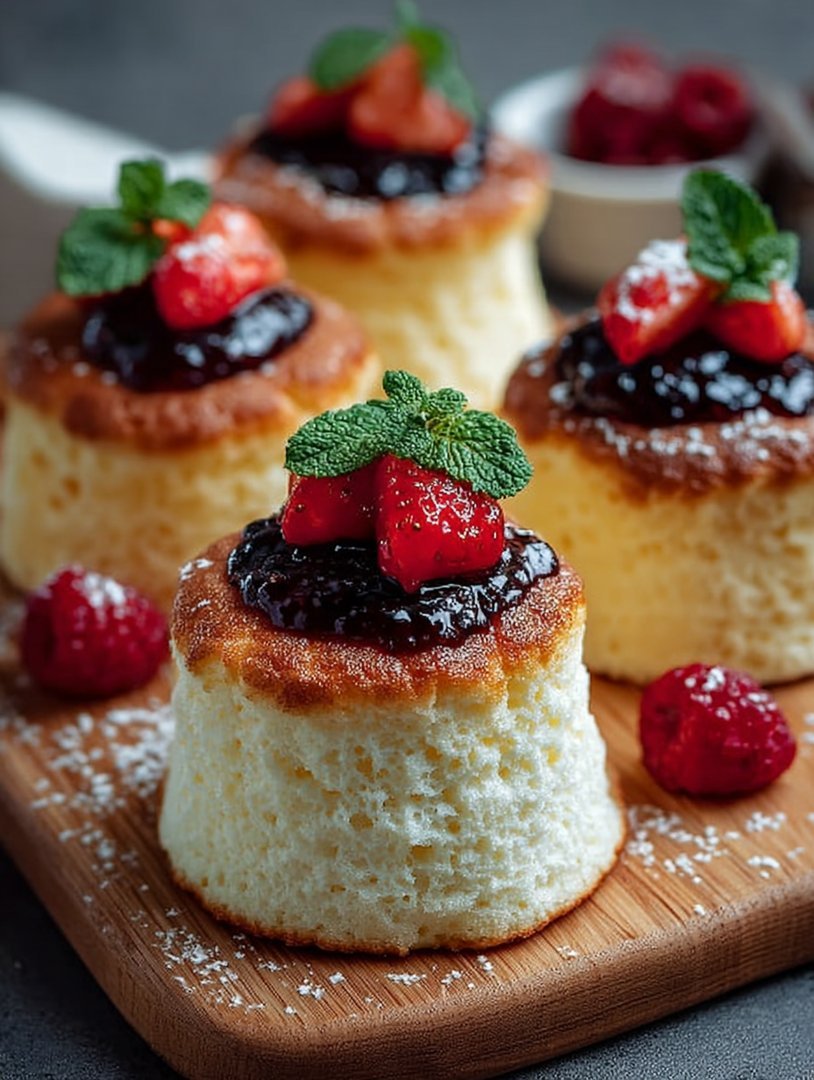
Ensure you heat the cream cheese mixture first to emulsify the fats smoothly, then prepare the meringue while the base cools slightly. This sequence ensures your base is warm enough to incorporate the flour without clumping, but cool enough not to cook the egg whites prematurely when folding them in, leading to the lightest texture.
Add Your Touch
For a tangy twist, swap 10% of the cream cheese with plain yogurt. If you crave flavor variety, try adding 1 teaspoon of vanilla bean paste or folding a tablespoon of finely grated citrus zest into the batter before baking. You can also dust the finished cupcakes with matcha powder for a beautiful color contrast and earthy note.
My Aunt Clara tried these once, demanding to know where I bought the expensive Japanese bakery goods. When I told her they were homemade, she promptly asked for 12 dozen for her garden party. That was the moment I knew the recipe was perfected.
Expert Baking Tips for Success
- Always use room temperature ingredients, especially the eggs and dairy, as they combine more easily, creating a smoother, stable emulsion necessary for maximum rise.
- Do not skip the water bath or bain-marie. The steam creates a moist environment, preventing the tops from cracking and ensuring the interior remains incredibly light and moist.
- Use a low and slow baking temperature. High heat causes rapid rising and subsequent severe cracking and collapse when the oven door is opened. Patience yields the cottoniest results.
Storing & Reheating
Store these delicate mini cheesecakes in an airtight container in the refrigerator for up to three days. For the best flavor and texture, allow the cupcakes to come to room temperature for 20 minutes before serving. Reheating is not recommended, as it can compromise the airy structure.
Decoding the Soufflé Cheesecake Phenomenon
Why do these cottony soft mini cheesecakes hold such universal appeal? It’s the delightful contradiction of richness without heaviness. Unlike the dense, graham-cracker-crusted New York style cheesecake—a dessert that requires a full 24-hour commitment—the Japanese variety is ephemeral. It’s the dessert equivalent of a gentle sigh of relief.
The Science Behind the Jiggle
The jiggle isn’t just for fun; it’s a testament to good technique. We achieve it by separating the eggs and incorporating a large volume of air via the meringue. The high liquid content (milk and cream cheese) is suspended by the network of egg proteins, which are gently set by the steam bath. When handled correctly, the result is a cake that is nearly 50% air, giving it that characteristic bounce and light mouthfeel. Mastering the perfect meringue means mastering the perfect Fluffy Japanese Cotton Cheesecake Cupcakes. If you can master the gentle art of the fold, you have mastered this recipe.
Frequently Asked Questions About Japanese Soufflé Cheesecake
Can I make these delicate souffle cheesecakes gluten-free?
Yes, you can certainly substitute the cake flour with a high-quality gluten-free all-purpose blend that contains xanthan gum. However, be aware that the gluten-free structure may require a slightly longer, slower bake to achieve the same stability and prevent sinking.
Why did my Japanese Cotton Cheesecake Cupcakes collapse or crack?
Cracking is typically caused by baking at too high a temperature, causing the surface to set too quickly while the interior is still expanding. Collapse happens due to sudden temperature changes (opening the oven door mid-bake) or insufficient cooling time inside the oven after the heat is turned off. Always follow the slow cooling steps precisely.
How long should I chill these cottony soft mini cheesecakes before serving?
While they are lovely served slightly warm after cooling, the flavor and texture fully develop once chilled for at least two hours. Chilling firms up the cream cheese slightly, stabilizing the structure and enhancing the subtle, creamy flavor before they melt in your mouth.
Ready to ditch the dense desserts and embrace the cloud? These Fluffy Japanese Cotton Cheesecake Cupcakes are guaranteed to bring a smile, a slight jiggle, and an immediate request for the recipe. Go grab your whisk and let the gentle baking commence!
The Quest for Cloud Perfection: Why These Cupcakes Will Ruin Store-Bought Cake Forever
Let’s be honest. Regular cheesecake is fantastic, but sometimes, it’s just too much work. Too dense, too prone to cracking, and far too stressful to unmold. Then there’s the Japanese cotton cheesecake—a legendary dessert famed for its gravity-defying, jiggly texture. We decided to take that marvel of engineering and shrink it down into individual, adorable portions: the legendaryFluffy Japanese Cotton Cheesecake Cupcakes.
Think of these as the sophisticated cousin to your standard muffin, possessing the richness of cream cheese but the airy lightness of a perfectly baked soufflé. These little clouds of sweetness are not just a dessert; they are an experience. They demand a delicate touch, yes, but the payoff is a batch of treats so delightful they practically float off the plate. Forget everything you thought you knew about dense, heavy desserts. We are entering the realm of edible air.
The Secret Science Behind the Jiggly Wonder
Achieving that signature “cotton” texture relies on two primary tricks: the water bath and the meringue. Unlike traditional cheesecakes that rely on mixing everything quickly, this recipe demands patience and precision. We separate the eggs, mixing the yolks, cream cheese, and butter gently over heat until ultra-smooth. This process creates an emulsified, custard-like base. The true magic, however, happens when we fold in the meticulously whipped meringue.
The stiff-peak meringue provides the structural support and the massive volume needed for the lift. Baking them in a water bath, or bain-marie, ensures that the heat is consistent and gentle, preventing the exterior from baking too quickly and cracking the delicate surface. This method steam-bakes the cupcakes, keeping them incredibly moist and allowing them to puff up like tiny, perfect balloons. If you’ve ever felt defeated by a cracked top on a full-sized cotton cheesecake, the cupcake format is incredibly forgiving!
Gathering Your Arsenal: Ingredients and Equipment
Before you embark on this journey to conquer the world of airy desserts, make sure you have your supplies ready. Precision is key in baking, especially when dealing with recipes this sensitive to ratios. Room temperature ingredients are not a suggestion; they are a mandatory requirement for achieving a perfectly smooth batter and stable meringue.
Essential Ingredients List
- 1 cup (225g) full-fat cream cheese, softened
- 1/4 cup (55g) unsalted butter
- 1/3 cup milk (whole milk recommended)
- 1/2 cup all-purpose flour, sifted
- 1/4 cup cornstarch, sifted
- 1 tsp lemon juice or white vinegar (for stabilizing the meringue)
- 4 large eggs, separated (must be cold for easy separation, then brought to room temperature)
- 3/4 cup granulated sugar, divided
Equipment You Cannot Skip
You need a reliable stand mixer or hand mixer for whipping that voluminous meringue. Trust us, attempting this by hand is a workout reserved for Olympic athletes. Additionally, prepare a standard 12-cup muffin tin, lined with parchment paper liners or sturdy cupcake liners. Since we use a water bath, you will also need a larger roasting pan that can safely hold the muffin tin while submerged about halfway up the sides. An oven thermometer is highly recommended, as oven temperature fluctuations can ruin the airy texture.
Baking the Clouds: Step-by-Step Instructions
This process is divided into three key phases: making the base, whipping the meringue, and the careful folding stage. Take your time, read the steps twice, and trust the process. Do not rush the folding!
Phase 1: Creating the Cream Cheese Base
- Preheat your oven to 325°F (160°C). Prepare your water bath by boiling water separately. Line your muffin tin and set it inside the larger roasting pan.
- In a heatproof bowl set over a saucepan of simmering water (double boiler method), combine the cream cheese, butter, and milk. Stir constantly until the mixture is completely smooth and glossy, with no lumps remaining. Remove from heat.
- Whisk in the egg yolks one at a time until fully incorporated.
- Sift the flour and cornstarch directly into the cream cheese mixture. Whisk gently until just combined. Overmixing here develops gluten, which will destroy the light texture. Set the creamy yolk mixture aside.
Phase 2: Achieving Meringue Perfection
- In a clean, grease-free bowl, beat the egg whites on medium speed. Once they start to look foamy, add the lemon juice or vinegar.
- Gradually stream in the sugar while increasing the speed to medium-high. Beat until you achieve stiff, glossy peaks. When you lift the whisk, the peaks should stand straight up and hold their shape firmly.
Phase 3: Folding and Baking the Fluffy Japanese Cotton Cheesecake Cupcakes
- Gently fold one-third of the meringue into the yolk batter to lighten it up. Use a spatula and cut down the middle, scooping up the bottom, and folding over (the French folding method).
- Add the remaining meringue in two additions, folding very gently until no white streaks remain. Stop folding the second the batter is homogenous; over-folding deflates the air.
- Carefully divide the batter among the prepared cupcake liners, filling them about three-quarters full.
- Place the roasting pan (with the cupcake tin inside) into the preheated oven. Pour the hot water into the roasting pan until it reaches halfway up the sides of the muffin tin.
- Bake for 20 minutes at 325°F (160°C), then reduce the heat to 300°F (150°C) and bake for another 30–40 minutes, or until the tops are golden brown and set.
- Turn the oven off and prop the door slightly ajar. Allow the cupcakes to cool slowly inside the oven for 30 minutes. This slow cooling is crucial for preventing shrinkage and maintaining the cloud-like structure.
- Remove, chill completely, and serve the amazingFluffy Japanese Cotton Cheesecake Cupcakes!
Troubleshooting Tips for Success
If your batch of cupcakes didn’t quite reach the zenith of fluffiness, chances are one of these common pitfalls occurred. Baking these treats is less about aggression and more about finesse. Remember, the enemy of the perfect Japanese cotton cheesecake is temperature shock and aggressive mixing.
Why Did My Cupcakes Collapse or Wrinkle?
Sudden temperature changes are the primary culprits for deflated cakes. If you yank the cupcakes straight out of the hot oven into the cool kitchen air, they will gasp and shrink dramatically. Always utilize the slow cooling method outlined above (oven door ajar). Additionally, ensure the meringue was truly at stiff peaks and that you didn’t overmix the final batter, which destroys the air pockets necessary for lift.
Another reason for excessive shrinkage is the water bath. If the water level is too low and dries out during baking, the base of the cakes will cook too intensely, leading to a denser texture and subsequent collapse upon cooling. Always use hot water to start, and ensure the level remains consistent throughout the baking time.
Conclusion for Fluffy Japanese Cotton Cheesecake Cupcakes
You have successfully navigated the delicate waters of Japanese baking and emerged victorious with a batch of these truly exquisite treats. CreatingFluffy Japanese Cotton Cheesecake Cupcakesrequires attention to detail—specifically, meticulous meringue folding and controlled baking temperatures. By mastering the water bath and the slow-cooling technique, you achieve a dessert that is unbelievably light, rich, and perfectly portioned.
These little cakes prove that sometimes, the most sophisticated desserts are also the most ethereal. Whether served plain or topped with a dusting of powdered sugar, these cloud-like cupcakes guarantee delighted gasps and requests for seconds. Enjoy sharing this unique baking triumph!
Print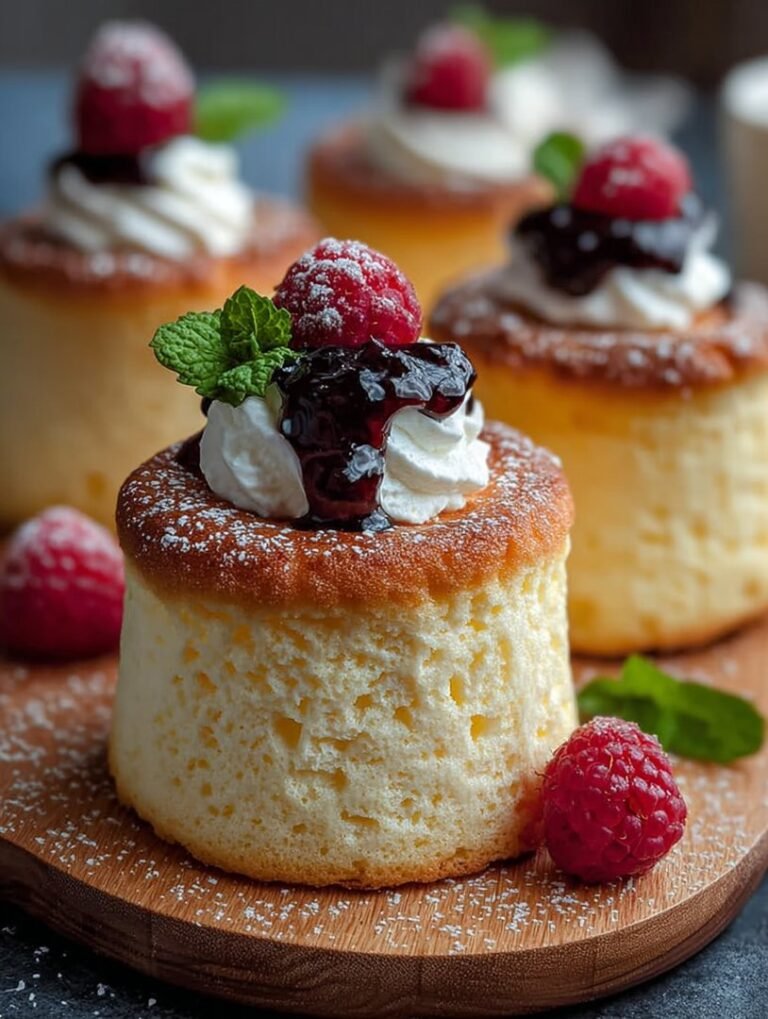
Fluffy Japanese Cotton Cheesecake Cupcakes
Experience the legendary jiggly bounce! These cotton-soft cheesecake cupcakes melt in your mouth, achieved by baking gently in a water bath (325°F).
- Total Time: 35 minutes
- Yield: 4 servings
Ingredients
- Cream Cheese: 4 oz (113g), softened
- Unsalted Butter: 2 tablespoons (28g)
- Whole Milk: 1/4 cup (60ml)
- Large Eggs: 3, separated (yolks and whites)
- Granulated Sugar: 1/2 cup (100g), divided
- Cake Flour (sifted): 1/4 cup (30g)
- Lemon Juice: 1 teaspoon
Instructions
- Step 1: Preheat the oven to 325°F (160°C). Line a standard muffin tin with 9-12 paper liners. Prepare a shallow water bath (bain-marie) by placing the muffin tin inside a larger roasting pan that will be partially filled with hot water.
- Step 2: In a heatproof bowl set over a saucepan of simmering water (or a microwave), combine the cream cheese, butter, and milk. Stir until smooth and completely melted. Remove from heat and immediately whisk in the 3 egg yolks and lemon juice, followed by the sifted cake flour until the batter is smooth and lump-free.
- Step 3: In a separate clean bowl, beat the 3 egg whites with an electric mixer until frothy. Gradually add the divided sugar (reserving 1 tablespoon for the yolk mixture if desired), continuing to beat until stiff, glossy peaks form. The meringue should hold its shape when the whisk is lifted.
- Step 4: Gently fold one-third of the meringue into the cream cheese mixture to lighten the batter, using a large spatula. Once partially combined, carefully fold in the remaining meringue in two additions, taking care not to deflate the air, until the batter is homogenous and fluffy.
- Step 5: Pour the batter evenly into the prepared cupcake liners, filling each cup about three-quarters full. Place the roasting pan with the muffin tin into the oven, then carefully pour hot water into the roasting pan until it reaches about 1/2 inch up the sides of the muffin tin.
- Step 6: Bake for 25-30 minutes, or until the cheesecakes are puffed, lightly golden, and set. Turn off the oven, crack the door slightly, and allow the cupcakes to cool gradually inside the oven for 15 minutes before removing.
Notes
- Store leftover cupcakes in an airtight container in the refrigerator for up to three days, remembering that the signature fluffy texture is best when they are enjoyed at cool room temperature.
- If the cheesecakes feel slightly firm after chilling, gently microwave them for just 10 seconds to reactivate the moisture and bring back their cloud-like softness.
- For an elegant serving suggestion, pair the delicate sweetness of the cupcakes with a light dusting of powdered sugar and a side of tart fresh berries or a thin drizzle of honey.
- Chef’s Tip: Do not skip the gentle cooling period inside the cracked oven door, as this gradual temperature change is essential for preventing the cheesecake tops from collapsing or cracking.
- Prep Time: 15 minutes
- Cook Time: 20 minutes
- Method: Stovetop
- Cuisine: American
FAQs
Can I skip the water bath when making Fluffy Japanese Cotton Cheesecake Cupcakes?
While technically possible to bake without a water bath, we strongly advise against it for achieving the signature texture of these Fluffy Japanese Cotton Cheesecake Cupcakes. The water bath provides consistent, gentle moisture and heat distribution, effectively steam-baking the cheesecakes. Without it, the high temperature will cause the edges to set too quickly, leading to cracks on the surface and a denser, less pillowy texture inside. Using the bain-marie method ensures that the treats bake slowly and evenly, retaining maximum moisture and resulting in that delightful cloud-like consistency we are aiming for.
How can I ensure my meringue is stable enough for these airy cupcakes?
A stable meringue is non-negotiable for lift. First, ensure your bowl and whisk attachments are immaculately clean and grease-free; even a trace of fat prevents the egg whites from whipping properly. Use cold eggs for separation, then allow the whites to warm slightly to room temperature before whipping. Adding a stabilizer like lemon juice or white vinegar helps fortify the structure. Most importantly, whip until the peaks are stiff and glossy—they should hold their shape without drooping when you lift the whisk.
Why did my Fluffy Japanese Cotton Cheesecake Cupcakes crack on the top?
Cracking is usually caused by excessive heat or uneven baking. Ensure your oven temperature is accurate (use an oven thermometer!) and maintain the water bath throughout the baking cycle. If the surface bakes faster than the center, tension builds, resulting in fissures. If you notice early cracking, reduce the oven temperature slightly and ensure your cooling process is slow—never take them directly from a hot oven into a cool environment, as the rapid temperature drop causes the surface tension to break.
How long do these delicate cheesecake cupcakes last, and how should I store them?
These light and airy cheesecakes must be stored in the refrigerator due to their high egg and dairy content. Place them in an airtight container to prevent them from absorbing fridge odors or drying out. Properly stored, they maintain their delicious texture for three to five days. We find they taste best served chilled, straight from the fridge. They also freeze well; wrap them individually in plastic wrap, place them in a freezer bag, and thaw overnight in the refrigerator before serving.



Leave a Comment