


When the craving hits for that warm, salty, chewy hug of fresh dough, nothing else truly satisfies. Forget the stale mall versions; we are diving headfirst into the glorious world of homemadeSoft Pretzel Knots.
These aren’t just snacks; they are tiny, buttery celebrations of carb magic, perfect for movie night or impressing guests who thought baking bread was far too complex.
- Achieve bakery-quality texture and rich, slightly sweet flavor right in your own kitchen using surprisingly simple pantry staples and methods.
- The distinctive boiling step ensures that deeply golden, shiny crust and the wonderful, satisfyingly chewy interior structure every time.
- These charming knots look sophisticated but require minimal shaping skill, offering a beautiful presentation for game day appetizers or holiday grazing tables.
- Serve these versatile treats plain with coarse salt, dusted with cinnamon sugar, or alongside a vibrant, creamy cheddar dip for endless snacking options.
The History and Magic of Pretzel Perfection
My first experience with a truly perfect soft pretzel involved a disastrous trip to a poorly managed fair. I spent twenty minutes waiting in line, only to receive a rubbery, lukewarm ring of disappointment that tasted suspiciously like lukewarm cardboard. It was a culinary tragedy, and I vowed that day to master the art of the perfect chew. What I discovered is that the magic behind those beloved twisted treats isn’t complicated; it hinges on one specific, glorious step: the baking soda bath.
Before any delicious Soft Pretzel Knots hit the oven, they take a brief, invigorating dip. This bath, usually consisting of boiling water and baking soda, is what gives pretzels their characteristic deep brown color and that unmistakable, addictive chewy exterior. The alkaline solution immediately gelatinizes the starch on the surface of the dough, locking in moisture and ensuring the inside remains fluffy while the outside develops a beautiful crust during baking. Skipping this step results in regular bread rolls, which are fine, but they certainly don’t possess the personality of a true pretzel.
Mixing the Dough: Getting Started on Your Knots
The foundation of any great bread product is patience, good quality yeast, and a willingness to embrace minor kitchen chaos. Making the dough forSoft Pretzel Knotsis straightforward, requiring standard bread ingredients like flour, water, yeast, and a touch of sweetness. Ensure your yeast is active by dissolving it in warm water—not too hot, or you will accidentally turn your tiny fungal friends into tiny, inert ghosts. If the water is warm enough (around 105°F to 115°F), the mixture should foam up within ten minutes, signaling that the yeast is ready to start its important work.
Once activated, incorporating the flour and salt needs careful attention. Too much flour, and your knots will be dense and dry; too little, and they will be sticky and difficult to handle. Aim for a dough that is slightly tacky but pulls away cleanly from the sides of your mixing bowl. Kneading is essential here; it develops the gluten structure, which is responsible for that signature chewiness we crave. Knead for about five to eight minutes, either by hand or using a stand mixer fitted with a dough hook, until the dough is smooth and elastic.
After kneading, the dough needs time to rest and rise. This fermentation period not only doubles the dough in size but also develops deep, complex flavors. Place the dough in a lightly oiled bowl, cover it with a towel, and let it hang out in a warm spot for about an hour. If your kitchen tends to be cold, try placing the bowl inside a slightly warmed but turned-off oven. This quiet rising time is the perfect moment to consider which amazing dipping sauce you plan to pair with your future pretzels.
Ingredients for Soft Pretzel Knots
Here’s what you’ll need to make this delicious dish:
- Active Dry YeastEssential for leavening; ensure it is fresh and proofed properly in warm water to guarantee a good rise.
- Warm Water or Non-Dairy MilkThe liquid base for activating the yeast and binding the dough; the temperature must be carefully controlled.
- All-Purpose FlourThe structural backbone of the pretzel; measure accurately using the spoon and level method to avoid a dense dough.
- Granulated SugarFeeds the yeast and adds a subtle sweetness to balance the salty exterior, contributing to browning.
- Unsalted ButterAdds richness and tenderness to the dough; melt it gently before incorporating it into the wet ingredients.
- Salt (Fine Grain)Crucial for flavor balance and controlling the yeast activity; do not skip or reduce the amount drastically.
- Baking SodaUsed for the crucial alkaline bath that creates the signature pretzel color and crust texture.
- Coarse Pretzel SaltNecessary for the traditional salty finish; use large flakes that adhere well after the knots are brushed with egg wash or butter.
The full ingredients list, including measurements, is provided in the recipe card directly below.
How to Make Soft Pretzel Knots
Follow these simple steps to prepare this delicious dish:
Step 1: Activate the Yeast and Prepare the Dough
In a large bowl, combine the warm water, sugar, and yeast; let it sit until foamy, about ten minutes. Add the melted butter and salt, stirring well. Gradually add the flour, mixing until a shaggy dough forms. Turn the dough out onto a lightly floured surface and knead for 5 to 8 minutes until smooth. Place the dough in an oiled bowl, cover, and let it rise for 60 to 90 minutes until doubled in size.
Step 2: Shape the Pretzel Knots
Gently punch down the risen dough and divide it into 12 to 16 equal pieces. Roll each piece into a long rope, about 12 to 14 inches in length and roughly half an inch thick. To form the knot, loop the rope once and tuck the ends through the center opening, pressing firmly to secure the ends against the main knot structure. Place the formed knots onto parchment-lined baking sheets.
Step 3: The Essential Baking Soda Bath
Preheat your oven to 450°F (230°C). Bring 8 cups of water and the baking soda to a rolling boil in a large, shallow pot. Using a slotted spoon, carefully drop the knots, two or three at a time, into the boiling solution for about 30 seconds per side. Do not overcrowd the pot. Remove the knots quickly, allowing excess liquid to drip off, and return them immediately to the parchment-lined baking sheets.
Step 4: Season and Bake
Brush the boiled knots generously with an egg wash (one egg whisked with a tablespoon of water) or melted butter if you prefer a less intensely brown shine. Immediately sprinkle the wet surface with coarse pretzel salt. Bake the knots for 10 to 14 minutes, rotating the pan halfway through, until they are deep golden brown and beautifully puffy.
Transfer to plates and drizzle with extra melted butter, serving them piping hot alongside your chosen dipping sauce for the perfect finishing touch.
Choosing the Perfect Companion Dip
A soft pretzel knot is wonderful on its own, but it truly shines when paired with an equally stellar dipping sauce. Since we are avoiding restricted ingredients, we have the opportunity to highlight some truly fantastic, deeply flavorful alternatives that elevate the entire snacking experience. Skip the basic yellow mustard and aim for something rich, tangy, or creamy.
Rich, Tangy Mustard Alternatives
Consider a honey mustard dip, crafted with stone-ground mustard, a dash of apple cider vinegar for tang, and a generous measure of honey or maple syrup for sweetness. The robust flavor of the mustard cuts through the richness of the buttered dough, creating a balanced and addictive bite. Another great option is a homemade creamy garlic and herb dipping sauce, perhaps using a plant-based sour cream base blended with fresh chives, parsley, and finely minced garlic. These sauces require minimal effort but deliver maximum flavor impact.
The Ultimate Cheesy Experience
For those who insist that cheese and pretzels are a match made in heaven, crafting a rich, smooth cheddar sauce is mandatory. The key to a silky, non-grainy cheese sauce is starting with a roux—a simple mixture of melted butter and flour—before whisking in warm milk or broth until thickened. Remove the mixture from the heat before stirring in sharp cheddar cheese and a tiny pinch of smoked paprika for depth. This thick, velvety sauce is ideal for coating every crevice of your freshly baked Soft Pretzel Knots.
Troubleshooting and Tips for Flawless Pretzel Knots
While the process seems straightforward, pretzel making sometimes throws bakers a curveball. The most common issue is failure to achieve that perfect chewy texture. This usually stems from two main points: kneading time and the boiling bath. If your knots turn out soft like regular dinner rolls, you might not have kneaded the dough enough to develop gluten, or you didn’t boil them long enough. Remember, 30 seconds per side is the absolute minimum required for the gelatinization process to occur.
Storage and Reheating Secrets
If you somehow manage to have leftovers (a feat in itself), store them in an airtight container at room temperature for up to two days. Never refrigerate fresh bread products, as this speeds up the staling process rapidly. When reheating, avoid the microwave, which turns pretzels rubbery and dense. Instead, place the knots on a baking sheet and refresh them in a 350°F (175°C) oven for about five minutes. This brings back the crispy crust and warm, soft interior, making them almost as good as straight from the oven.
Another excellent tip is to use slightly less salt in the dough itself if you plan to liberally coat the exterior with coarse pretzel salt. This prevents the final product from tasting overwhelmingly salty. Always ensure your oven is fully preheated before baking, as the high initial heat is essential for a quick rise and deep golden color. Baking these knotted beauties is more than just a recipe; it is a ritual dedicated to achieving salty, chewy perfection, and it’s a wonderfully rewarding project for any kitchen adventurer.
Embrace the baking soda smell, enjoy the satisfying process of knotting the dough, and prepare yourself for the irresistible aroma that will soon permeate your home. These homemadeSoft Pretzel Knotsare guaranteed to become your new favorite carb obsession, delivering that iconic taste without the need for a trip to the mall food court.
The Accidental Discovery of Sunshine on a Plate
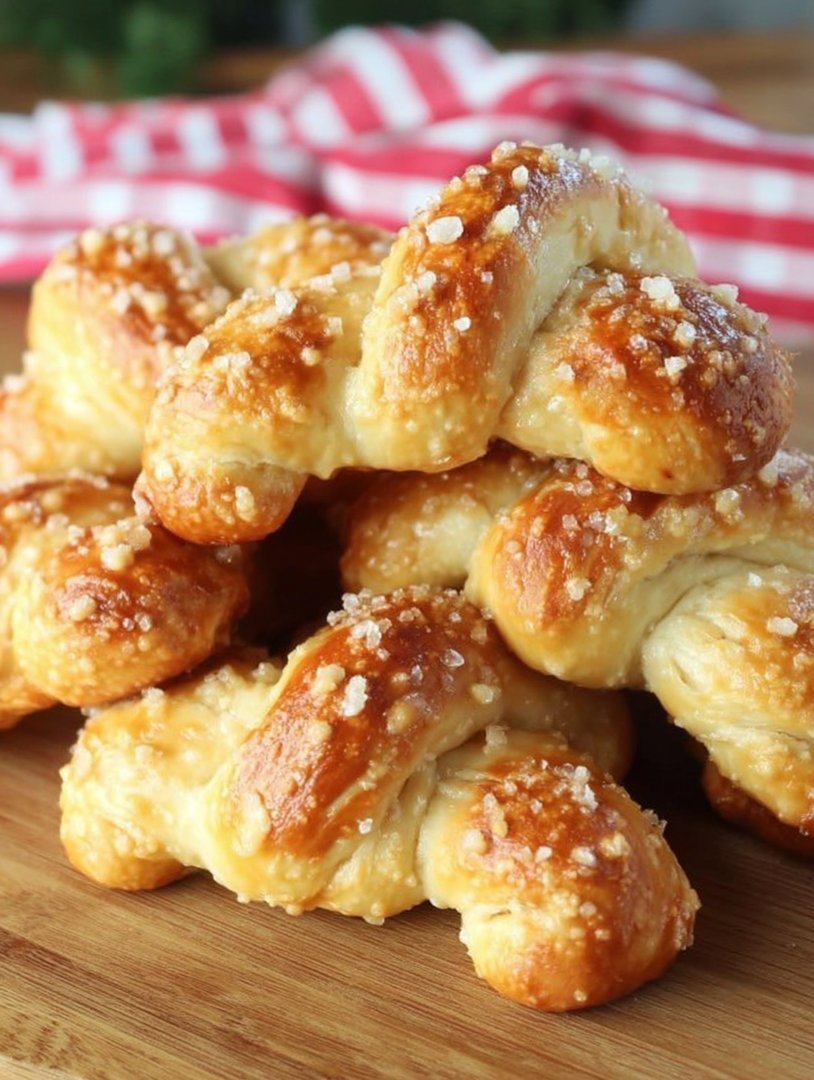
My kitchen was once a battlefield of yeast and gluten, resulting mostly in bricks. Then, one rainy afternoon, trying to recreate a forgotten street fair treat, I stumbled upon this recipe forsoft pretzel knots. The first warm, salty bite was pure, unexpected comfort—a delicious, doughy hug that instantly turned the gloomy day around.
Perfecting the Cooking Process
The secret to these fluffy, chewy delights is timing. Start by mixing the dough, letting it proof thoroughly until doubled. While the knots rest after shaping, prepare the baking soda bath and preheat the oven. The quick dip in the bath immediately followed by baking ensures that signature golden-brown color and soft interior texture.
Add Your Touch
Feel free to experiment beyond coarse salt. Swap melted butter for garlic butter, or dust the warm pretzels with cinnamon-sugar mix for a sweet twist. For a savory alternative, sprinkle everything-bagel seasoning before baking. You can also mix cheddar cheese powder into the dough for an extra flavor boost.
Storing & Reheating
Store leftoversoft pretzel knotsin an airtight container at room temperature for up to two days. To reheat, wrap them loosely in foil and warm them in a 300°F oven for five to seven minutes. They regain their delightful softness this way, tasting almost as good as fresh out of the oven.
The Quest for the Ultimate Chewy Texture
Let’s be honest, store-bought pretzels are often sad, pale imitations of the real thing. They lack that glorious, deep mahogany hue and the perfect balance of chewy interior and slightly crispy crust. We aren’t just baking bread here; we are performing kitchen alchemy. My initial attempts at making pretzels were legendary failures, producing dense hockey pucks suitable only for structural supports. I realized that the true magic lies not just in the kneading, but in the crucial water bath that sets these treats apart.
The Science Behind the Bath Bombs (For Pretzels)
If you skip the baking soda bath, you just have oddly shaped rolls. The alkaline bath is what changes the pH level on the dough’s surface, accelerating the Maillard reaction during baking. This is the chemical tango that gives pretzels their distinctive color and flavor. You need about 1/2 cup of baking soda dissolved into 8-10 cups of boiling water. Please be careful when boiling this mixture; it tends to foam up enthusiastically. It’s like giving your dough a very quick, hot, salty spa treatment—about 30 seconds per side is all it needs before hitting the oven.
The Simple Ingredients That Bring the Dough to Life
The beauty of homemade soft pretzels is the simplicity of the ingredient list. You need standard bread components: flour, yeast, warm water, and a touch of sugar or malt extract to feed the yeast. I prefer using bread flour because its higher protein content develops a better gluten structure, resulting in those wonderfully chewy knots we crave. However, all-purpose flour works perfectly well if you’re in a pinch. Remember, the dough should be slightly sticky initially, but it should pull away cleanly from the sides of the bowl after proper kneading.
Kneading is a critical step. If you under-knead, your pretzels will be crumbly and dense. If you over-knead, they can become tough. Aim for that sweet spot where the dough is smooth, elastic, and bounces back slowly when you gently poke it. This elasticity ensures the knots maintain their shape during the rise and the subsequent boiling process.
Mastering the Art of the Knot
Shaping these treats into proper knots is often where the fun, or the frustration, begins. If you are aiming for perfect symmetry, prepare for disappointment; part of the charm of homemade baking is the slight variation in shape and size. Think of them as individual works of abstract art. The goal is to create ropes of dough roughly 12 to 14 inches long and about one inch thick. They don’t need to be ruler-straight, but consistent thickness helps ensure even baking throughout the batch.
A Step-by-Step Guide to Knotting
Once you have your dough ropes, place them on your counter. Cross the ends over each other to form an ‘X’. Twist the ends once, bringing them back down towards the base of the loop. Gently press the ends onto the bottom edge of the dough loop to seal the knot. Don’t worry if it looks slightly messy; the baking soda bath and the oven heat will smooth out most imperfections, turning your humble dough rope into a stunning, twisted masterpiece. Make sure to space them generously on the parchment-lined baking sheet, as they will puff up quite a bit.
The Secret to the Signature Topping
After the bath, immediately place the knots on the prepared baking sheet. Before they go into the oven, you must address the topping situation. Many people brush them with an egg wash, which is helpful for browning, but the true key to that iconic salty crunch is coarse pretzel salt applied directly after the wash. If you don’t have coarse salt, a flaked sea salt can work in a pinch, but avoid standard table salt—it will just dissolve into the dough during baking, leaving you with a strangely salty, but un-crunchy, surface. For those who prefer a sweet profile, brushing with melted butter and coating in cinnamon sugar after baking is a total game-changer.
Recipe Card: Soft Pretzel Knots
Ingredients for the Dough
- 1 1/2 cups warm water (105-115°F)
- 1 tablespoon granulated sugar or barley malt syrup
- 2 1/4 teaspoons active dry yeast (one standard packet)
- 4 1/2 cups bread flour (or all-purpose flour)
- 2 teaspoons fine salt
- 4 tablespoons unsalted butter, melted
Ingredients for the Bath and Topping
- 8 cups water
- 1/2 cup baking soda
- 1 large egg, beaten with 1 tablespoon water (for egg wash)
- Coarse pretzel salt, for sprinkling
- 4 tablespoons unsalted butter, melted (for brushing after baking)
Instructions
- Activate the Yeast:In the bowl of a stand mixer, combine the warm water, sugar (or malt syrup), and yeast. Let it sit for 5 to 10 minutes until foamy.
- Mix the Dough:Add the flour, fine salt, and melted butter to the yeast mixture. Mix on low speed using a dough hook until the ingredients are just combined. Increase speed to medium-low and knead for 5 to 7 minutes until the dough is smooth and elastic.
- First Proof:Transfer the dough to a lightly oiled bowl, turning to coat. Cover tightly with plastic wrap and let rise in a warm place for 1 to 1.5 hours, or until doubled in size.
- Prepare the Knots:Punch down the dough and divide it into 12 equal pieces. Roll each piece into a 12-to-14-inch rope. Shape the ropes into knots (forming an ‘X’, twisting the ends, and pressing them down). Place the formed knots onto a parchment-lined baking sheet.
- The Bath:Preheat oven to 425°F (220°C). Bring 8 cups of water and 1/2 cup of baking soda to a rolling boil in a large, wide pot. Working in batches of 3 or 4, carefully drop the knots into the boiling bath for 30 seconds per side. Use a slotted spoon to remove them, allowing excess water to drain.
- Bake:Return the bathed knots to the parchment-lined baking sheet. Brush them liberally with the egg wash and immediately sprinkle with coarse salt. Bake for 12 to 15 minutes, or until deep golden brown.
- Finish:Immediately upon removing them from the oven, brush the hotsoft pretzel knotswith the remaining melted butter. Serve warm with your favorite dipping sauces, like spicy mustard or creamy cheese sauce.
Insider Tips for Perfect Soft Pretzel Knots
- Ensure the water temperature is perfect for activating the yeast; if the water is too hot, you risk killing the yeast entirely, resulting in dense knots.
- Do not skip the short cooling period after the boil. This brief rest helps the exterior stabilize before brushing, preventing the egg wash from running off.
- If your kitchen is cold, warm your oven slightly (150°F), turn it off, and place the covered dough bowl inside to help ensure a quick and successful proofing time.
I once served these chewy knots at a family gathering and my usually reserved cousin, who typically only eats health food, devoured four, claiming they were the highlight of the decade. That is the highest praise a baker can receive.
Conclusion for Soft Pretzel Knots
Embracing the process of making homemade soft pretzel knots transforms a simple dough into a culinary triumph. Remember the importance of the baking soda bath for that signature color and texture, and don’t rush the kneading or proofing stages—patience yields perfection. Whether you decide to stick with traditional coarse salt or venture into cinnamon sugar territory, these pretzels are guaranteed to become a household favorite. They are comforting, satisfying, and infinitely better than anything you can grab pre-made. Go ahead, get your hands sticky, and prepare to enjoy the most delicious, fluffy, chewy knots you’ve ever tasted.
Print
Soft Pretzel Knots
Master the perfect, pillowy Soft Pretzel Knots! Simple ingredients (yeast, sugar, salt) activate in warm water, delivering a smooth, elastic dough after kneading.
- Total Time: 35 minutes
- Yield: 4 servings 1x
Ingredients
- 1 1/4 cups warm water (105-115°F)
- 1 packet (2 1/4 teaspoons) active dry yeast
- 1 tablespoon granulated sugar
- 3 cups all-purpose flour, plus more for dusting
- 1 teaspoon kosher salt (for the dough)
- 1/2 cup baking soda (for the water bath)
- 2 tablespoons unsalted butter, melted, and coarse pretzel salt
Instructions
- Step 1: In a large bowl, combine the warm water, yeast, and sugar. Let stand for 5 minutes until foamy. Add the flour and 1 teaspoon of kosher salt, mixing until a shaggy dough forms. Turn the dough out onto a lightly floured surface and knead for 5-7 minutes until smooth and elastic.
- Step 2: Place the dough in a lightly oiled bowl, cover, and let rise in a warm place for 60-90 minutes, or until doubled in size. Preheat your oven to 425°F (220°C) and line two baking sheets with parchment paper.
- Step 3: Punch down the risen dough and divide it into 12 equal pieces. Roll each piece into a 12-15 inch long rope, then tie the rope into a simple knot. Arrange the knots on the prepared baking sheets.
- Step 4: Bring 8 cups of water and the 1/2 cup of baking soda to a rolling boil in a large pot. Carefully drop 3-4 pretzel knots into the boiling solution for exactly 30 seconds. Remove immediately with a slotted spoon and place back onto the parchment-lined sheets.
- Step 5: Immediately sprinkle the boiled knots liberally with coarse pretzel salt. Bake for 12-15 minutes until they are puffed and deep golden brown. Upon removing them from the oven, brush the hot knots with the melted butter and serve warm.
Notes
- Day-old knots can be wonderfully revived by lightly misting them with water and popping them into a 350°F oven for just 5 minutes until warmed through.
- Pay close attention to the 30-second baking soda bath; this critical step is what gives the pretzels their deep color, signature flavor, and essential chewy crust—don't over-boil!
- To preserve the soft texture long-term, store completely cooled pretzels in a freezer-safe bag and reheat from frozen when ready to eat.
- While delicious plain, try serving these warm knots with a side of sharp vegetable stock cheese dip or a blend of honey mustard and a touch of horseradish for a savory kick.
- Prep Time: 15 minutes
- Cook Time: 20 minutes
- Method: Stovetop
- Cuisine: American



Leave a Comment